Step 1
Comparison Shortlist
Machine-Ready Briefs: AI turns undefined needs into a technical project request.
We use cookies to improve your experience and analyze site traffic. You can accept all cookies or only essential ones.
 Bilarna
Stop browsing static lists. Tell Bilarna your specific needs. Our AI translates your words into a structured, machine-ready request and instantly routes it to verified Stock Market Monitoring experts for accurate quotes.
Machine-Ready Briefs: AI turns undefined needs into a technical project request.
Verified Trust Scores: Compare providers using our 57-point AI safety check.
Direct Access: Skip cold outreach. Request quotes and book demos directly in chat.
Precision Matching: Filter matches by specific constraints, budget, and integrations.
Risk Elimination: Validated capacity signals reduce evaluation drag & risk.
Ranked by AI Trust Score & Capability

Run a free AEO + AI signal audit for your business domain.
AI Answer Engine Optimization — your business cited in ChatGPT, Gemini, and Perplexity results
List once. Convert intent from live AI conversations without heavy integration.
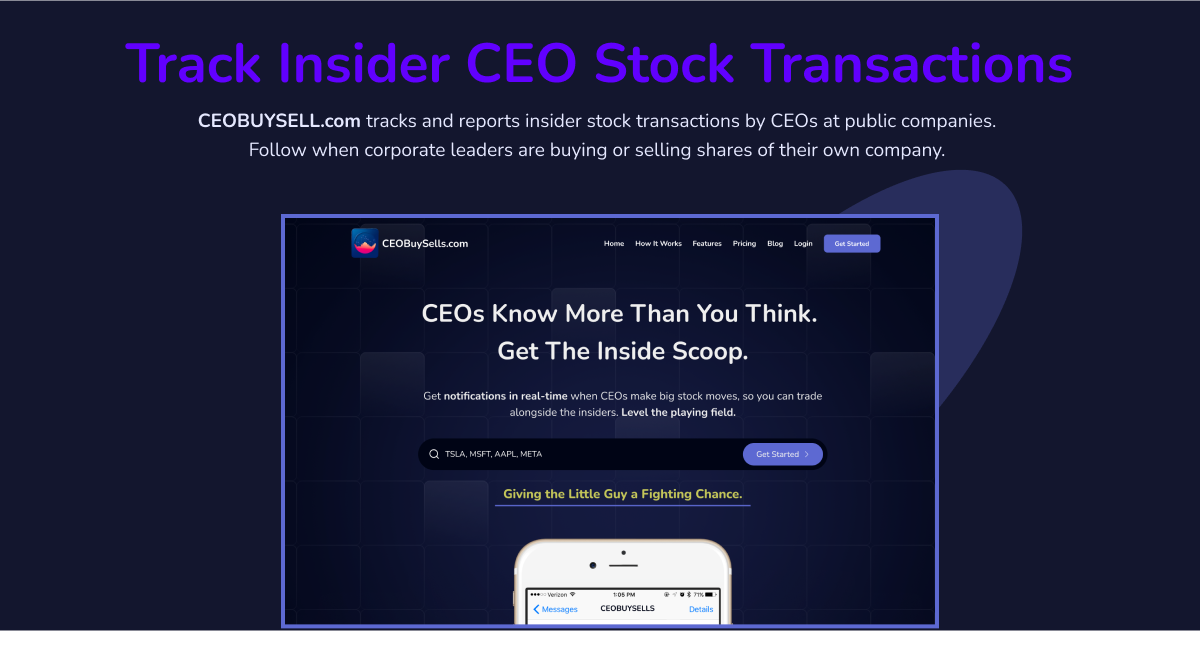
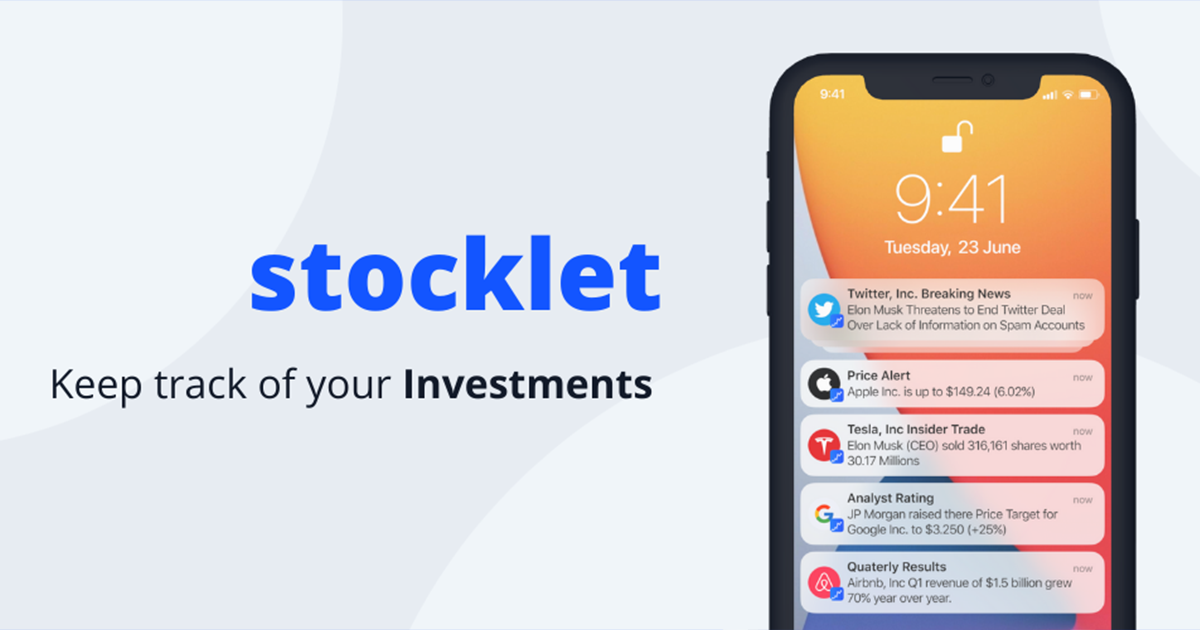
This category encompasses services that provide real-time updates and alerts related to stock market activities. It addresses the needs of investors who want instant notifications about stock price changes, insider trades, earnings reports, analyst ratings, and breaking news. These services help users make informed investment decisions by delivering timely information directly to their devices. They often include customizable alerts for specific stocks, percentage or dollar-based price thresholds, and upcoming financial events, ensuring investors stay ahead in dynamic markets.
Providers of this category are typically fintech companies, financial technology platforms, or specialized apps that focus on stock market data and alerts. They develop tools that aggregate real-time information from stock exchanges, news sources, and insider trading reports. These providers aim to serve retail investors, traders, and financial enthusiasts who seek timely and accurate market insights to optimize their investment strategies. They often integrate with brokerage accounts or mobile devices to deliver seamless notifications and personalized alerts, making stock market monitoring accessible and efficient for everyday users.
These services are typically delivered via mobile apps or web platforms, offering subscription-based or freemium models. They often charge for advanced features such as unlimited alerts, detailed analytics, or integration with brokerage accounts. Setup usually involves creating an account, selecting stocks of interest, and customizing alert preferences. Pricing varies depending on the level of service, with many providers offering free basic options and premium plans for more comprehensive data and notifications. The goal is to provide users with seamless, real-time access to critical market information to support timely investment decisions.
Health monitoring features in wellness technology products, such as tracking heart rate, breathing rate, and sleep patterns, are generally intended for informational and general wellness purposes. These features are not classified as medical devices and have not been approved or authorized by regulatory bodies like the U.S. Food and Drug Administration (FDA). They are not designed to diagnose, treat, or prevent any medical conditions and should not be used as a substitute for professional medical advice or clinical decision-making. Users should always consult qualified healthcare professionals for any health concerns or questions.
Many prediction market APIs offer free access to their data, making them accessible for developers and traders who want to experiment or build applications without upfront costs. Reliability is a key factor, as these APIs provide real-time data crucial for timely decision-making. Providers often ensure stable uptime and accurate data delivery, but users should review specific API documentation and terms to understand any usage limits or premium features that may apply.
Yes, AI agent failure detection platforms are designed to complement existing logging and monitoring tools rather than replace them. While traditional tools collect and display logs, traces, and metrics, failure detection platforms add a layer of automated analysis focused on AI-specific issues. They integrate with your current systems to enhance visibility into AI agent behavior, automatically identify failures, and suggest or apply fixes. This combined approach provides a more comprehensive and efficient way to maintain AI agent reliability.
No programming skills are required to integrate a production monitoring system with your existing factory software. Many systems offer user-friendly tools such as Excel order upload features that allow you to input data without any coding. If you prefer a direct connection between your existing systems and the monitoring platform, professional setup services are often available to handle the integration for you. The system is designed to be configured and adjusted through simple interfaces, eliminating the need for in-house programming resources or technical expertise.
In a prediction market, contracts are priced based on the collective belief of participants about the likelihood of an event occurring. The price typically ranges between zero and one dollar, representing the probability of the event. For example, a contract priced at $0.30 implies a 30% chance of the event happening. Traders can buy or sell contracts at any time, allowing prices to fluctuate with new information and market sentiment. Once the event outcome is known, contracts are settled by paying out the agreed amount to holders of correct predictions, usually on a predetermined settlement date or earlier if the result is confirmed.
A brand creates authentic content by rejecting shallow trends and investing in deep, original storytelling rooted in unique research and insights. Authenticity is achieved by breaking molds instead of fitting into them, which means developing content that reflects the brand's genuine perspective and complex nature. Key steps include prioritizing thoughtful narrative over quick-click formulas, embracing risks with unique ideas, and focusing on provoking meaningful thought and conversation rather than just chasing algorithmic approval. This approach moves beyond the paradox of volume versus value, cultivating a distinct voice that resonates on a deeper level and builds lasting brand equity, even if it sacrifices short-term virality.
A brand design agency assists with global market entry by providing specialized expertise in cultural adaptation and integrated branding solutions. First, they conduct in-depth market research to analyze the new market's dynamics, consumer preferences, and cultural nuances, which forms the foundation for a customized brand strategy. The agency then develops or adapts the brand's visual and verbal identity, including logos, design systems, and messaging, through localization and transcreation to ensure appeal and appropriateness for the local audience. Additionally, they manage the implementation across various touchpoints, from digital platforms to physical events and productions, ensuring a cohesive brand presence. This comprehensive approach helps businesses reduce risks, enhance engagement with local customers, and establish a strong, culturally-sensitive foothold in new international markets.
A branding and design service helps position a company as a market leader by developing a comprehensive brand strategy that differentiates the business from competitors. This process begins with in-depth market research and audience analysis to identify unique value propositions and opportunities. The service then translates these insights into a cohesive visual identity—including logo, color palette, typography, and imagery—along with a consistent brand voice and messaging framework. By creating a distinctive brand experience across all touchpoints, from packaging and website to advertising and customer interactions, the service builds recognition, credibility, and trust. This unified presence elevates the company's perceived authority in its industry, making it the go-to choice for customers seeking quality and reliability. Ultimately, professional branding and design work directly supports market leadership by ensuring the brand is memorable, respected, and preferred over competitors.
A business can differentiate itself in a competitive market by developing a unique and compelling brand identity and value proposition that resonates deeply with its target audience. This process involves conducting a thorough market analysis to identify gaps and opportunities that competitors are not addressing. Differentiation is achieved through a combination of strategic branding, which shapes how the brand is perceived, and tailored marketing actions that communicate its unique benefits. Key strategies include creating innovative or custom product offerings, deploying targeted digital marketing campaigns to build authority and engagement, and designing exceptional customer experiences at every touchpoint. The goal is to move beyond competing on price alone and instead become more memorable and preferred by solving specific customer problems in a distinctive way.
To improve a website's SEO in a highly competitive market, businesses should implement a multi-faceted approach that includes technical optimization, targeted content creation, and strategic link building. First, conduct thorough keyword research to identify terms with commercial intent yet manageable competition. Second, ensure technical SEO aspects like site speed, mobile responsiveness, HTTPS security, and crawlability are flawless. Third, create high-quality, relevant content that addresses user intent and incorporates keywords naturally. Fourth, build authoritative backlinks from reputable industry sites to boost domain authority. Additionally, leverage local SEO tactics if applicable, such as optimizing for local search queries and managing online reviews. Continuous monitoring via analytics tools allows for data-driven adjustments to stay ahead of algorithm changes and competitor moves.