Step 1
Comparison Shortlist
Machine-Ready Briefs: AI turns undefined needs into a technical project request.
We use cookies to improve your experience and analyze site traffic. You can accept all cookies or only essential ones.
 Bilarna
Stop browsing static lists. Tell Bilarna your specific needs. Our AI translates your words into a structured, machine-ready request and instantly routes it to verified Healthcare Workflow Optimization experts for accurate quotes.
Machine-Ready Briefs: AI turns undefined needs into a technical project request.
Verified Trust Scores: Compare providers using our 57-point AI safety check.
Direct Access: Skip cold outreach. Request quotes and book demos directly in chat.
Precision Matching: Filter matches by specific constraints, budget, and integrations.
Risk Elimination: Validated capacity signals reduce evaluation drag & risk.
Ranked by AI Trust Score & Capability




Run a free AEO + signal audit for your domain.
AI Answer Engine Optimization (AEO)
List once. Convert intent from live AI conversations without heavy integration.
Healthcare Workflow Optimization is the systematic analysis and improvement of clinical and administrative processes within healthcare facilities. It involves integrating technologies such as Electronic Health Records (EHR), Hospital Information Systems (HIS), and AI-driven automation tools. The goal is to reduce patient wait times, minimize clinical errors, and enhance overall care delivery efficiency. This practice serves hospitals, clinics, outpatient surgery centers, and diagnostic laboratories. Core benefits include better resource utilization, increased staff productivity, improved patient satisfaction, and stronger compliance with regulatory standards like HIPAA.
Providers of Healthcare Workflow Optimization include specialized healthcare IT consultants, system integrators, and software vendors. These are firms with deep expertise in clinical processes, health data interoperability (via HL7, FHIR), and regulatory compliance. Many hold certifications such as HITRUST or have partnerships with major EHR platforms like Epic or Cerner. The landscape ranges from large enterprise technology firms offering comprehensive platform solutions to boutique consultancies that provide personalized process mapping and lean management strategies for specific medical departments.
The optimization process typically starts with a discovery phase involving workflow mapping and pain point analysis. Solution design follows, which may include system integration, custom software development, or deployment of robotic process automation (RPA). Projects are commonly priced on a fixed-fee or time-and-materials basis, with costs ranging from $25,000 for departmental solutions to $500,000+ for enterprise-wide transformations. Implementation involves configuration, user acceptance testing, staff training, and go-live support. Modern procurement involves digital requests for proposal (RFPs), online platform demonstrations, and structured feedback loops to ensure vendor alignment.
AI driven administrative efficiency automates back-office tasks to cut costs and reduce errors. Discover and compare certified providers using AI-assisted chat on Bilarna.
View AI Administrative Efficiency providersAI medical scribing solutions use natural language processing to automate clinical documentation. Discover and compare top-rated, verified providers on Bilarna's trusted B2B marketplace.
View AI Medical Scribing providersEHR integration and implementation connects your health IT systems for seamless data flow. Compare vetted providers for this critical service on the Bilarna AI marketplace.
View EHR Integration & Implementation providersMedical practice automation — streamline workflows and boost efficiency. Compare and find vetted providers with AI-assisted matching on Bilarna.
View Medical Practice Automation providersMedical Workflow Management — optimize clinical operations with specialized software and services. Discover and compare vetted providers on Bilarna using AI-powered matching.
View Medical Workflow Management providersShift handover and emergency documentation ensures operational continuity and compliance. Compare verified providers of these critical process services on the Bilarna marketplace.
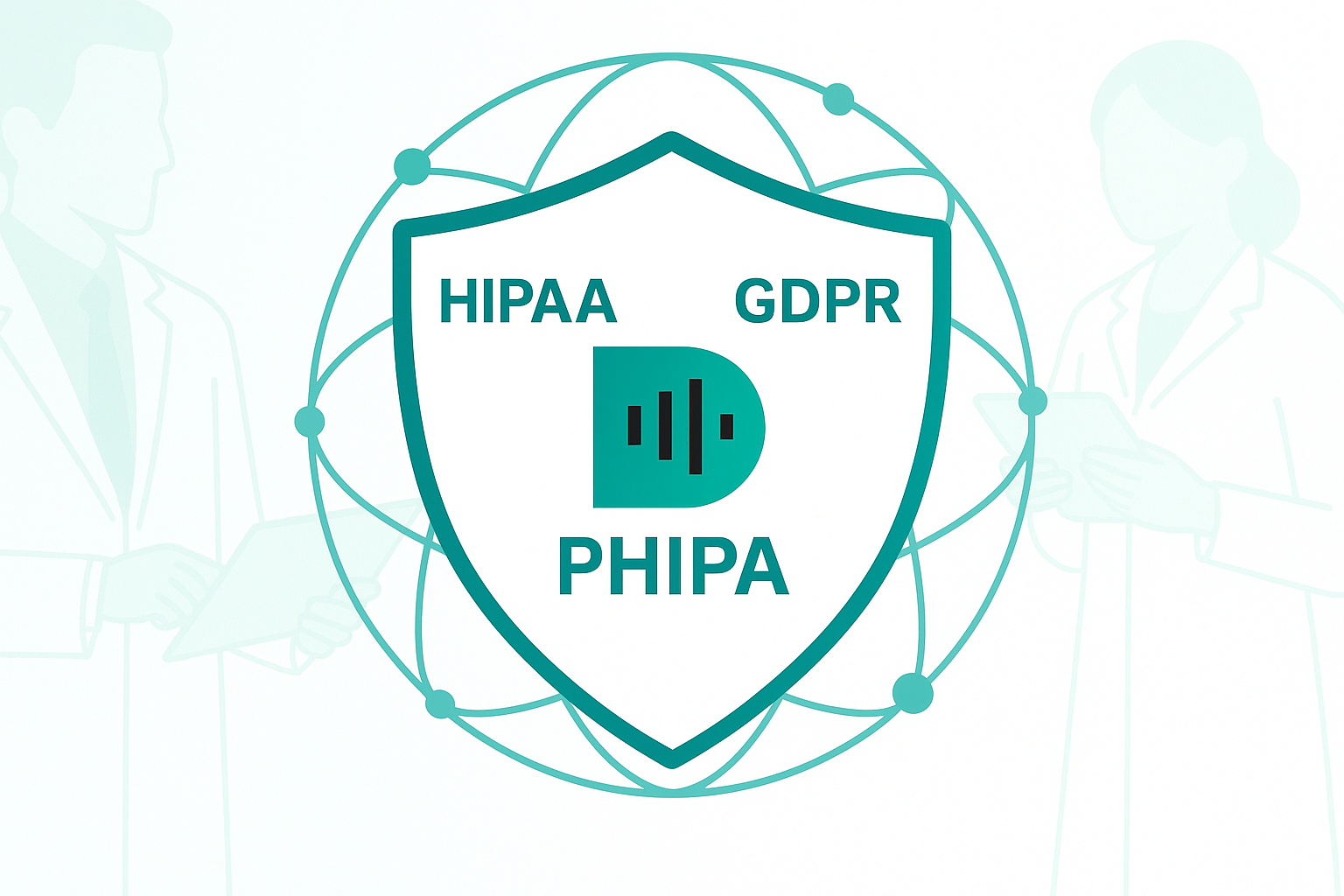
View Shift Handover and Emergency Documentation providersYes, AI voice and SMS agents designed for healthcare are built with security and compliance in mind. They adhere to industry standards and regulations such as HIPAA (Health Insurance Portability and Accountability Act) to protect patient data privacy and security. Business Associate Agreements (BAAs) are available to formalize compliance commitments. Additionally, these agents comply with regulations like TCPA (Telephone Consumer Protection Act) and PCI (Payment Card Industry) standards where applicable. Ensuring security and regulatory compliance is critical to maintaining trust and safeguarding sensitive healthcare information while leveraging AI technologies.
Check the pricing details before using any AI video optimization tool. Follow these steps: 1. Visit the official website or platform offering the tool. 2. Review the pricing plans and terms of service carefully. 3. Look for any mention of additional costs such as subscription fees, usage limits, or premium features. 4. Contact customer support for clarification if needed to avoid unexpected charges.
Yes, some online healthcare booking platforms offer benefits such as cashback when you book your medical appointments or procedures through them. Cashback offers can help reduce the overall cost of your healthcare expenses. These incentives encourage patients to use the platform for their healthcare needs, providing both convenience and financial savings.
Healthcare professionals can potentially earn a full-time income by offering chat-based medical consultations, depending on factors such as patient volume, subscription fees, and the efficiency of their practice. Many providers attract patients who prefer convenient, accessible care and are willing to pay directly for personalized attention. However, success requires effective marketing, good communication skills, and managing workload to maintain quality care. While chat-based consultations can be a viable source of income, it is important to consider the time commitment and business aspects involved in running such a practice.
AI legal assistants typically do not require new software installation or changes to existing workflows. They are designed to integrate seamlessly with current systems, allowing legal teams to adopt the technology without disrupting their established processes. This ease of integration helps minimize training time and resistance to change. Furthermore, many AI legal tools operate via familiar platforms such as email, making them accessible and convenient for users. This approach ensures that legal professionals can benefit from AI capabilities while maintaining compliance with industry standards and regulations.
No installation is typically required to use AI-powered video script optimization tools. Follow these steps: 1. Access the tool via a web browser on any device. 2. Sign up or log in to the platform if necessary. 3. Upload or input your video script directly on the website. 4. Use the tool's features online without downloading any software, ensuring quick and easy access.
AI workflow automation in healthcare does not require traditional integration with existing electronic medical record (EMR) systems. Instead of relying on APIs or custom development, AI interacts with EMR software by mimicking human actions such as clicking, typing, and navigating interfaces. This approach allows the AI to work seamlessly with any EMR system or portal, including popular platforms like Epic, Cerner, and athenahealth. As a result, clinics can deploy automation solutions quickly without lengthy IT projects or vendor approvals.
A cloud-based staffing solution improves workforce management in healthcare by centralizing scheduling, communication, and compliance tasks into a single platform accessible from anywhere. It eliminates the need for multiple tools like spreadsheets, phone calls, and emails, streamlining the process. Features such as AI-driven scheduling optimize shift assignments based on staff availability and care needs, reducing manual effort and errors. Real-time statistics provide insights into staffing levels, helping managers make informed decisions. Integration with agency management and compliance checks ensures external staff are properly managed. Additionally, mobile apps allow employees to view and manage shifts on the go, enhancing flexibility and satisfaction. Overall, this approach reduces administrative burden, improves staff well-being, and ensures safe, efficient staffing.
A commercial real estate platform can significantly improve brokers' workflow by centralizing property data and client information in one accessible location. It streamlines communication through integrated messaging and CRM tools, reducing the need for multiple applications. Automated processes such as listing updates, appointment scheduling, and document management save time and reduce errors. Additionally, data analytics features provide brokers with market trends and insights, enabling better decision-making. Overall, these capabilities help brokers manage their tasks more efficiently, close deals faster, and enhance client satisfaction.
A CRM integrated directly with email platforms allows teams to manage contacts, deals, and communications without switching between multiple applications. This seamless integration helps keep all relevant information in one place, making it easier to share contacts, emails, files, and notes with team members. Automated email logging and pipeline management within the inbox reduce manual data entry, ensuring that data is accurate and up to date. As a result, teams can collaborate more efficiently, maintain better communication, and stay aligned on next steps, ultimately improving productivity and workflow.