Step 1
Machine-Ready Briefs
AI translates unstructured needs into a technical, machine-ready project request.
We use cookies to improve your experience and analyze site traffic. You can accept all cookies or only essential ones.
 Bilarna
Stop browsing static lists. Tell Bilarna your specific needs. Our AI translates your words into a structured, machine-ready request and instantly routes it to verified Vehicle Safety Technology experts for accurate quotes.
AI translates unstructured needs into a technical, machine-ready project request.
Compare providers using verified AI Trust Scores & structured capability data.
Skip the cold outreach. Request quotes, book demos, and negotiate directly in chat.
Filter results by specific constraints, budget limits, and integration requirements.
Eliminate risk with our 57-point AI safety check on every provider.
Verified companies you can talk to directly
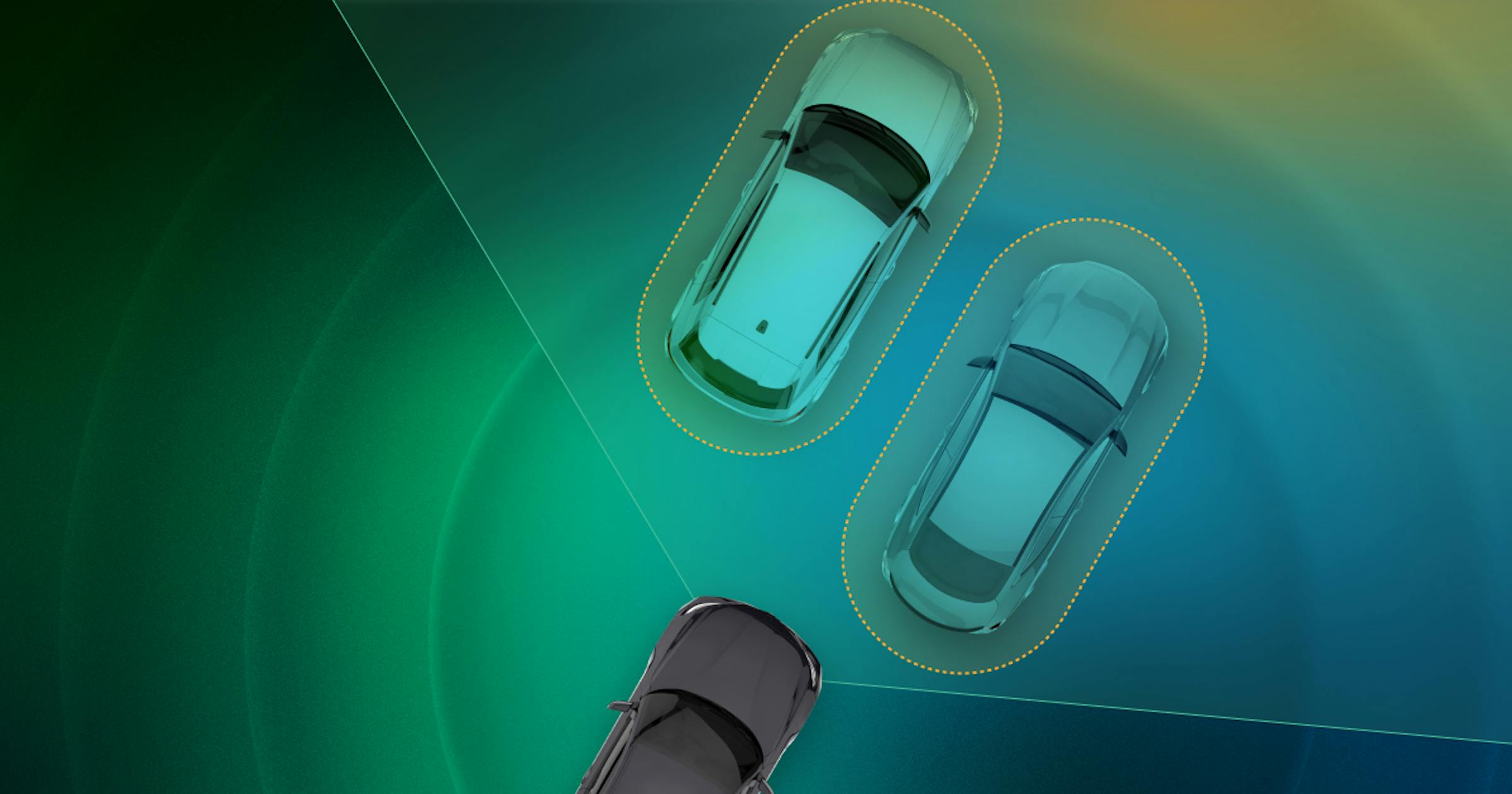
Zendar's distributed aperture radar system, paired with AI-powered signal processing, delivers unprecedented precision for next-gen ADAS perception, without the prohibitive cost. By making high-performance radar more accessible, Zendar enables OEMs to equip more vehicles with the safety features of
Run a free AEO + signal audit for your domain.
AI Answer Engine Optimization (AEO)
List once. Convert intent from live AI conversations without heavy integration.
Schedule a virtual vehicle inspection by using the online form provided. 1. Choose a convenient time and enter your vehicle details. 2. For fleets, bulk-schedule inspections for multiple vehicles and drivers. 3. At the scheduled time, join the video call on your phone using the provided link. 4. Follow the inspector's guidance through the inspection steps. 5. Receive a digitally signed inspection report by email instantly after completion.
Real-time reinforcement learning enhances autonomous vehicle safety by enabling the vehicle to continuously learn from its current environment rather than relying solely on pre-collected training data. This approach allows the vehicle to generate relevant training examples every 200 milliseconds, effectively simulating countless driving scenarios on-board. As a result, the vehicle can anticipate and react to unexpected situations more effectively than traditional rule-based systems. This continuous learning process ensures safer, more predictable vehicle behavior, improving overall safety for riders and other road users.
Deploying autonomous vehicle technology in ride-sharing services presents several challenges and considerations. Safety is paramount; autonomous vehicles must achieve near-perfect reliability to be viable, as even a small failure rate can have serious consequences. Current technology, while impressive, still falls short of the 100% safety threshold required for widespread adoption. Regulatory approval also requires extensive safety data and testing, which can take significant time. Additionally, the scale of deployment is a factor; pilot programs with limited fleets may not reflect the challenges of operating thousands of autonomous vehicles in diverse urban environments. Competition and innovation pace are also considerations, as companies race to develop and launch new features that can provide competitive advantages. Finally, consumer trust and acceptance remain critical, as users must feel confident in the safety and reliability of autonomous ride-sharing options.
Fleet operators can benefit from AI cruise control technology by reducing fuel consumption and lowering operational costs while meeting sustainability goals. The technology enhances driver comfort and safety without altering existing vehicle safety systems, ensuring compliance with regulations. Vehicle manufacturers can integrate AI cruise control to offer more efficient and environmentally friendly vehicles, improving their product competitiveness. The plug-and-play design allows for quick installation with minimal downtime, enabling immediate performance improvements and emissions reductions across fleets or new vehicle models.
Autonomous vehicle technology can address transportation gaps for cities and organizations by providing safe, accessible, and efficient mobility solutions tailored to specific transit needs. By leveraging advanced AI systems that learn and adapt in real-time, autonomous vehicles can operate reliably in diverse environments, including urban centers, campuses, and business districts. This technology helps fill service gaps where traditional transit may be limited or costly, offering scalable and equitable transportation options. Additionally, autonomous vehicles can reduce operational costs and deployment times, enabling faster implementation and broader access to sustainable transit services for communities and organizations.
Real-time AI safety systems improve maritime navigation safety by continuously monitoring and verifying critical operations on the ship's bridge. 1. They use automatic speech recognition combined with bridge context to verify helm orders as they are given, reducing miscommunication. 2. They integrate speech emotion recognition to detect vocal stress and cognitive overload, providing early advisories. 3. They monitor fatigue and distraction through video analytics and eye-tracking to alert officers before alertness drops. 4. They enhance training precision in simulators by providing real-time feedback. These steps collectively reduce human error and enhance operational safety during critical navigation phases.
Technology enhances safety and accountability in law enforcement by providing tools that increase transparency and reduce risks. Body-worn cameras record interactions between officers and the public, creating objective evidence that can be reviewed. Real-time communication systems allow for faster response and better coordination during emergencies. Automated systems reduce human error and bias in data collection and analysis. Overall, these technologies help build public trust by ensuring that police actions are documented and that officers operate within established guidelines.
Autonomous driving technology enhances road safety by reducing human error, which is a leading cause of accidents. It uses sensors, cameras, and radar to continuously monitor the vehicle's surroundings, enabling it to react faster than a human driver to potential hazards. Features like adaptive cruise control maintain safe distances and adjust speed automatically, helping to prevent collisions. By automating certain driving tasks, this technology also reduces driver fatigue and distraction, contributing to safer driving conditions overall.
Technology enhances driver safety and risk monitoring on construction sites by providing in-cab visual and audio alerts for unsafe driving behaviors. These alerts include warnings for following distance, forward-collision risks, and distracted or dangerous driving. By monitoring these factors in real time, the system helps reduce the risk of accidents and equipment damage. Additionally, incident footage can be used to support driver training and improve overall safety practices. This proactive approach helps create a safer work environment and minimizes downtime caused by accidents.
Technology enhances community safety and crime prevention by providing real-time monitoring, evidence collection, and faster response capabilities. Tools like license plate recognition (LPR) cameras, video surveillance, and drone deployment enable law enforcement and security teams to detect suspicious activities quickly and track suspects effectively. Integrated platforms allow for seamless collaboration between neighborhoods, businesses, schools, and police, ensuring timely alerts and coordinated actions. This connected approach helps reduce crime rates, supports investigations with concrete evidence, and improves overall public safety.