Step 1
Comparison Shortlist
Machine-Ready Briefs: AI turns undefined needs into a technical project request.
We use cookies to improve your experience and analyze site traffic. You can accept all cookies or only essential ones.
 Bilarna
Stop browsing static lists. Tell Bilarna your specific needs. Our AI translates your words into a structured, machine-ready request and instantly routes it to verified Advanced Driver Assistance Systems (ADAS) experts for accurate quotes.
Machine-Ready Briefs: AI turns undefined needs into a technical project request.
Verified Trust Scores: Compare providers using our 57-point AI safety check.
Direct Access: Skip cold outreach. Request quotes and book demos directly in chat.
Precision Matching: Filter matches by specific constraints, budget, and integrations.
Risk Elimination: Validated capacity signals reduce evaluation drag & risk.
Ranked by AI Trust Score & Capability
Run a free AEO + signal audit for your domain.
AI Answer Engine Optimization (AEO)
List once. Convert intent from live AI conversations without heavy integration.
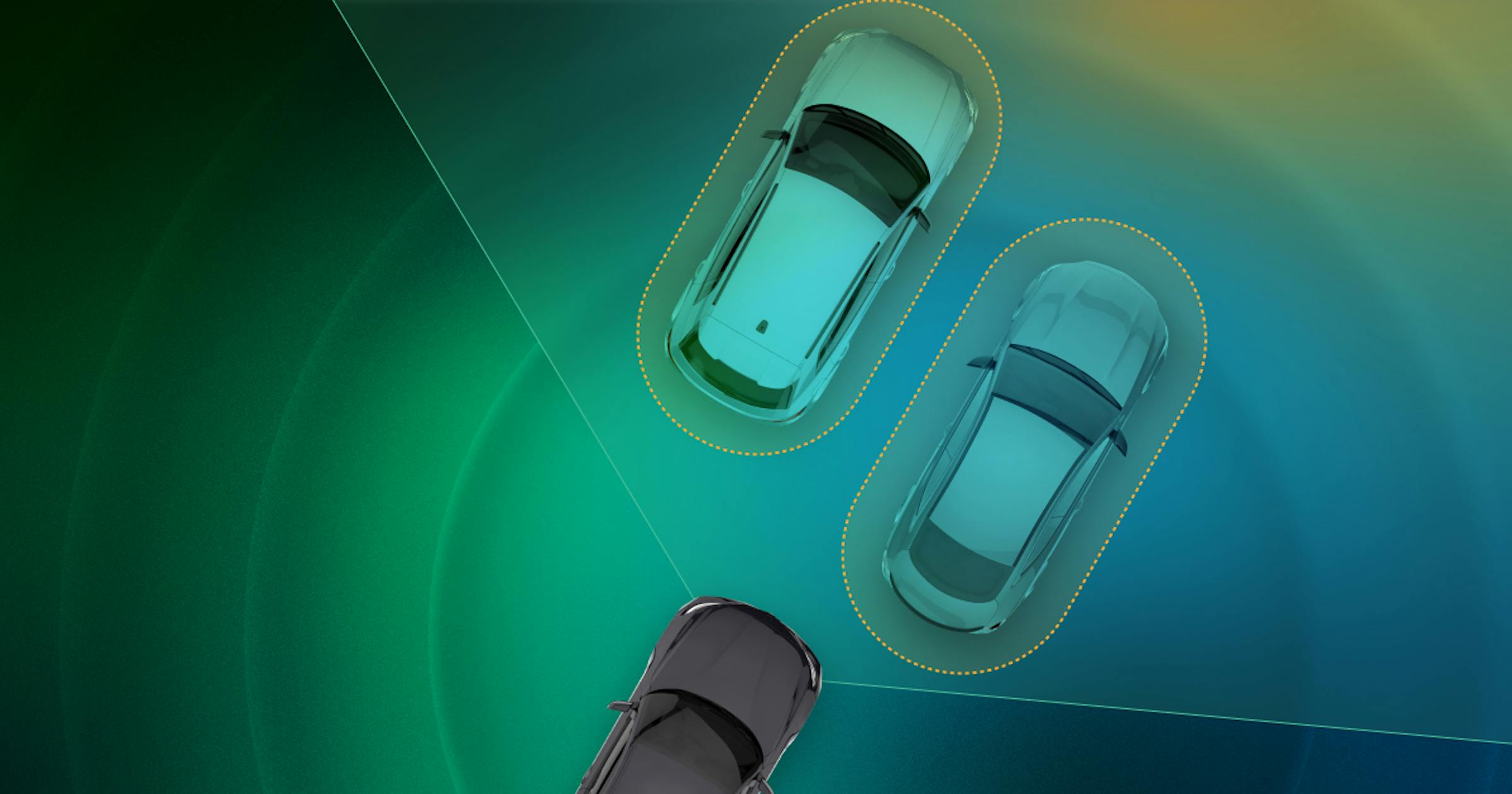
This category encompasses advanced vehicle safety features that utilize radar, AI, and sensor fusion to enhance driving safety. These solutions aim to detect hazards, recognize pedestrians and other vehicles, and provide real-time alerts or automated responses to prevent accidents. By integrating high-resolution radar and perception software, these systems improve vehicle awareness and decision-making, contributing to safer roads and reduced collision risks. They are designed to be cost-effective and accessible for a wide range of vehicles, supporting the future of autonomous and semi-autonomous driving.
Manufacturers of automotive and transportation technology companies develop these safety systems. They include Tier-1 suppliers, radar and sensor technology firms, and software developers specializing in perception and AI. These providers focus on creating reliable, high-performance radar hardware and intelligent perception software that can be integrated into various vehicle platforms. Their goal is to enhance vehicle safety, meet regulatory standards, and support the transition toward autonomous driving. These companies often collaborate with automakers, research institutions, and technology integrators to innovate and improve safety features continuously.
These safety systems are typically delivered through collaboration with automotive manufacturers and technology providers. Pricing varies based on the complexity and integration level, with options for OEM customization. Setup involves hardware installation, software configuration, and calibration to ensure optimal performance. Many providers offer scalable solutions suitable for different vehicle types and fleet sizes. Support and maintenance services are often included to ensure long-term reliability. As radar and perception technologies evolve, costs are expected to decrease, making advanced safety features more accessible for mass-market vehicles.
High-performance radar and perception software enable safer, reliable vehicle safety features at lower costs.
View Vehicle Safety Technology providersUpgrade your car with AI driver assistance by purchasing a compatible device and installing it. 1. Check if your car model is supported by the AI device. 2. Buy the AI upgrade product online. 3. Plug the device into your car's system. 4. Activate the AI features such as lane centering, adaptive cruise control, and dashcam recording. 5. Use over-the-air updates to keep the system current and improve functionality.
Driver monitoring systems in autonomous fleets offer several key benefits that enhance overall safety and operational efficiency. They continuously assess driver alertness, behavior, and compliance with safety protocols, detecting signs of fatigue, distraction, or impairment. This real-time monitoring allows for immediate alerts and corrective actions, reducing the likelihood of accidents. Additionally, these systems provide valuable data for fleet managers to analyze driving patterns and implement targeted training or policy adjustments. By promoting safer driving habits and ensuring regulatory compliance, driver monitoring systems contribute to lower insurance costs and improved fleet reputation.
Next-gen radar technology improves ADAS performance and safety by delivering high-resolution sensing and precise perception at a lower cost. 1. It uses distributed aperture radar (DAR) to increase radar resolution by virtually enlarging the sensor aperture. 2. AI-powered signal processing enhances detection and tracking of humans, vehicles, and hazards. 3. Low-cost sensors stream data to central or zonal computing units for coherent fusion and perception. 4. Software-defined radar continuously learns and improves over time, enhancing safety throughout the vehicle's lifetime. This approach enables more vehicles to be equipped with advanced safety features, making roads safer for everyone.
Automotive manufacturers can reduce ADAS costs while maintaining high radar performance by adopting software-defined radar solutions with distributed aperture radar technology. 1. Use low-cost, simple sensors that stream data to central or zonal computing units, reducing hardware expenses. 2. Implement AI-powered signal processing software to enhance radar resolution and perception without expensive physical components. 3. Employ coherent radar fusion to virtually enlarge the sensor aperture, achieving higher resolution with fewer sensors. 4. Utilize radar software that learns and improves over time, extending system effectiveness throughout the vehicle's life. This approach balances cost and performance, enabling wider deployment of advanced safety features.
Maintaining a driver-selected following distance allows for a personalized and safer driving experience. It ensures that the vehicle keeps a consistent space behind the car in front, reducing the risk of rear-end collisions. This distance can be adjusted based on traffic conditions and driver preference, providing flexibility and comfort. Automatic systems that manage this distance can react more quickly than humans to changes in traffic speed, improving overall traffic flow and reducing stress during driving.
Technology enhances driver safety and risk monitoring on construction sites by providing in-cab visual and audio alerts for unsafe driving behaviors. These alerts include warnings for following distance, forward-collision risks, and distracted or dangerous driving. By monitoring these factors in real time, the system helps reduce the risk of accidents and equipment damage. Additionally, incident footage can be used to support driver training and improve overall safety practices. This proactive approach helps create a safer work environment and minimizes downtime caused by accidents.
AI automation enhances the truck driver experience by streamlining communication, providing timely updates, and reducing administrative burdens. Automated systems can handle scheduling, route optimization, and real-time notifications, allowing drivers to focus more on driving safely and efficiently. Additionally, AI can assist in resolving common issues quickly by providing instant responses or escalating problems to human operators when necessary. This leads to less downtime, improved job satisfaction, and a smoother overall workflow for drivers within the logistics network.
To enhance driver and fleet safety for autonomous vehicles, various solutions focus on monitoring driver behavior, vehicle status, and environmental conditions. These include advanced driver assistance systems (ADAS), real-time data analytics, and AI-powered monitoring tools that detect fatigue, distraction, or unsafe driving practices. Fleet management platforms integrate these technologies to provide comprehensive safety oversight, enabling proactive interventions and reducing accident risks. Additionally, continuous software updates and sensor calibrations ensure autonomous fleets operate safely under diverse conditions.
Driver safety on construction sites can be enhanced through in-cab visual and audio alerts that warn of unsafe driving behaviors such as following too closely or potential forward collisions. Monitoring systems detect distracted or dangerous driving, allowing supervisors to intervene promptly. Incident footage supports driver training by providing real examples of risky behavior, helping to reduce accidents and equipment damage. These safety features contribute to a safer work environment by promoting responsible driving habits and minimizing risks associated with operating heavy machinery.
Freight brokers can ensure driver compliance and prevent fraud by implementing automated verification systems that validate driver credentials such as CDL licenses, insurance, and carrier credentials. Utilizing real-time checks with DMV and FMCSA databases helps detect non-domiciled drivers and verify team drivers. Integrating these checks into transportation management systems (TMS) allows brokers to receive instant verification statuses and fraud alerts, enabling proactive risk management. Additionally, tracking driver locations and shipment movements through electronic logging device (ELD) integrations helps prevent driver spoofing and route deviations, further enhancing compliance and security throughout the shipment process.