Step 1
Machine-Ready Briefs
AI translates unstructured needs into a technical, machine-ready project request.
We use cookies to improve your experience and analyze site traffic. You can accept all cookies or only essential ones.
 Bilarna
Stop browsing static lists. Tell Bilarna your specific needs. Our AI translates your words into a structured, machine-ready request and instantly routes it to verified Sustainable Construction Materials experts for accurate quotes.
AI translates unstructured needs into a technical, machine-ready project request.
Compare providers using verified AI Trust Scores & structured capability data.
Skip the cold outreach. Request quotes, book demos, and negotiate directly in chat.
Filter results by specific constraints, budget limits, and integration requirements.
Eliminate risk with our 57-point AI safety check on every provider.
Verified companies you can talk to directly
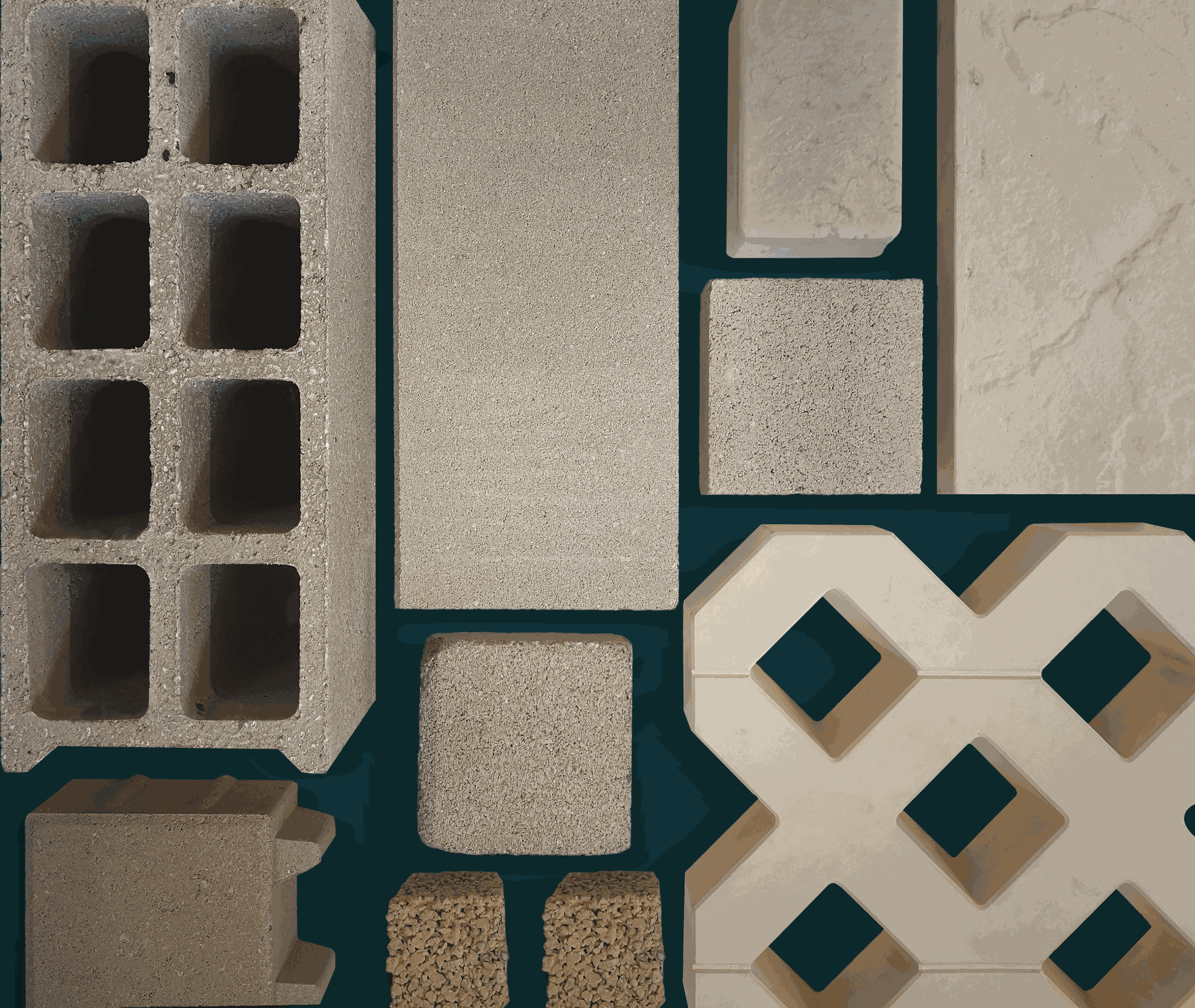
Ciment local et bas carbone à base d'argile non calcinée | EIC accelerator | Frenchtech2030 | GreenTech | Deeptech | Climatetech
Pavimenti ecosostenibili Vytreum con processo brevettato italiano. 95% riduzione CO2, 80% risparmio energetico, 100% materiali riciclati per esterni.

De wereld van biobased bouwen is in volle ontwikkeling. Vind alle actuele informatie op biobouwgids.nl zodat jij makkelijk kunt starten.

Maatwerk voor duurzame kozijnen, ramen en deuren. Voor zakelijk & particuliere verkoop. Met eenvoudige configuratie.
Run a free AEO + signal audit for your domain.
AI Answer Engine Optimization (AEO)
List once. Convert intent from live AI conversations without heavy integration.
Eco-friendly construction materials are building products designed to minimize environmental impact throughout their lifecycle. They incorporate sustainable sourcing, energy-efficient manufacturing, and high recyclability or biodegradability. Using these materials reduces carbon footprints, improves building energy performance, and supports green building certifications like LEED and BREEAM.
Establish precise technical, performance, and sustainability requirements for the building materials needed for your project.
Evaluate different material types, such as recycled steel, bamboo, or low-VOC paints, against cost, durability, and environmental credentials.
Choose the optimal sustainable materials and finalize procurement from certified suppliers to ensure compliance and performance.
Integrate recycled steel and low-carbon concrete to achieve LEED Platinum certification for corporate headquarters, enhancing brand value.
Utilize sustainably sourced timber and high-efficiency insulation to create energy-positive homes with superior indoor air quality.
Specify permeable pavers and recycled aggregates for sustainable drainage systems and road construction, reducing urban heat islands.
Employ antibacterial, low-VOC finishes and rapidly renewable materials to support patient health and meet stringent environmental standards.
Incorporate reclaimed wood and eco-certified furnishings to create sustainable, aesthetically appealing spaces that appeal to eco-conscious consumers.
Bilarna evaluates eco-friendly construction material providers using a proprietary 57-point AI Trust Score. This score rigorously assesses supplier credentials, including verified material certifications (like Cradle to Cradle, EPDs), sustainable sourcing practices, and proven delivery track records. Bilarna continuously monitors performance and client feedback to ensure listed providers meet the highest standards of reliability and sustainability.
Common types include recycled content materials (steel, glass, plastic), rapidly renewable resources (bamboo, cork), and low-impact products like low-VOC paints and sealants. Each category offers specific benefits for reducing embodied carbon, improving resource efficiency, and enhancing indoor environmental quality in building projects.
Cost premiums vary from 0-15% depending on material type, volume, and certification level. However, lifecycle cost analysis often shows long-term savings through superior durability, reduced energy consumption, and lower maintenance. Bulk purchasing and evolving market supply are also reducing initial cost barriers.
Prioritize materials with recognized certifications such as Environmental Product Declarations (EPDs), Cradle to Cradle Certified, Forest Stewardship Council (FSC) for wood, and Green Seal. These provide third-party verification of a product's environmental claims, encompassing factors like recycled content, emissions, and end-of-life recyclability.
Sustainable materials directly enhance building performance by improving thermal insulation, air tightness, and daylighting. For instance, structural insulated panels and high-performance glazing reduce heating and cooling loads. This leads to lower operational energy use, improved occupant comfort, and higher asset value.
Lead times can range from standard delivery to several weeks for custom or highly specialized items like certified mass timber or bespoke recycled composites. Early engagement with suppliers during the design phase is critical to secure materials, validate specifications, and avoid project delays.
Yes, modern professional websites are universally built to be mobile-friendly. This is achieved through responsive web design, a standard practice where a website's layout, images, and functionalities automatically adapt to fit any screen size, from smartphones and tablets to desktop computers. This approach guarantees an optimal user experience regardless of the device used. Furthermore, mobile-friendliness is a critical ranking factor for search engines like Google, making it an essential component of any web project. All contemporary websites should be constructed with responsive principles from the outset, ensuring seamless navigation, readable text without zooming, and appropriately sized interactive elements on touchscreens. This is no longer an optional feature but a fundamental requirement for accessibility, SEO, and user engagement in today's digital landscape.
Subcontractors can access planrooms and submit bids without any cost using construction bid management software. While basic access is free, subcontractors have the option to upgrade to advanced features such as bid tracking and deadline management by subscribing to premium plans. This tiered approach allows subcontractors to participate in bidding processes at no initial cost while providing additional tools for those who require more comprehensive bid management capabilities.
Modern psychiatric care providers often use electronic systems designed to be accessible and user-friendly for patients. These systems allow easy scheduling, communication with providers, and management of treatment plans. Unlike many traditional medical software platforms, these electronic systems prioritize patient experience, making it simpler to navigate appointments, access medical records, and receive timely support. This accessibility helps patients stay engaged with their care and reduces barriers to receiving proper treatment.
Bio-based natural materials are produced from cork industry waste through an upcycling process. 1. Collect discarded cork stopper waste from the cork industry. 2. Apply a refined upcycling process to transform the waste into plant-based biomaterials. 3. Ensure the resulting materials have exceptional mechanical properties and authentic aesthetics. 4. Reduce CO₂ emissions and environmental impact throughout the supply chain, from raw materials to logistics. This process converts what was previously waste into valuable, sustainable materials.
Skilled construction workers for staffing are verified through a multi-step vetting process that includes in-person interviews, comprehensive background checks, and validation of training and certifications. The process begins with direct, face-to-face interviews to assess skills, experience, and professionalism. This is followed by stringent background screenings. Crucially, the verification confirms that each worker possesses the specific trade certifications and safety training, such as OSHA standards, required for their assigned tasks. Reputable agencies also guarantee that workers are provided with all necessary personal protective equipment (PPE). This thorough vetting ensures that deployed personnel are not only qualified but also work-ready and compliant with job site safety regulations.
A business ensures brand consistency across all marketing materials by establishing and adhering to comprehensive brand guidelines and often partnering with a dedicated design or brand management agency. The process begins with the creation of a definitive brand identity, including logo usage, color palettes, typography, and tone of voice. These guidelines must be applied meticulously to every piece of collateral, from traditional print items like business cards and brochures to digital assets such as websites, social media graphics, and email templates. Professional agencies manage this by working closely with marketing teams to develop assets from scratch or to adapt existing brands, ensuring every output aligns with the core identity. Regular audits of all materials and centralized management of brand assets prevent deviation, maintaining a cohesive and professional image that builds trust with the audience across all platforms.
A CGI production studio maintains brand consistency across marketing materials by developing and adhering to a precise, reusable digital model of a product or brand identity. Once a hyper-photoreal 3D model is created, it becomes a single source of truth for all visual assets. This model ensures that every product detail, color, material finish, and lighting condition is perfectly replicated across all outputs, from e-commerce images and social media ads to large-scale print campaigns. Studios can generate a high volume of consistent visuals for different regions, seasons, or promotional contexts without variations in quality or appearance. This digital-first approach eliminates the inconsistencies inherent in multiple traditional photo shoots, guaranteeing that the brand is presented identically everywhere, which strengthens recognition and trust.
A construction back office platform improves project management efficiency by centralizing key administrative and operational tasks. It allows project managers to schedule jobs, allocate resources, and monitor progress from a single interface. Automated invoicing and expense tracking reduce manual errors and save time. Real-time data and reporting provide insights that help in making informed decisions quickly. Communication tools integrated within the platform facilitate better coordination among team members and subcontractors. By reducing paperwork and streamlining workflows, the platform helps ensure projects stay on schedule and within budget.
To create an SEO-friendly school website, focus on keyword-optimized content, fast loading speeds, and mobile-responsive design. Start by researching relevant keywords related to education, local community terms, and school-specific offerings to incorporate naturally into page titles, meta descriptions, and body text. Ensure the site loads quickly by compressing images, using efficient code, and leveraging browser caching. Implement a mobile-friendly design that adapts to various devices, as search engines prioritize mobile usability. Use clean URL structures and internal linking to improve navigation and crawlability. Additionally, list the school on local directories like Google My Business for local SEO, and regularly update the site with fresh content such as blog posts about events or educational tips to signal activity and engagement to search engines.
Use advanced acoustic materials to enhance noise control by following these steps: 1. Identify the specific noise frequencies and operational constraints of your application. 2. Select customizable acoustic materials designed for superior absorption, especially at low and mid frequencies. 3. Opt for materials with modular thickness and optimized design for easy installation. 4. Ensure the materials are eco-responsible, made from recycled and recyclable components to reduce environmental impact. 5. Implement the materials in your environment to achieve optimal acoustic performance and noise reduction.