Step 1
Comparison Shortlist
Machine-Ready Briefs: AI turns undefined needs into a technical project request.
We use cookies to improve your experience and analyze site traffic. You can accept all cookies or only essential ones.
 Bilarna
Stop browsing static lists. Tell Bilarna your specific needs. Our AI translates your words into a structured, machine-ready request and instantly routes it to verified Sustainable Building Materials experts for accurate quotes.
Machine-Ready Briefs: AI turns undefined needs into a technical project request.
Verified Trust Scores: Compare providers using our 57-point AI safety check.
Direct Access: Skip cold outreach. Request quotes and book demos directly in chat.
Precision Matching: Filter matches by specific constraints, budget, and integrations.
Risk Elimination: Validated capacity signals reduce evaluation drag & risk.
Ranked by AI Trust Score & Capability



Run a free AEO + AI signal audit for your business domain.
AI Answer Engine Optimization — your business cited in ChatGPT, Gemini, and Perplexity results
List once. Convert intent from live AI conversations without heavy integration.
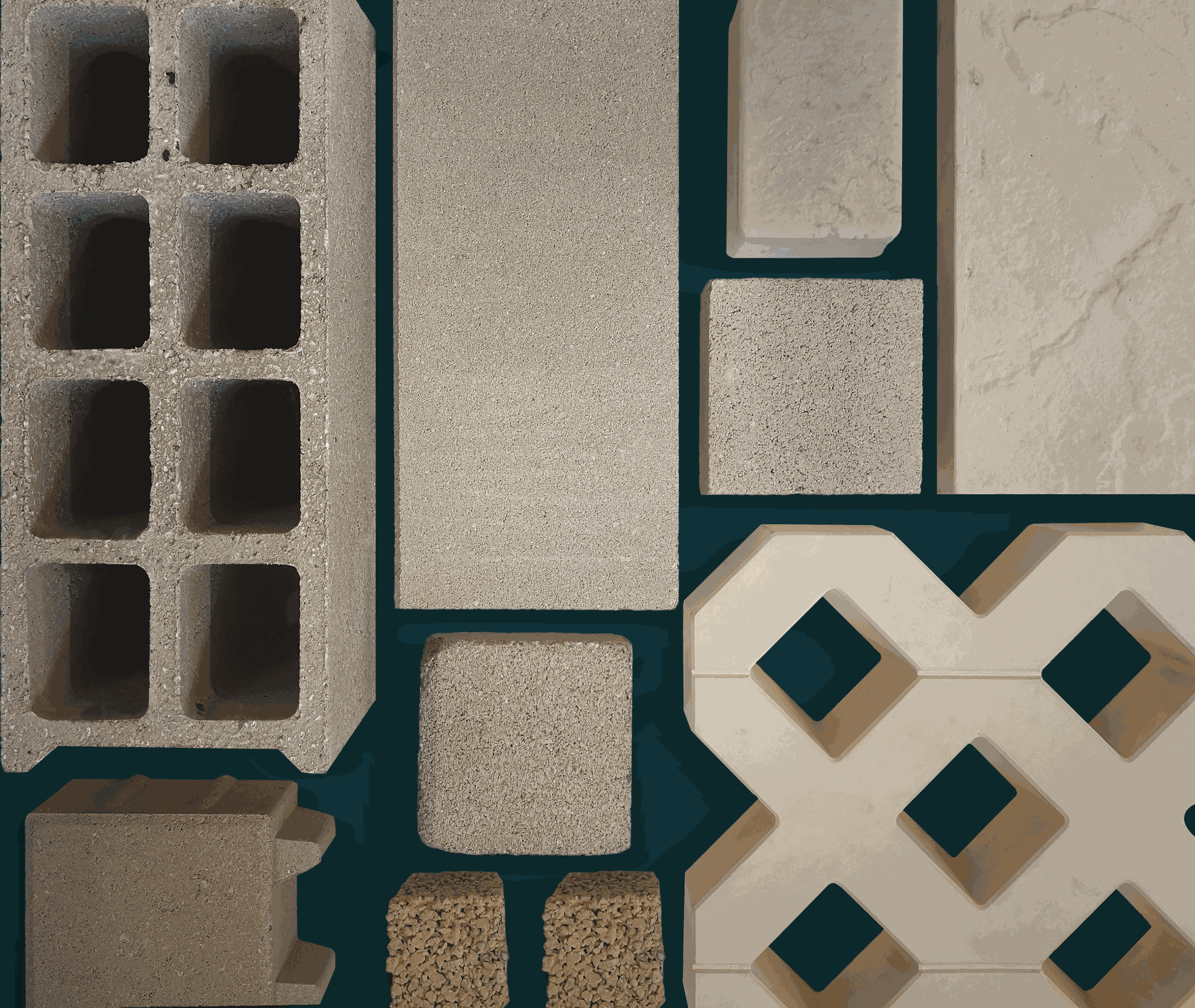
Sustainable building materials are construction products that minimize negative environmental impacts throughout their entire life cycle. They encompass recycled materials like concrete aggregates, renewable resources such as mass timber or bamboo, and energy-efficient components like cellulose or hemp insulation. These materials help reduce carbon footprints, improve building energy performance, and support circular economy principles in construction. They are utilized across all building phases, from structural framing to interior finishes, and assist in achieving certifications like LEED, BREEAM, or WELL Building Standard for healthier, more efficient structures.
Sustainable building materials providers include specialized manufacturers, distributors, and suppliers focused on ecological construction products. This encompasses established building material companies with dedicated sustainability lines, innovative startups developing bio-based alternatives, and certified suppliers holding credentials like Cradle to Cradle, FSC, or Declare labels. Many providers collaborate closely with architecture firms, developers, and contractors to deliver tailored solutions for green building projects. Their expertise typically covers areas such as material lifecycle assessment, embodied carbon calculation, and compliance with international environmental building standards.
Sustainable building materials work by incorporating resource-efficient raw materials, low-energy manufacturing processes, and designs that facilitate reuse or recycling at end-of-life. Pricing varies significantly by material type, availability, and project specifications, with standard products like recycled steel or engineered wood offering competitive costs, while advanced materials such as photocatalytic concrete or aerogel insulation command premium pricing. Typical procurement timelines range from immediate availability for stock items to several weeks for custom-engineered solutions. The delivery workflow often includes digital tools for quantity takeoffs, online specification sheets, and provision of Environmental Product Declarations (EPDs) for sustainability documentation.
Sustainable cat food products are specifically formulated to meet the nutritional needs of carnivorous cats. They use protein sources that mimic the natural prey of cats, ensuring essential amino acids and nutrients are present. The production process includes purification and veterinary approval to guarantee safety and health benefits. Additionally, these products are often non-GMO and free from harmful additives. By carefully selecting harm-free ingredients and testing extensively, sustainable cat food supports the health and wellbeing of cats without compromising their carnivorous dietary requirements.
Collaborate with your team on AI agents by using multi-seat paid plans. 1. Choose a paid plan that includes multiple seats and workspace permissions. 2. Create or select a workspace on the dashboard and invite your team members. 3. Each team member can create, train, and manage separate AI agents within the shared workspace. 4. Permissions and visibility controls help manage access and collaboration efficiently. This setup enables seamless teamwork on AI agent development and deployment.
Enable real-time collaboration using a cloud-based game engine. 1. Sign up and open your game project in the browser. 2. Invite team members to join the project. 3. Work simultaneously with multiple developers editing the same game. 4. View live cursors, edits, and changes from collaborators. 5. Save and deploy your game with all team contributions integrated.
Yes, importing existing backlinks is supported to streamline management. To import backlinks: 1. Prepare your backlink data in a compatible format such as CSV or Excel. 2. Access the import feature within the CRM dashboard. 3. Upload your backlink file and map the data fields as required. 4. Confirm the import and verify that all backlinks are correctly added to your account.
If you plan to build, demolish, or expand your property, you may need a permit or must submit a notification. This includes activities like constructing a shed, garden house, carport, or removing a tree. Some building activities fall under 'permit-free construction,' but even then, specific rules apply. It is important to check local regulations to ensure compliance and avoid penalties. Contact your local environmental or building authority to confirm whether your project requires a permit or notification.
Bio-based natural materials are produced from cork industry waste through an upcycling process. 1. Collect discarded cork stopper waste from the cork industry. 2. Apply a refined upcycling process to transform the waste into plant-based biomaterials. 3. Ensure the resulting materials have exceptional mechanical properties and authentic aesthetics. 4. Reduce CO₂ emissions and environmental impact throughout the supply chain, from raw materials to logistics. This process converts what was previously waste into valuable, sustainable materials.
Use 3D-printed clay bricks to enhance sustainable architecture by following these steps: 1. Source bio-based clay materials derived from earth to ensure natural and eco-friendly building components. 2. Utilize 3D printing technology to create precise bricks and decorative elements that reduce waste and optimize material use. 3. Incorporate these bricks into interior designs, furniture, and construction projects to promote sustainability and innovative aesthetics. 4. Assemble the bricks to build eco-friendly walls and structures that emphasize natural materials and modern technology integration.
A building management system can collect real-time data by interfacing with the existing hardware already installed in the building. Instead of adding new sensors or devices, the system connects to current equipment such as HVAC units, lighting controls, and security systems. This integration allows the system to gather data directly from these sources and present it on a mobile-friendly dashboard. By leveraging existing infrastructure, it reduces installation costs and complexity while enabling smarter building operations through continuous monitoring and data analysis.
A business ensures brand consistency across all marketing materials by establishing and adhering to comprehensive brand guidelines and often partnering with a dedicated design or brand management agency. The process begins with the creation of a definitive brand identity, including logo usage, color palettes, typography, and tone of voice. These guidelines must be applied meticulously to every piece of collateral, from traditional print items like business cards and brochures to digital assets such as websites, social media graphics, and email templates. Professional agencies manage this by working closely with marketing teams to develop assets from scratch or to adapt existing brands, ensuring every output aligns with the core identity. Regular audits of all materials and centralized management of brand assets prevent deviation, maintaining a cohesive and professional image that builds trust with the audience across all platforms.
A CGI production studio maintains brand consistency across marketing materials by developing and adhering to a precise, reusable digital model of a product or brand identity. Once a hyper-photoreal 3D model is created, it becomes a single source of truth for all visual assets. This model ensures that every product detail, color, material finish, and lighting condition is perfectly replicated across all outputs, from e-commerce images and social media ads to large-scale print campaigns. Studios can generate a high volume of consistent visuals for different regions, seasons, or promotional contexts without variations in quality or appearance. This digital-first approach eliminates the inconsistencies inherent in multiple traditional photo shoots, guaranteeing that the brand is presented identically everywhere, which strengthens recognition and trust.