Step 1
Machine-Ready Briefs
AI translates unstructured needs into a technical, machine-ready project request.
We use cookies to improve your experience and analyze site traffic. You can accept all cookies or only essential ones.
 Bilarna
Stop browsing static lists. Tell Bilarna your specific needs. Our AI translates your words into a structured, machine-ready request and instantly routes it to verified Advanced Roofing Solutions experts for accurate quotes.
AI translates unstructured needs into a technical, machine-ready project request.
Compare providers using verified AI Trust Scores & structured capability data.
Skip the cold outreach. Request quotes, book demos, and negotiate directly in chat.
Filter results by specific constraints, budget limits, and integration requirements.
Eliminate risk with our 57-point AI safety check on every provider.
Verified companies you can talk to directly
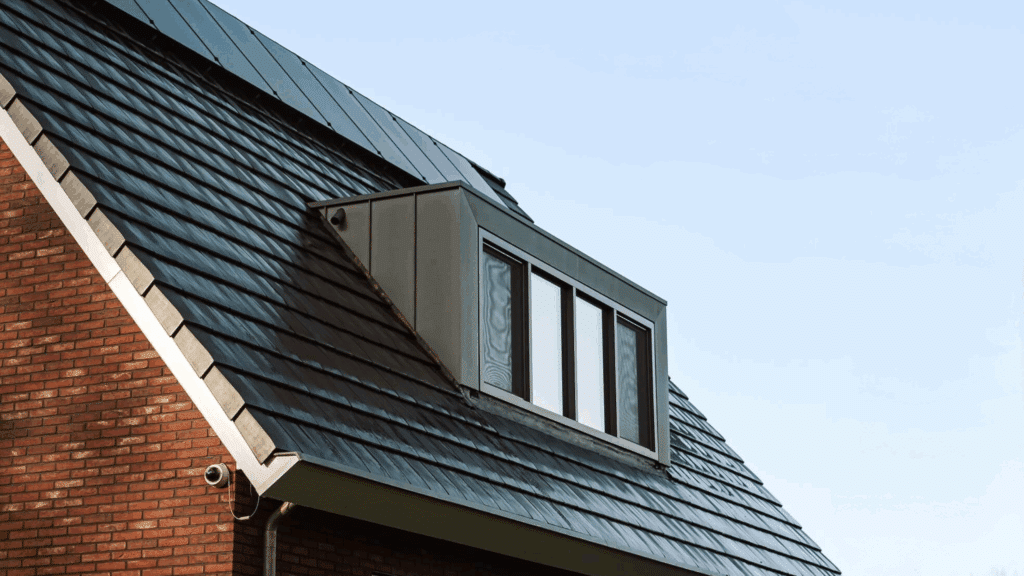
Laat binnen 1 dag een dakkapel plaatsen door specialisten. Maatwerk, topkwaliteit en scherpe prijs. Vraag direct je gratis offerte aan!
Run a free AEO + signal audit for your domain.
AI Answer Engine Optimization (AEO)
List once. Convert intent from live AI conversations without heavy integration.
Insulation, waterproofing, and eco-friendly roofing are integrated building envelope solutions designed to enhance thermal regulation, prevent water ingress, and reduce environmental impact. They utilize specialized materials and installation techniques to create high-performance, durable, and sustainable protective layers. For property owners and developers, these solutions lower operational costs, ensure long-term structural integrity, and contribute to green building certifications and regulatory compliance.
Establish clear requirements for thermal performance (R-value), waterproofing standards, desired sustainable materials, and project scope to guide vendor selection.
Assess the suitability of various insulation types, waterproofing membranes, and eco-friendly roofing systems like green roofs or solar-reflective coatings.
Professionally install the selected systems, ensuring proper integration and sealing, followed by performance testing to validate efficacy and durability.
Upgrading building envelopes to meet energy codes, reduce HVAC loads, and prevent leaks that can cause costly interior damage and business interruptions.
Protecting sensitive manufacturing areas and storage from temperature fluctuations and moisture, ensuring process stability and asset protection.
Creating controlled environments with superior air-tightness and moisture barriers critical for infection control, patient comfort, and equipment operation.
Enhancing guest comfort, reducing energy expenses, and utilizing green roofs for aesthetic appeal and environmental branding initiatives.
Applying durable, sustainable roofing to schools, municipal buildings, and transportation hubs to meet public sustainability goals and lifecycle cost targets.
Bilarna evaluates every insulation, waterproofing, and eco-roofing provider using a proprietary 57-point AI Trust Score. This algorithm analyzes technical certifications, project portfolio complexity, verified client testimonials, and compliance with regional building codes. Bilarna continuously monitors performance metrics to ensure listed providers maintain high standards of expertise and reliability.
Costs vary significantly by material, project scale, and building complexity, typically ranging from $3 to $15 per square foot. High-performance spray foam insulation or specialized green roofing systems command premium pricing. Always obtain itemized quotes that separate material, labor, and warranty costs for accurate comparison.
A standard commercial roofing project with integrated systems takes 2 to 8 weeks, depending on size, weather, and system complexity. Waterproofing membranes and insulation can be installed relatively quickly, while green roofs or solar tile integration require additional time. Phased planning is essential to minimize business disruption.
Spray foam provides superior air sealing and higher R-value per inch, making it ideal for irregular cavities and moisture control. Batt insulation is more cost-effective for standard framing and offers easier installation retrofits. The choice depends on budget, existing structure, and specific thermal and vapor barrier requirements.
Require proof of licensing, insurance, and manufacturer certifications for the specific materials being installed. Review a portfolio of similar projects and contact past client references. A reputable contractor should provide a detailed scope of work and a robust warranty covering both materials and labor.
Beyond environmental stewardship, benefits include significant long-term energy savings through improved thermal performance, potential tax incentives or utility rebates, extended roof lifespan, and enhanced property value. Solutions like cool roofs also mitigate urban heat island effects.
Professional roofing companies typically offer the following services: 1. Residential roofing installation and replacement using durable, weatherproof materials. 2. Roof inspections to detect issues early and maintain roof integrity. 3. Assistance with insurance claims to simplify the process and ensure proper payment. 4. Commercial roofing solutions including flat, TPO, and EPDM roofing systems. 5. Waterproofing services to prevent leaks and water damage. 6. Roof repair for leaks, damage, and wear and tear. 7. Gutter installation to protect the home from water damage. 8. Specialized services such as hail damage restoration. These services ensure comprehensive roof care and protection.
Eco-friendly laundry and dry cleaning services typically use biodegradable, skin-safe detergents and solvents that are free from harmful chemicals like perchloroethylene (Perc). These services focus on gentle cleaning processes that protect delicate fabrics and reduce environmental impact. Many providers implement solvent recycling and use energy-efficient machines to minimize waste and emissions. Additionally, packaging is often professional and sustainable, and pickup and delivery logistics are optimized to reduce carbon footprint. These practices ensure effective cleaning while supporting environmental responsibility.
Modern laundry and dry cleaning services increasingly adopt eco-friendly practices to reduce environmental impact. These include using biodegradable, skin-safe detergents and solvents that are free from harmful chemicals like perchloroethylene (Perc). Many services employ solvent-free or Perc-free stain and odor removal methods. Additionally, energy-efficient machines and water-saving technologies are often used in processing facilities. Packaging is typically professional and sustainable, and pickup and delivery fleets may use electric vehicles to minimize carbon emissions. These practices ensure effective cleaning while promoting health safety and environmental responsibility.
Technology supports eco-friendly driving and energy management in electric vehicle services by enabling features such as reward programs that incentivize sustainable driving behaviors. It facilitates the integration of demand response management, allowing energy assets to be optimized based on real-time charging demand and grid conditions. Through seamless connectivity and reliable data exchange, technology helps businesses and drivers monitor energy usage, reduce environmental impact, and participate in greener initiatives. This holistic approach not only improves the efficiency of EV charging infrastructure but also encourages responsible energy consumption and supports the transition to a sustainable transportation ecosystem.
Eco-friendly packaging benefits businesses by enhancing their brand image as socially responsible and environmentally conscious. It can attract customers who prioritize sustainability and are willing to support companies with green practices. From an environmental perspective, eco-friendly packaging reduces waste, minimizes the use of non-renewable resources, and lowers carbon footprints through biodegradable or recyclable materials. This approach helps businesses comply with regulations and contributes to global efforts in reducing pollution and conserving natural resources.
Delivery takes up to 8 weeks for orders within Austria and Germany due to batch manufacturing for sustainability. 1. Orders are produced in batches to minimize environmental impact. 2. Customers receive updates throughout the process. 3. Returns are free and easy within 30 days if not satisfied. 4. To return, contact customer service via email for instructions.
Adopt eco-friendly urinal screens and mats to benefit the environment by following these steps: 1. Choose products made from biodegradable materials that break down naturally without harming ecosystems. 2. Select recyclable screens and mats to reduce landfill waste and promote circular economy practices. 3. Use products that minimize chemical pollutants by avoiding harsh synthetic fragrances and ingredients. 4. Support brands committed to sustainability and environmentally responsible manufacturing. 5. Regularly replace and dispose of used screens properly to maintain environmental benefits.
Use an AI trip planner to create a personalized and eco-friendly trip quickly by following these steps: 1. Enter your travel preferences and destination into the planner. 2. Allow the AI to generate a customized itinerary based on your inputs. 3. Review the suggested eco-friendly options and activities. 4. Make adjustments if needed to fit your schedule and interests. 5. Receive real-time updates to keep your trip on track and environmentally conscious.
Implement eco-friendly agile practices by integrating sustainability into your agile workflows. 1. Assess your current processes for environmental impact. 2. Incorporate green objectives into sprint planning and retrospectives. 3. Use digital tools to minimize paper and resource waste. 4. Encourage remote collaboration to reduce travel emissions. 5. Continuously monitor and optimize for energy efficiency and resource conservation.
Use specialized tools designed for sustainable business travel to make eco-friendly decisions. 1. Employ a Sustainable Transport Scoring system to compare the environmental impact and cost of different transport modes like flights, trains, and buses. 2. Utilize a Destination Optimiser to select meeting and event locations that minimize travel time, cost, and carbon footprint. 3. Integrate travel policies and real-time carbon tracking to monitor emissions continuously. 4. Leverage data-driven recommendations to align travel choices with corporate sustainability goals.