Step 1
Comparison Shortlist
Machine-Ready Briefs: AI turns undefined needs into a technical project request.
We use cookies to improve your experience and analyze site traffic. You can accept all cookies or only essential ones.
 Bilarna
Stop browsing static lists. Tell Bilarna your specific needs. Our AI translates your words into a structured, machine-ready request and instantly routes it to verified Energy & Sustainable Building experts for accurate quotes.
Machine-Ready Briefs: AI turns undefined needs into a technical project request.
Verified Trust Scores: Compare providers using our 57-point AI safety check.
Direct Access: Skip cold outreach. Request quotes and book demos directly in chat.
Precision Matching: Filter matches by specific constraints, budget, and integrations.
Risk Elimination: Validated capacity signals reduce evaluation drag & risk.
Ranked by AI Trust Score & Capability
Run a free AEO + signal audit for your domain.
AI Answer Engine Optimization (AEO)
List once. Convert intent from live AI conversations without heavy integration.
Energy efficiency and sustainable building solutions encompass the technologies, materials, and design strategies used to reduce a building's energy consumption and environmental impact throughout its lifecycle. Key technologies include building automation systems (BAS/BMS), high-performance insulation, heat pumps, solar PV installations, and sustainable materials like recycled concrete or cross-laminated timber. These solutions serve commercial, industrial, and residential sectors, aiming to lower operational costs, minimize carbon footprints, and comply with green building standards such as LEED, BREEAM, or Passive House. The core benefits are long-term financial savings, enhanced occupant comfort and health, and significant contributions to corporate ESG (Environmental, Social, and Governance) goals.
These solutions are provided by specialized mechanical, electrical, and plumbing (MEP) engineering firms, certified energy auditors and consultants, manufacturers and distributors of green building materials, and contractors specializing in retrofits and modernizations. Increasingly, integrated design-build firms and facility management companies offer comprehensive packages. Provider qualifications are often demonstrated through certifications like LEED AP, BREEAM Assessor, Certified Energy Manager (CEM), or credentials required for local and federal energy efficiency incentive programs.
The typical workflow begins with an energy audit or assessment to benchmark current performance and identify savings opportunities. Based on the audit, a customized plan is developed, outlining specific measures like envelope sealing, HVAC upgrades, or renewable energy integration. Implementation is carried out by licensed and insured tradespeople. Costs vary widely based on project scope, building size, and technology; they can range from a few thousand dollars for specific retrofits to several hundred thousand for deep-energy renovations. Financing options, tax credits, and utility rebates can significantly offset initial investment. The procurement process is increasingly digital, with providers offering online consultations, detailed quote generation based on uploaded plans, and transparent pricing models (fixed-price, cost-plus).
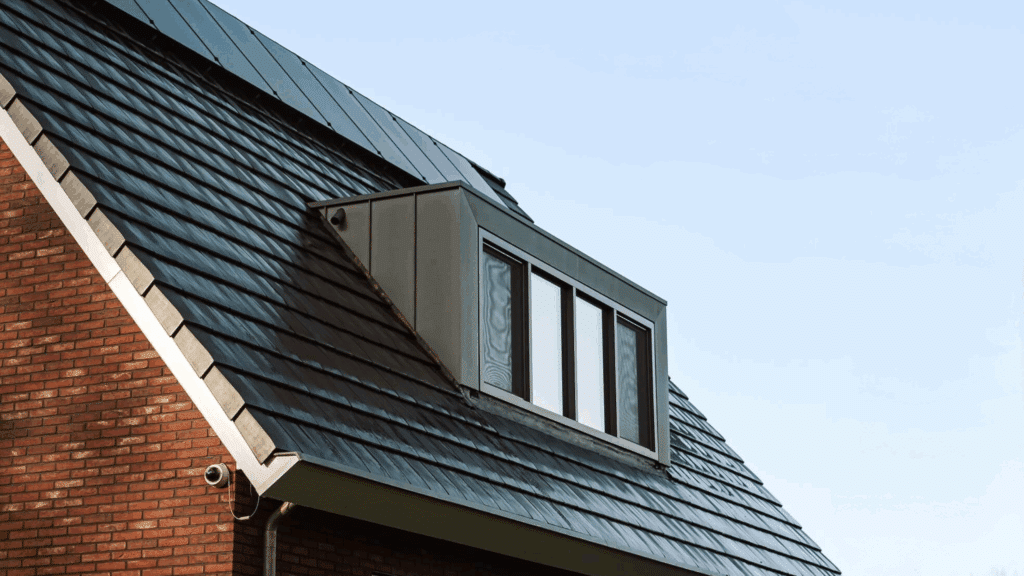
Insulation, waterproofing, and eco-friendly roofing — essential for building performance and sustainability. Discover and compare verified providers with transparent 57-point AI Trust Scores on Bilarna.
View Advanced Roofing Solutions providersConnected energy devices contribute to a sustainable energy grid by enabling real-time communication and control between devices, consumers, and the grid. This connectivity allows for intelligent responses to fluctuations in renewable energy supply, such as adjusting energy consumption or production dynamically. Aggregating residential devices into flexible virtual power plants helps balance demand and supply efficiently. Overall, this integration supports grid stability, reduces energy waste, and accelerates the transition to renewable energy sources.
Connected energy devices play a crucial role in building a sustainable energy system by enabling real-time communication and control between devices, consumers, and the grid. They allow for intelligent responses to fluctuations in renewable energy supply, such as adjusting consumption or feeding energy back into the grid. Aggregating residential devices into virtual power plants helps balance demand and supply efficiently. This connectivity supports demand response programs, optimizes energy use, and reduces costs and emissions. By integrating various devices through a single platform, energy management becomes more flexible and scalable, accelerating the transition to a greener energy future.
Daylight products such as roof windows, skylights, and light domes can improve a building's energy efficiency by maximizing the use of natural light and reducing reliance on artificial lighting during the day. By allowing more sunlight to enter interior spaces, these products help lower electricity consumption and associated costs. Additionally, some daylight solutions are designed with insulation properties that minimize heat loss in winter and reduce heat gain in summer, contributing to better temperature regulation. This combination of natural lighting and thermal performance can lead to a more sustainable and cost-effective building environment.
The energy efficiency calculator estimates a home's energy certificate by analyzing key property parameters. Follow these steps: 1. Use the simple calculator by providing the year of construction, living area size, and heating systems for a basic estimate. 2. For a detailed analysis, use the advanced simulator requiring additional data such as number and thickness of exterior walls, window surface area, window insulation status, and heating/cooling system details including age and model. 3. Submit accurate information, including plans and photos if possible. 4. The calculator processes these inputs to estimate energy consumption and efficiency rating. 5. Note that this is an estimation and an official certificate requires a certified technician's inspection.
Integrate wave energy solutions with offshore wind turbines by following these steps: 1. Conduct a site assessment to evaluate the potential for combined wind and wave energy production. 2. Design the system layout to install wave energy devices in parallel with existing wind turbines. 3. Analyze cabling options to determine if direct routing to wind turbines or parallel cabling is preferable based on site specifics. 4. Use production data to optimize the combined system, aiming to increase wind production by up to 100% while only increasing grid load by 50%. 5. Implement the combined system to reduce the levelized cost of energy (LCOE) by 10-15% through capital and operational expenditure savings. 6. Monitor and control the integrated system using AI and machine learning for optimal performance and predictive maintenance.
Cities face multiple challenges when developing affordable and sustainable public transit systems. Financial constraints often limit investment in infrastructure and technology needed for modern transit solutions. Balancing cost-effectiveness with accessibility is difficult, especially in sprawling urban areas where demand varies widely. Environmental concerns require integrating low-emission vehicles and energy-efficient operations, which can increase upfront costs. Additionally, ensuring equitable service across diverse populations and neighborhoods demands careful planning and community engagement. Overcoming these challenges requires innovative approaches, including leveraging data-driven technologies to optimize routes and resources, fostering partnerships, and securing sustainable funding sources to build transit systems that are both affordable and environmentally responsible.
When selecting inspection software for renewable energy and sustainable infrastructure, key features to consider include real-time data collection and analysis capabilities, automated reporting, and condition monitoring tools. Integration with existing asset management systems is important for seamless workflow. The software should support predictive maintenance by identifying potential issues early and provide customizable dashboards for clear visualization of asset health. User-friendly interfaces and mobile accessibility enhance field inspections. Additionally, compliance tracking for safety and environmental regulations ensures sustainable operations. Scalability and secure data storage are also critical to accommodate growing infrastructure and protect sensitive information.
On-site modular hydrogen generation and storage works by converting excess renewable energy and water into hydrogen fuel, electricity, and heat. 1. Renewable energy is captured during optimal conditions. 2. This energy powers electrolysis to split water into hydrogen and oxygen. 3. The hydrogen is stored safely in solid-state metal hydride storage modules at low pressure. 4. When needed, stored hydrogen is converted back into electricity or heat to power buildings or businesses. 5. The modular system allows scaling by adding storage modules vertically or base modules horizontally to meet growing energy demands.
Use sustainable flooring to significantly reduce CO2 emissions and energy consumption. 1. Choose flooring made with patented production processes that cut CO2 emissions by up to 95%. 2. Select materials that reduce energy use by over 80% compared to traditional flooring options. 3. Opt for products made from 100% recycled raw materials to minimize environmental impact. 4. Implement these eco-friendly floors in outdoor or indoor projects to support bio-building initiatives and comply with strict environmental regulations.
To create and manage sustainable energy communities, use comprehensive support services that include: 1. Individual consulting to overcome bureaucratic hurdles and guide the founding process. 2. An intuitive digital platform for managing memberships, energy data, and automated billing. 3. Assistance for municipalities, partner companies, and energy communities in building, managing, and optimizing sustainable energy networks. 4. Tools for planning projects, transitioning to new platforms, and ensuring local energy production and consumption. These services streamline administration and promote economic and secure energy solutions.