Step 1
Machine-Ready Briefs
AI translates unstructured needs into a technical, machine-ready project request.
We use cookies to improve your experience and analyze site traffic. You can accept all cookies or only essential ones.
 Bilarna
Stop browsing static lists. Tell Bilarna your specific needs. Our AI translates your words into a structured, machine-ready request and instantly routes it to verified Insurance Software Platforms experts for accurate quotes.
AI translates unstructured needs into a technical, machine-ready project request.
Compare providers using verified AI Trust Scores & structured capability data.
Skip the cold outreach. Request quotes, book demos, and negotiate directly in chat.
Filter results by specific constraints, budget limits, and integration requirements.
Eliminate risk with our 57-point AI safety check on every provider.
Verified companies you can talk to directly
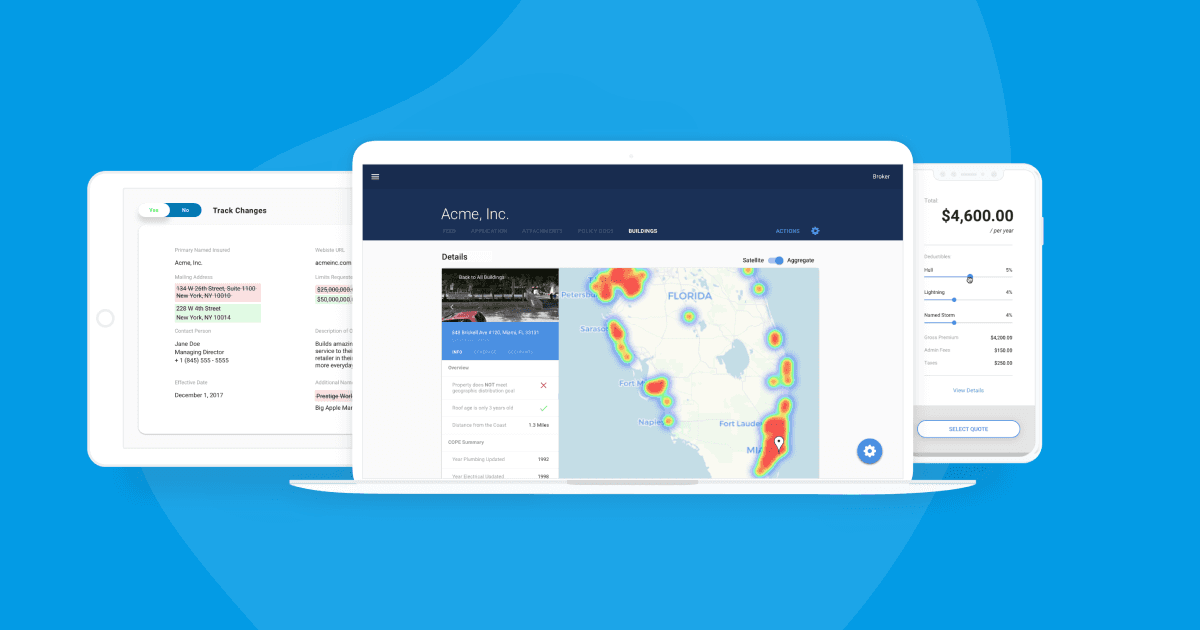
Increase submissions, improve underwriting results and automate your back office with PolicyFly
Run a free AEO + signal audit for your domain.
AI Answer Engine Optimization (AEO)
List once. Convert intent from live AI conversations without heavy integration.
Insurance software platforms are integrated technology suites designed to digitize and manage core insurance operations. They typically encompass modules for policy administration, underwriting, claims processing, and billing within a unified system. Implementing these platforms enhances operational efficiency, improves regulatory compliance, and enables data-driven risk assessment for carriers, MGAs, and brokers.
Organizations identify needed capabilities such as automated underwriting rules, omnichannel customer portals, or specific regulatory reporting modules for their target markets.
Technical teams assess the software's scalability, API ecosystem, cloud infrastructure, and integration potential with existing core systems and third-party data sources.
Selected providers deploy the platform, migrating historical data, configuring business rules, and training users to manage new digital workflows and customer interactions.
P&C insurers use these platforms to automate complex policy rating, manage high-volume claims intake, and integrate with IoT devices for real-time risk monitoring and prevention.
Providers leverage platforms to streamline application processing, manage intricate beneficiary data, ensure HIPAA/GDPR compliance, and administer long-term policy portfolios efficiently.
MGAs deploy specialized platforms to gain underwriting authority, issue policies swiftly for niche lines of business, and provide real-time analytics to carrier partners.
Brokerages implement platforms to aggregate quotes from multiple carriers, manage client relationships through a single dashboard, and automate commission tracking and reporting.
New market entrants build digital insurance products on modern platforms, using APIs to embed insurance into partner ecosystems and leverage AI for personalized pricing.
Bilarna evaluates all insurance software platform providers using a proprietary 57-point AI Trust Score. This score rigorously assesses technical capabilities, client portfolio depth, security certifications, and regulatory compliance. Bilarna continuously monitors provider performance and client satisfaction to ensure listed partners meet enterprise-grade reliability standards.
Costs vary widely based on deployment model and scope. Cloud-based SaaS solutions often operate on a subscription fee per user or policy, while on-premise implementations involve significant upfront licensing and customization costs, typically ranging from mid-five figures to millions annually for enterprise deployments.
Implementation timelines depend on complexity and data migration needs. A straightforward SaaS deployment for a single line of business may take 3-6 months, while a full-scale, multi-line core system replacement for a large carrier can require 12-24 months of phased configuration, integration, and testing.
Essential features include a configurable rules engine for underwriting, a comprehensive claims management module, integrated billing and commission tracking, robust reporting and analytics dashboards, and a modern API framework. Scalability and specific compliance tools for your region are also critical selection criteria.
A policy administration system (PAS) focuses primarily on the policy lifecycle—quoting, issuance, and renewals. A full insurance software platform is a broader suite that integrates the PAS with other core systems like claims, billing, and analytics, providing a single source of truth across all operations.
Evaluate the platform's native integration capabilities and pre-built connectors. Require detailed API documentation from vendors and conduct proof-of-concept testing. Choosing platforms with open architectures and partner marketplaces significantly eases integration with common CRM, payment, and data validation services.
Many health insurance plans now cover doula services, recognizing their value in supporting maternal health. Coverage can vary depending on the insurer and the specific plan, but it often includes prenatal visits, labor and delivery support, and postpartum care provided by certified doulas. Insurance coverage helps reduce out-of-pocket costs for families seeking holistic birth and postpartum support. It is advisable to check with your insurance provider to understand the extent of coverage and any requirements such as certification or referral needed to qualify for benefits.
The safety and regulation of online casino platforms depend entirely on their licensing jurisdiction and the security measures they implement. Legitimate platforms hold licenses from recognized authorities such as the Malta Gaming Authority, UK Gambling Commission, or Curacao eGaming and must comply with strict standards for fair play, data protection, and anti-money laundering. They use SSL encryption to safeguard financial transactions and personal information, and their games are regularly audited by independent testing agencies like eCOGRA or iTech Labs for randomness. Before registering, verify the license number displayed at the footer of the website and check it against the regulator’s official database. Reliable platforms also promote responsible gambling by offering deposit limits, self-exclusion tools, and links to support organizations. However, unlicensed or black-market sites pose significant risks including unfair games, non-payment of winnings, and data fraud. Always choose platforms with transparent ownership, positive user reviews, and clear dispute resolution procedures to ensure a safe gaming experience.
Many point of sale software providers offer solutions without charging implementation fees. This means you can adopt the software without upfront costs related to installation or setup. However, it is important to review each provider's pricing plans carefully, as some may charge monthly fees or require purchasing hardware separately.
To understand data upload limits and payment requirements on analytics platforms, follow these steps: 1. Review the platform's account types, such as free and paid plans. 2. Check the data upload limits for each plan; free accounts often have row limits per upload. 3. Determine if a credit card is required for free or paid accounts. 4. Understand the cancellation policy for paid subscriptions, which usually allows cancellation at any time.
Typically, after an initial trial period—often around seven days—business management software platforms do not charge monthly fees or enforce minimum usage requirements. Instead, continued use is contingent upon subscribing to a paid plan. This approach allows users to evaluate the software's features risk-free before committing financially. It is advisable to review the specific pricing details and terms on the provider's official website to understand any conditions related to payment plans, as these can vary between services.
Yes, governments often offer grants and financial support programs to subsidize custom software development for businesses. These programs aim to enhance productivity and digital capabilities. Common types include productivity grants that cover a significant percentage of qualifying IT solution costs, including custom software. There are also enterprise development grants focused on upgrading overall business capabilities, where software development is an eligible activity. Furthermore, specific grants exist for startups developing innovative technologies and for projects involving collaboration with research institutions. Eligibility typically depends on company size, project scope, and the innovative potential of the software. The application process can be detailed, so consulting with a qualified grant advisor is recommended to navigate requirements and maximize funding potential.
Many creator marketing platforms offer flexible subscription models without mandatory minimum periods or binding contracts. Users can often cancel their subscriptions at any time through their account settings. This flexibility allows brands to adapt their marketing strategies as needed without long-term commitments. It is important to review the specific platform's terms to understand cancellation policies and any potential fees, but generally, these platforms aim to provide user-friendly and commitment-free access.
Coverage for virtual health sessions varies depending on your insurance provider and plan. Many insurance companies have expanded their coverage to include telehealth and virtual health services, especially following recent healthcare trends. To find out if virtual health sessions are covered, you should contact your insurance company directly or review your policy documents. Some programs may also assist you by providing information about insurance coverage or submitting claims on your behalf. It’s important to verify coverage details before starting a program to understand any potential out-of-pocket costs.
Yes, a Laboratory Information Management System is designed to integrate seamlessly with various software systems and devices. This integration capability allows automatic transfer of test results and other data between the LIMS and external applications, reducing manual data entry and minimizing errors. It supports connectivity with laboratory instruments, billing systems, and other business software, enabling a unified workflow. Users can access test results and invoices from any device, ensuring flexibility and convenience. Such integrations enhance data accuracy, improve operational efficiency, and facilitate better communication across different platforms used within the laboratory environment.
AI code review platforms can significantly enhance team collaboration and code quality. By providing automated, objective feedback on code changes, these platforms reduce misunderstandings and subjective opinions during reviews. They help establish and enforce coding standards consistently across the team, ensuring everyone follows best practices. The faster identification of bugs and issues allows teams to address problems promptly, reducing technical debt. Moreover, AI tools facilitate knowledge sharing by highlighting code patterns and potential improvements, fostering a culture of continuous learning and collaboration among developers.