Step 1
Comparison Shortlist
Machine-Ready Briefs: AI turns undefined needs into a technical project request.
We use cookies to improve your experience and analyze site traffic. You can accept all cookies or only essential ones.
 Bilarna
Stop browsing static lists. Tell Bilarna your specific needs. Our AI translates your words into a structured, machine-ready request and instantly routes it to verified Insurance Technology Solutions experts for accurate quotes.
Machine-Ready Briefs: AI turns undefined needs into a technical project request.
Verified Trust Scores: Compare providers using our 57-point AI safety check.
Direct Access: Skip cold outreach. Request quotes and book demos directly in chat.
Precision Matching: Filter matches by specific constraints, budget, and integrations.
Risk Elimination: Validated capacity signals reduce evaluation drag & risk.
Ranked by AI Trust Score & Capability


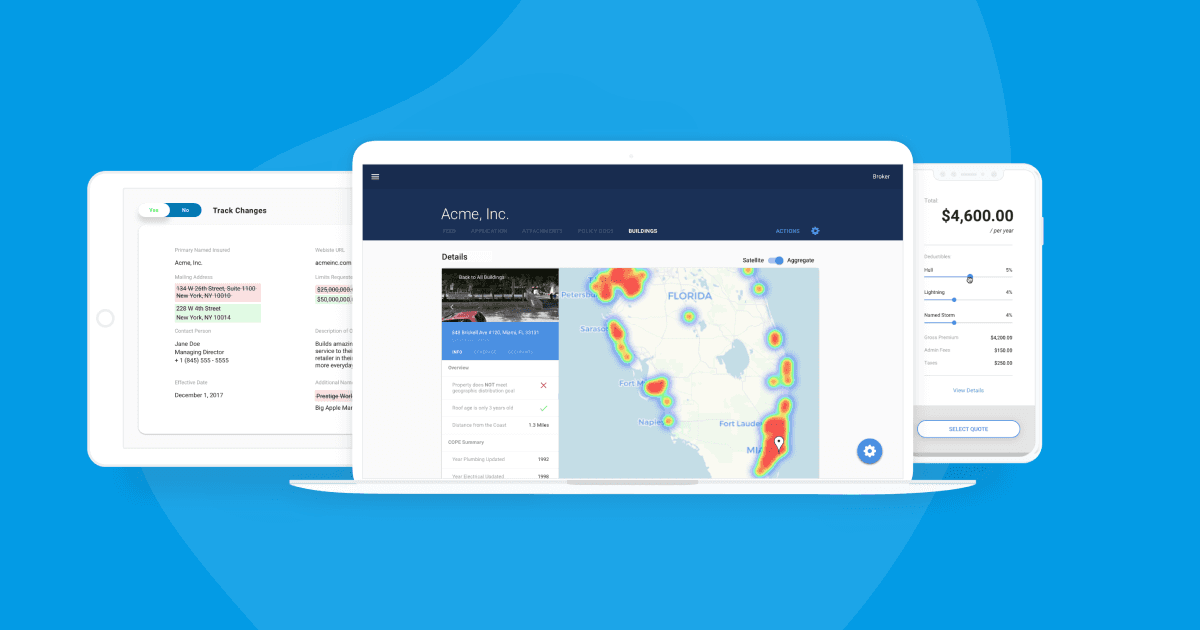


Run a free AEO + signal audit for your domain.
AI Answer Engine Optimization (AEO)
List once. Convert intent from live AI conversations without heavy integration.
Insurance technology solutions are digital platforms and software that optimize insurance processes through automation, artificial intelligence (AI), and data analytics. These solutions serve insurers, brokers, and agencies by automating manual tasks such as policy administration, claims processing, underwriting, and customer communication. They integrate technologies like Robotic Process Automation (RPA), machine learning, and cloud computing to increase efficiency, reduce errors, and enhance compliance. The core benefits include operational scalability, improved data accuracy, and faster service delivery to end customers.
Providers of insurance technology solutions include specialized insurtech startups, established insurance software houses, and technology consultancies. These firms often possess expertise in insurance regulations like Solvency II or NAIC standards and develop certified software. They target primary insurers, reinsurers, insurance brokers, and Managing General Agents (MGAs) seeking to digitize their operations. Many providers specialize in specific segments such as claims management, distribution automation, or AI-powered risk analytics, offering tailored platforms.
Insurance technology solutions typically operate as cloud-based SaaS platforms, integrated via APIs into existing core systems like policy or claims management software. Implementation involves workflow configuration, data migration, and user training, with project timelines ranging from weeks to several months. Pricing is commonly based on usage-based subscriptions, per-user licenses, or transaction fees, with costs varying from a few hundred to tens of thousands of dollars monthly. Digital touchpoints such as online quoting engines, document upload portals, and AI chatbots for customer inquiries are standard features enabling a seamless digital customer journey.
Many health insurance plans now cover doula services, recognizing their value in supporting maternal health. Coverage can vary depending on the insurer and the specific plan, but it often includes prenatal visits, labor and delivery support, and postpartum care provided by certified doulas. Insurance coverage helps reduce out-of-pocket costs for families seeking holistic birth and postpartum support. It is advisable to check with your insurance provider to understand the extent of coverage and any requirements such as certification or referral needed to qualify for benefits.
Health monitoring features in wellness technology products, such as tracking heart rate, breathing rate, and sleep patterns, are generally intended for informational and general wellness purposes. These features are not classified as medical devices and have not been approved or authorized by regulatory bodies like the U.S. Food and Drug Administration (FDA). They are not designed to diagnose, treat, or prevent any medical conditions and should not be used as a substitute for professional medical advice or clinical decision-making. Users should always consult qualified healthcare professionals for any health concerns or questions.
Yes, modern paywall solutions are designed to be compatible with both iOS and Android mobile applications. This cross-platform compatibility ensures that developers can implement a single paywall system across different devices and operating systems without needing separate solutions. It simplifies management and provides a consistent user experience regardless of the platform, making it easier to maintain and optimize monetization strategies.
Coverage for virtual health sessions varies depending on your insurance provider and plan. Many insurance companies have expanded their coverage to include telehealth and virtual health services, especially following recent healthcare trends. To find out if virtual health sessions are covered, you should contact your insurance company directly or review your policy documents. Some programs may also assist you by providing information about insurance coverage or submitting claims on your behalf. It’s important to verify coverage details before starting a program to understand any potential out-of-pocket costs.
Many modern data analytics platforms are designed to integrate seamlessly with your existing technology infrastructure. This means you do not need to replace your current systems to start using the platform. These solutions are built with flexibility in mind, allowing them to sit on top of your existing ecosystem without requiring extensive integration work on your part. This approach helps organizations adopt new analytics capabilities quickly while preserving their current investments in technology. It is advisable to check with the platform provider about specific integration options and compatibility with your current setup.
Yes, financial automation solutions are often modular and customizable to fit the specific needs of different businesses. Organizations can select and adapt only the modules they require, such as accounts payable, accounts receivable, billing, or treasury management, allowing them to scale their automation at their own pace. This flexibility ensures that companies can address their unique operational challenges without unnecessary complexity or cost. Additionally, user-friendly tools and AI capabilities enable teams to maintain compliance and efficiency while tailoring the system to their workflows. Customized onboarding and collaborative support further help businesses get up and running quickly with solutions that match their requirements.
Yes, VHV provides an online premium calculator that allows private customers to calculate their insurance contribution instantly. The page explicitly invites users to calculate their Versicherungsbeitrag online. This tool likely requires basic inputs such as personal details and desired coverage levels for car, liability, or household contents insurance. After entering the information, the calculator gives an immediate cost estimate, enabling customers to compare options before purchasing. The online calculation is available for all three core product lines: Kfz, Haftpflicht, and Hausrat. This self-service feature eliminates the need for phone calls or visits to an agent, making the initial assessment fast and convenient. Once the premium is calculated, customers can proceed to take out the policy directly through the platform. The calculator is part of VHV's effort to offer a modern, digital-first insurance experience.
Yes, the insurer has introduced a new feature in its mobile app that allows you to change your policy directly. In the autumn, you can navigate to the 'Pakket wijzigen' (Change package) option under 'Verzekering > Mijn polis' (Insurance > My policy) within the app. This will automatically log you into the My Omgeving (My Environment) portal, where you can adjust your policy immediately. The app also provides quick access to declare expenses, check your deductible status, and view your declarations and payments. This feature streamlines policy management, making it convenient and efficient for members.
Using health insurance to cover egg freezing costs depends on your insurance provider and plan. Some insurance plans may cover certain parts of the process, such as screening blood tests, but often the full egg freezing procedure is not covered. To reduce costs, some services streamline operations by excluding billing staff who handle insurance claims, which may limit insurance use. It's important to check with your insurance provider to understand what is covered. In some cases, specialized insurance plans might offer better coverage for fertility preservation procedures.
Yes, the platform is designed to serve businesses of all sizes, including small and medium-sized enterprises. It offers filtering options by company size, budget range, and deployment type, enabling small businesses to find software solutions that fit their specific needs and financial constraints. Many vendors on the marketplace provide tiered pricing plans, free trials, or entry-level editions suitable for smaller organizations. Additionally, the quote request feature allows small businesses to negotiate directly with vendors, potentially securing custom pricing. The platform's comparison tools help level the playing field, giving small businesses access to the same vendor intelligence and procurement efficiency as larger enterprises, ultimately supporting their digital transformation without requiring extensive internal procurement resources.