Step 1
Comparison Shortlist
Machine-Ready Briefs: AI turns undefined needs into a technical project request.
We use cookies to improve your experience and analyze site traffic. You can accept all cookies or only essential ones.
 Bilarna
Stop browsing static lists. Tell Bilarna your specific needs. Our AI translates your words into a structured, machine-ready request and instantly routes it to verified Healthcare Data Management experts for accurate quotes.
Machine-Ready Briefs: AI turns undefined needs into a technical project request.
Verified Trust Scores: Compare providers using our 57-point AI safety check.
Direct Access: Skip cold outreach. Request quotes and book demos directly in chat.
Precision Matching: Filter matches by specific constraints, budget, and integrations.
Risk Elimination: Validated capacity signals reduce evaluation drag & risk.
Ranked by AI Trust Score & Capability




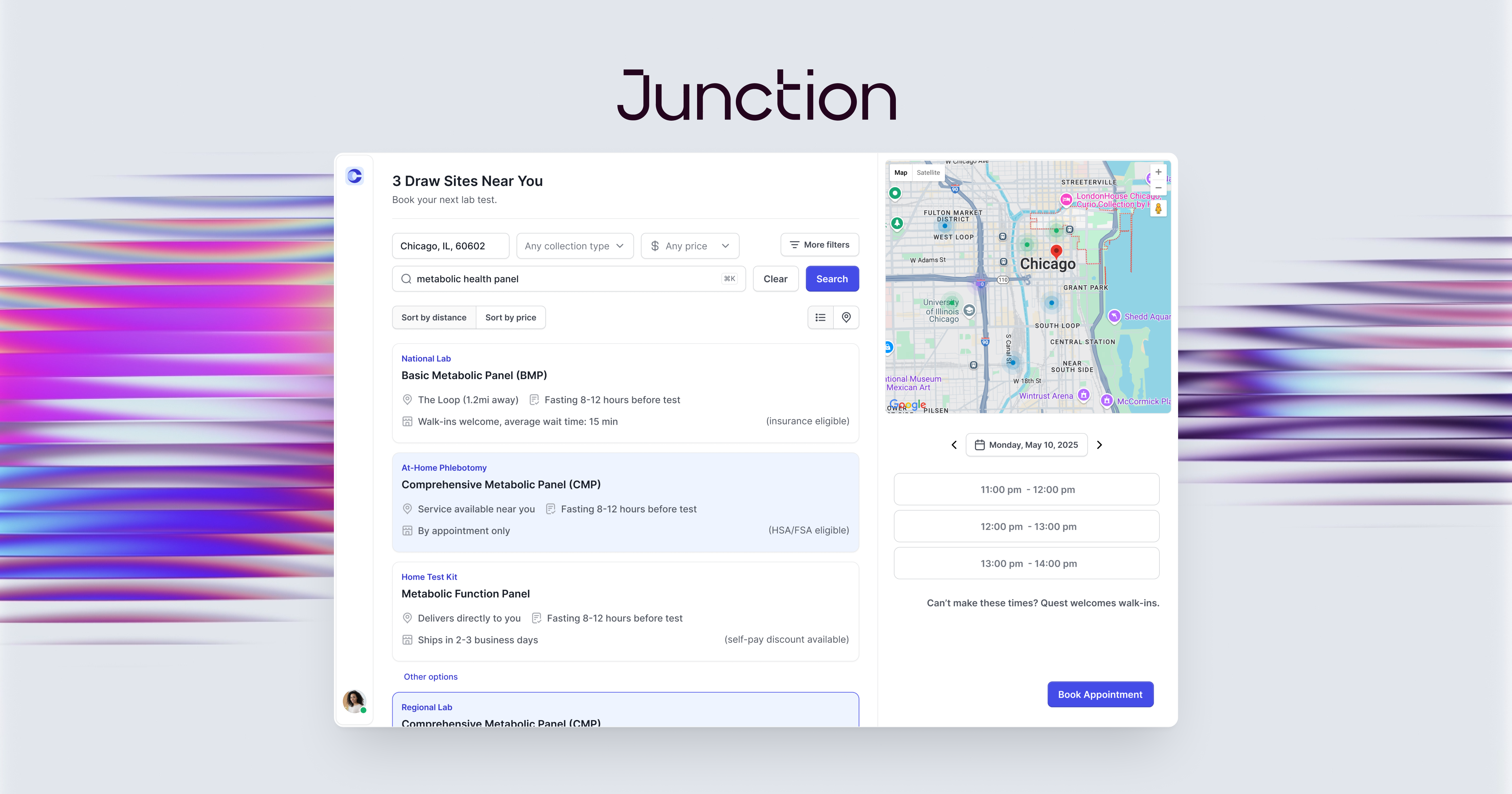

Run a free AEO + signal audit for your domain.
AI Answer Engine Optimization (AEO)
List once. Convert intent from live AI conversations without heavy integration.
Healthcare Data Management (HDM) is the systematic process of collecting, storing, securing, and analyzing medical data to improve patient care and operational efficiency. It encompasses technologies like Electronic Health Records (EHR), data warehousing, interoperability platforms, and AI-driven analytics. This discipline is critical for hospitals, clinics, research institutions, and public health agencies to ensure data integrity, support clinical decisions, and comply with regulations such as HIPAA and GDPR. Core benefits include reduced administrative burden, enhanced data security, improved patient outcomes through predictive insights, and streamlined reporting for regulatory compliance.
Healthcare Data Management solutions are offered by specialized software vendors, large health IT corporations, and managed service providers. Key providers include established EHR companies like Epic and Cerner, cloud platform giants such as Google Cloud Healthcare API and Microsoft Azure for Health, and niche firms specializing in data interoperability, clinical analytics, or cybersecurity. Many vendors hold certifications like HITRUST CSF or ISO 27001, and their teams often include certified health information management professionals to ensure solutions meet stringent industry standards for security and compliance.
Healthcare Data Management systems work by integrating with existing clinical and administrative systems to create a unified, secure data repository. A typical workflow involves data ingestion from EHRs and IoT devices, normalization and cleansing, storage in compliant cloud or on-premise environments, and analysis via dashboards or AI models. Pricing models are typically subscription-based (SaaS), with costs scaling by data volume, number of users, and required modules like advanced analytics or specific compliance tools. Implementation can take 3 to 12 months, involving data migration, staff training, and security audits. Providers often offer online demos, detailed quote requests, and pilot programs to facilitate procurement.
Digital health records – Discover and compare vetted providers for electronic patient data systems. Find your ideal partner through Bilarna's AI-powered B2B marketplace.
View Digital Health Records providersElectronic health records and data security — protect sensitive patient information with compliant solutions. Discover and compare verified providers on Bilarna's AI-powered marketplace.
View EHR and Data Security providersElectronic health record data extraction involves pulling structured and unstructured data from EHR systems. Discover and compare top-tier, vetted providers through Bilarna's AI-powered marketplace.
View EHR Data Extraction providersHealth data management — securely centralize, analyze, and govern sensitive patient information. Discover and compare AI-vetted providers on Bilarna.
View Health Data Management Solutions providersHealthcare Data API — securely integrate and exchange electronic health records (EHR) and clinical data. Discover and compare verified, compliant providers on Bilarna's AI-powered marketplace.
View Healthcare Data API providersHealthcare data integration connects disparate patient and system data for unified insights. Discover and compare vetted providers on Bilarna using the 57-point AI Trust Score.
View Healthcare Data Integration providersHospital quality data automation transforms raw clinical metrics into actionable insights using AI and integration tools. Discover and compare trusted automation providers on Bilarna's AI-powered marketplace.
View Hospital Quality Data Automation providersLab report automation and data integration streamlines lab data flow, reducing errors and accelerating insights. Find and compare top-rated providers on Bilarna's trusted B2B marketplace.
View Lab Report & Data Integration providersMedical data annotation and AI training is the process of preparing real-world clinical data to develop and refine healthcare AI. Discover and compare verified, expert providers on Bilarna using our AI-powered platform.
View Medical Data Annotation & AI Training providersMedical data automation – streamline processes and ensure compliance. Discover and compare verified providers on Bilarna using the AI Trust Score for confident procurement.
View Medical Data Automation providersMedical data automation and compliance streamlines patient data workflows while ensuring regulatory adherence. Discover and compare top-rated providers on Bilarna's AI-powered B2B marketplace.
View Medical Data Automation & Compliance providersMedical data integration and analytics connects and analyzes disparate healthcare data sources to drive insights. Compare top-rated, verified providers for your project on Bilarna's B2B marketplace.
View Medical Data Integration & Analytics providersUnified patient records — discover, compare, and request quotes from verified healthcare data integration providers on Bilarna. Streamline care coordination with AI-vetted solutions.
View Unified Patient Records Platforms providersYes, AI voice and SMS agents designed for healthcare are built with security and compliance in mind. They adhere to industry standards and regulations such as HIPAA (Health Insurance Portability and Accountability Act) to protect patient data privacy and security. Business Associate Agreements (BAAs) are available to formalize compliance commitments. Additionally, these agents comply with regulations like TCPA (Telephone Consumer Protection Act) and PCI (Payment Card Industry) standards where applicable. Ensuring security and regulatory compliance is critical to maintaining trust and safeguarding sensitive healthcare information while leveraging AI technologies.
Yes, some online healthcare booking platforms offer benefits such as cashback when you book your medical appointments or procedures through them. Cashback offers can help reduce the overall cost of your healthcare expenses. These incentives encourage patients to use the platform for their healthcare needs, providing both convenience and financial savings.
To understand data upload limits and payment requirements on analytics platforms, follow these steps: 1. Review the platform's account types, such as free and paid plans. 2. Check the data upload limits for each plan; free accounts often have row limits per upload. 3. Determine if a credit card is required for free or paid accounts. 4. Understand the cancellation policy for paid subscriptions, which usually allows cancellation at any time.
Typically, after an initial trial period—often around seven days—business management software platforms do not charge monthly fees or enforce minimum usage requirements. Instead, continued use is contingent upon subscribing to a paid plan. This approach allows users to evaluate the software's features risk-free before committing financially. It is advisable to review the specific pricing details and terms on the provider's official website to understand any conditions related to payment plans, as these can vary between services.
Yes, a Laboratory Information Management System is designed to integrate seamlessly with various software systems and devices. This integration capability allows automatic transfer of test results and other data between the LIMS and external applications, reducing manual data entry and minimizing errors. It supports connectivity with laboratory instruments, billing systems, and other business software, enabling a unified workflow. Users can access test results and invoices from any device, ensuring flexibility and convenience. Such integrations enhance data accuracy, improve operational efficiency, and facilitate better communication across different platforms used within the laboratory environment.
Yes, AI dental receptionists can integrate seamlessly with most major practice management systems (PMS) that offer online appointment pages or APIs. This integration allows the AI to book appointments directly into your existing system, pull customer form responses from your CRM, and route calls to the correct clinic and calendar. Such integration ensures that all patient interactions are synchronized with your practice’s workflow, improving efficiency and reducing manual data entry errors.
Yes, AI design engineering tools are designed for seamless integration with existing CAD, BIM, and project management software. This compatibility ensures that engineers can continue using their preferred tools without disrupting established workflows. The integration facilitates data exchange and collaboration, enhancing efficiency and enabling teams to leverage AI capabilities alongside their current systems.
Yes, AI planning platforms are designed to integrate seamlessly with existing trucking management tools and portals. This means there is no need to replace current systems, allowing fleets to enhance their operations without disrupting established workflows. Integration is typically facilitated through pre-built connectors that link the AI platform with the fleet's existing data sources and software. This approach enables a fast start and real impact, as fleets can deploy AI-driven planning solutions risk-free and begin seeing results within a short timeframe, often within a month. Continuous support is also provided to ensure smooth integration and ongoing optimization.
Yes, AI RFP software typically integrates with a wide range of existing business tools such as CRM platforms, collaboration software, cloud storage services, and knowledge management systems. This seamless integration allows users to leverage their current data sources and workflows without disruption. Regarding security, reputable AI RFP solutions prioritize data protection through measures like end-to-end encryption, compliance with standards such as SOC 2, GDPR, and CCPA, and role-based access controls. Data is never shared with third parties, ensuring confidentiality and compliance with privacy regulations.
Yes, AI timekeeping software is designed to integrate seamlessly with existing legal practice management tools. This integration allows the software to draft and release time entries directly into platforms commonly used by law firms, such as Clio, MyCase, and Filevine. By working within the tools lawyers already use, the software eliminates the need for workflow changes, making adoption easier and more efficient. This connectivity ensures that time tracking and billing processes are streamlined, enabling law firms to increase billable hours and improve overall productivity without disrupting their current systems.