Step 1
Comparison Shortlist
Machine-Ready Briefs: AI turns undefined needs into a technical project request.
We use cookies to improve your experience and analyze site traffic. You can accept all cookies or only essential ones.
 Bilarna
Stop browsing static lists. Tell Bilarna your specific needs. Our AI translates your words into a structured, machine-ready request and instantly routes it to verified Digital Advertising Optimization experts for accurate quotes.
Machine-Ready Briefs: AI turns undefined needs into a technical project request.
Verified Trust Scores: Compare providers using our 57-point AI safety check.
Direct Access: Skip cold outreach. Request quotes and book demos directly in chat.
Precision Matching: Filter matches by specific constraints, budget, and integrations.
Risk Elimination: Validated capacity signals reduce evaluation drag & risk.
Ranked by AI Trust Score & Capability




Run a free AEO + signal audit for your domain.
AI Answer Engine Optimization (AEO)
List once. Convert intent from live AI conversations without heavy integration.
Digital advertising optimization is the systematic process of improving the performance of online ad campaigns through data-driven analysis and adjustment. It leverages advanced technologies like machine learning and automation to optimize parameters such as bids, audiences, placements, and creative assets in real-time. This practice is critical for advertisers in industries like e-commerce, financial services, and SaaS to maximize their advertising spend. The core benefits include increasing return on investment (ROI), lowering customer acquisition costs (CPA), and improving overall campaign management efficiency.
Digital advertising optimization is provided by specialized provider types, including performance marketing agencies, SaaS-based advertising technology (AdTech) software vendors, and marketing automation consultancies. Many of these providers hold relevant certifications from platforms like Google, Meta, or Amazon Ads and specialize in specific channels such as paid search, social media, or programmatic display. Independent consultants and boutique agencies often offer tailored optimization services, while larger technology firms provide comprehensive platforms for campaign automation and orchestration.
The digital advertising optimization process begins with a comprehensive data analysis of existing campaigns, followed by identifying performance gaps and optimization opportunities. Providers then implement continuous testing cycles (A/B testing, multivariate testing) and leverage algorithms for automated bidding and targeting. Pricing is typically based on a percentage of media spend, a monthly retainer fee, or a usage-based SaaS subscription. Engagements can be structured as one-time audits or ongoing campaign management, with initial results often visible within 4-8 weeks. Collaboration occurs through digital touchpoints like online dashboards, file uploads for data, and regular feedback via video conferencing.
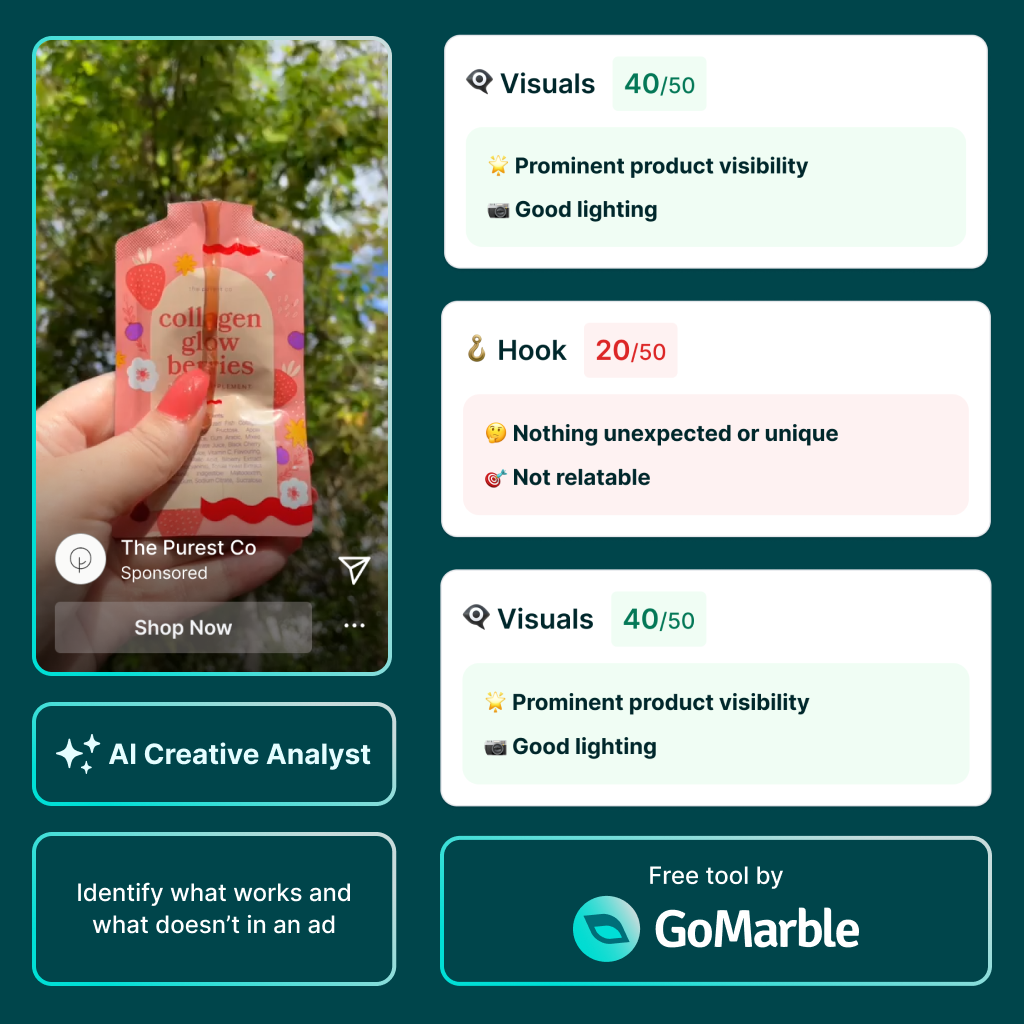
Provides AI-powered tools to analyze ad visuals, copy, and performance for better marketing results.
View Ad Performance Analysis providersAd Stack Optimization improves ad tech performance and ROI. Discover and compare verified, AI-evaluated specialists on Bilarna.
View Ad Stack Optimization Services providersCheck the pricing details before using any AI video optimization tool. Follow these steps: 1. Visit the official website or platform offering the tool. 2. Review the pricing plans and terms of service carefully. 3. Look for any mention of additional costs such as subscription fees, usage limits, or premium features. 4. Contact customer support for clarification if needed to avoid unexpected charges.
When using a digital Visa card linked to your wallet for spending or sending USD internationally, you typically avoid foreign exchange fees and IOF taxes. This means you can make purchases or send money abroad without hidden costs, keeping more of your funds intact. The card supports global acceptance and works with digital payment platforms like Apple Pay and Google Pay, providing a convenient and cost-effective way to manage your USD spending worldwide.
When using a digital Visa card linked to your wallet for spending or sending USD internationally, you typically avoid common fees such as IOF (Brazilian tax on financial operations) and foreign exchange fees. This means you can make purchases or send money abroad without hidden charges or unfavorable exchange rate spreads. The card allows you to spend in USD globally with no additional costs, making international transactions more cost-effective and transparent. However, always check the specific terms of your card issuer for any applicable fees.
Yes, a digital twin can automate scheduling and customer support by handling routine tasks such as booking meetings and answering frequently asked questions. It operates continuously without breaks, ensuring customers receive timely responses and appointments are managed efficiently. This automation reduces the workload on human staff, minimizes errors, and enhances the overall customer experience by providing consistent and reliable service around the clock.
Yes, AI tools can fully automate digital marketing campaigns by managing keyword research, content creation, publishing, and performance tracking. 1. Use AI to identify trending keywords and topics. 2. Automatically generate SEO-optimized content tailored to your audience. 3. Schedule and publish content across multiple platforms from a single dashboard. 4. Automate backlink outreach and social media engagement. 5. Analyze campaign data in real-time to optimize strategies and improve ROI.
Yes, the platform offers a feature where you can rip digital packs to reveal physical trading cards. These physical cards can then be redeemed and shipped worldwide. This service allows collectors and traders to access real, graded cards from digital purchases, expanding the convenience and reach of trading card collecting across different regions.
Yes, you can update your contact information on a digital business card anytime after purchase by following these steps: 1. Access your digital business card management platform or app as instructed. 2. Edit your contact details such as phone number, email, photo, or other information. 3. Save the changes to update your card instantly. 4. The updated information will be visible to anyone you share your card with going forward. 5. There are no additional fees or need to print new cards for updates.
Yes, you can use the online digital clock in fullscreen mode. Follow these steps: 1. Open the digital clock website on your device. 2. Locate the fullscreen button in the top navigation bar. 3. Click the fullscreen button to expand the clock to fill your entire screen. 4. To exit fullscreen, press the escape key or click the fullscreen button again. This mode provides a distraction-free view, ideal for presentations or workspace use.
Yes, you can use scrolling to find design inspiration by entering your project idea and browsing through various design options. Follow these steps: 1. Type your app or website idea into the input box. 2. Scroll through the endless designs generated based on your input. 3. Observe different design elements such as color schemes, layouts, and typography. 4. Save or note the designs that inspire you for future reference or development.
Enable multiple team members to sign a digital greeting card by following these steps: 1. Create the card and customize it with your message and design. 2. After creation, generate and share the unique signing link with your team. 3. Team members access the link to add their personal messages or signatures online. 4. Collect all signatures before the scheduled delivery date. 5. Send the completed card to the recipient without requiring them to have an account.