Step 1
Machine-Ready Briefs
AI translates unstructured needs into a technical, machine-ready project request.
We use cookies to improve your experience and analyze site traffic. You can accept all cookies or only essential ones.
 Bilarna
Stop browsing static lists. Tell Bilarna your specific needs. Our AI translates your words into a structured, machine-ready request and instantly routes it to verified Warehouse Optimization Software experts for accurate quotes.
AI translates unstructured needs into a technical, machine-ready project request.
Compare providers using verified AI Trust Scores & structured capability data.
Skip the cold outreach. Request quotes, book demos, and negotiate directly in chat.
Filter results by specific constraints, budget limits, and integration requirements.
Eliminate risk with our 57-point AI safety check on every provider.
Verified companies you can talk to directly
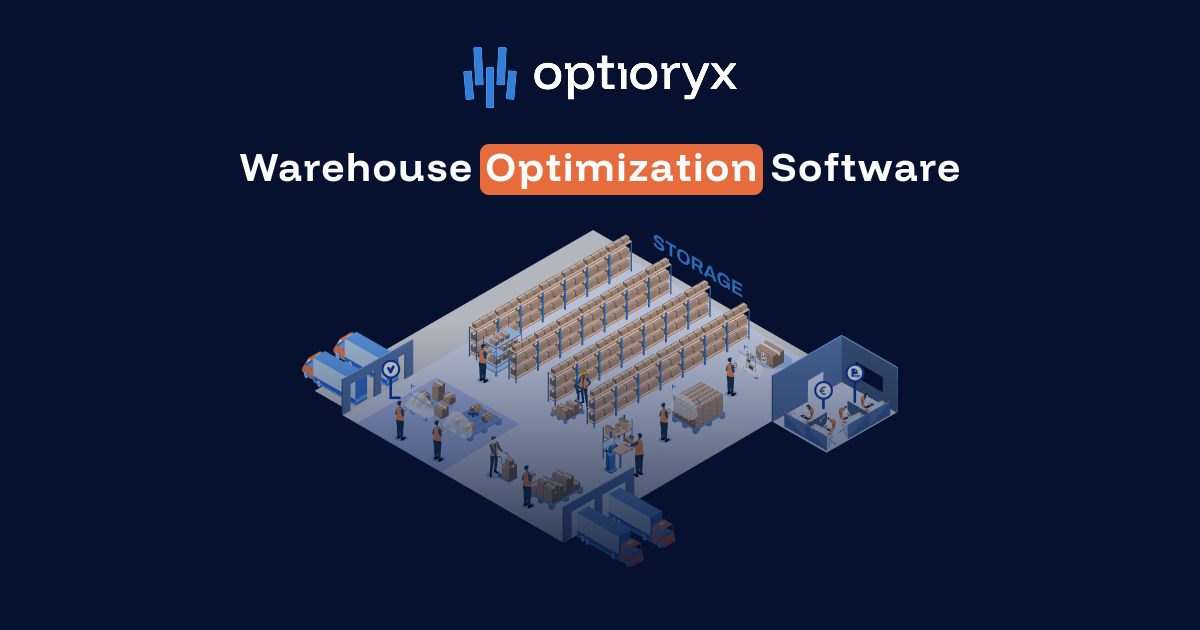
Add AI-powered intelligence on top of your WMS with warehouse optimization software. Optimize picking, packing, and slotting, and simplify data gathering with AI.
Run a free AEO + signal audit for your domain.
AI Answer Engine Optimization (AEO)
List once. Convert intent from live AI conversations without heavy integration.
Warehouse optimization software is a category of technology solutions designed to streamline and automate inventory management, storage, and logistics operations within a distribution center. These platforms typically leverage technologies like AI, IoT sensors, and advanced analytics to forecast demand, optimize picking routes, and manage warehouse space. The key outcome is a significant reduction in operational costs, improved order accuracy, and faster fulfillment times for businesses.
The software first maps your existing warehouse layout and analyzes historical inventory data to identify inefficiencies in storage and movement.
It then establishes automated rules and workflows for tasks like replenishment, order picking, and put-away to minimize manual intervention.
Finally, the system offers a dashboard with real-time KPIs, such as inventory turnover and pick accuracy, for continuous operational improvement.
Software manages high-SKU volumes and seasonal peaks, optimizing pick paths to ensure same-day or next-day delivery promises are met.
Platforms enable 3PLs to efficiently manage diverse client inventories and workflows from a single interface, maximizing facility utilization.
Solutions synchronize raw material storage with production lines using Just-in-Time (JIT) principles to reduce waste and holding costs.
Specialized software monitors temperature zones, tracks expiry dates, and prioritizes stock rotation to maintain compliance and reduce spoilage.
Systems optimize the flow of goods from DCs to stores, balancing inventory levels to prevent stockouts while minimizing excess stock.
Bilarna evaluates every warehouse optimization software provider through a rigorous 57-point AI Trust Score. This proprietary assessment verifies technical expertise, client satisfaction via reference checks, and compliance with industry standards like ISO. Bilarna continuously monitors performance metrics, ensuring listed providers maintain high reliability and deliver concrete results for buyers.
Essential features include inventory management with real-time tracking, warehouse management system (WMS) core functionality, advanced analytics and reporting, and integration capabilities with ERPs and shipping carriers. The best platforms also offer labor management tools and demand forecasting to provide a holistic view of operations.
Costs vary significantly based on deployment model, warehouse size, and user count. Cloud-based SaaS solutions often have monthly subscription fees per user, while on-premise systems involve larger upfront licensing. Implementation, training, and integration services are additional cost factors to consider in the total budget.
A standard implementation for a mid-sized warehouse typically takes 3 to 6 months. This timeline covers system configuration, data migration, integration with existing tools, user training, and go-live testing. Complex deployments with custom workflows or large-scale integrations can extend to 9 months or more.
Typical ROI manifests within 12-18 months through measurable gains. These include a 15-30% reduction in labor costs from optimized picking, a 20-35% decrease in inventory carrying costs, and a significant improvement in order accuracy, often exceeding 99.5%.
Common pitfalls include underestimating integration complexity with legacy systems, choosing a solution that cannot scale with business growth, and neglecting the importance of user-friendly interfaces which affect adoption rates. Failing to involve operational staff in the selection process also leads to poor fit.