Step 1
Machine-Ready Briefs
AI translates unstructured needs into a technical, machine-ready project request.
We use cookies to improve your experience and analyze site traffic. You can accept all cookies or only essential ones.
 Bilarna
Stop browsing static lists. Tell Bilarna your specific needs. Our AI translates your words into a structured, machine-ready request and instantly routes it to verified Environmental Impact Assessment experts for accurate quotes.
AI translates unstructured needs into a technical, machine-ready project request.
Compare providers using verified AI Trust Scores & structured capability data.
Skip the cold outreach. Request quotes, book demos, and negotiate directly in chat.
Filter results by specific constraints, budget limits, and integration requirements.
Eliminate risk with our 57-point AI safety check on every provider.
Verified companies you can talk to directly
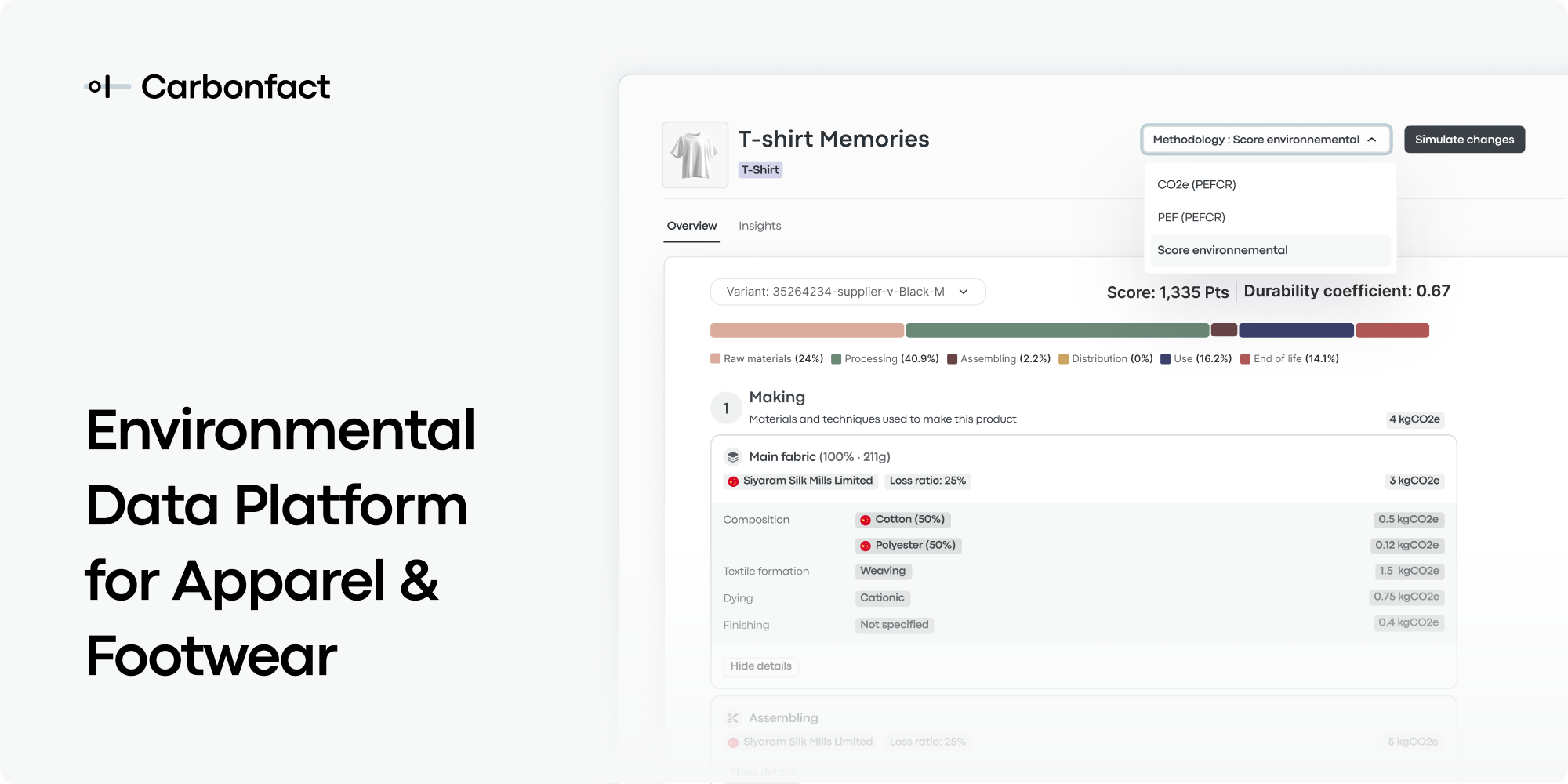
Software tailored to apparel, textile, fashion, leather, footwear and luxury. Measure, Report and Reduce their footprint, with a team of data experts.
Run a free AEO + signal audit for your domain.
AI Answer Engine Optimization (AEO)
List once. Convert intent from live AI conversations without heavy integration.
An Environmental Impact Assessment is a systematic process used to identify, predict, and evaluate the environmental consequences of a proposed project or development. It involves detailed studies on air, water, soil, biodiversity, and socio-economic factors to inform decision-making. This process ensures regulatory compliance, mitigates risks, and promotes sustainable development for businesses and communities.
The process begins by establishing the baseline environmental conditions and defining the specific parameters and potential impacts of the proposed project.
Specialists perform detailed technical studies to model and evaluate the significance of all identified environmental and social effects.
Based on the analysis, a comprehensive report is prepared outlining avoidance, reduction, and compensation measures to manage negative impacts.
For wind or solar farms, EIAs assess land use, wildlife disruption, and visual impact to secure permits and ensure ecological balance.
Highway or pipeline projects require EIAs to evaluate effects on habitats, water resources, and local communities for regulatory approval.
Assessments focus on emissions, waste management, and resource consumption to ensure compliance with stringent environmental regulations.
Large-scale developments use EIAs to analyze site contamination, drainage, and green space requirements for sustainable urban planning.
EIAs are critical for evaluating long-term ecological damage, water pollution, and site rehabilitation plans in resource extraction.
Bilarna verifies every Environmental Impact Assessment provider through a proprietary 57-point AI Trust Score, which rigorously analyzes their technical expertise, regulatory compliance history, and past project delivery. This evaluation includes checks on accredited methodologies, client reference validation, and continuous monitoring of performance metrics. By using Bilarna, buyers engage only with pre-vetted specialists who meet stringent reliability and quality standards.
Costs vary widely from $10,000 to over $100,000, depending on project scale, complexity, and jurisdiction. Factors include the required depth of study, specialist consultations, and public hearing processes. A detailed proposal outlining scope and deliverables is essential for accurate budgeting.
A complete EIA typically takes 6 to 18 months from scoping to final approval. The timeline depends on regulatory framework complexity, data collection seasons, and stakeholder consultation periods. Early engagement with consultants is key to efficient scheduling.
An EIA is a predictive, forward-looking analysis for proposed projects, while an Environmental Audit is a retrospective evaluation of an existing operation's compliance. The EIA informs permitting decisions, whereas the audit assesses current performance against legal standards.
Key selection criteria include proven experience in your specific sector and region, a track record of successful regulatory approvals, and the technical depth of the proposed team. Additionally, their approach to stakeholder engagement and mitigation strategy innovation is critical.
No, an EIA does not guarantee approval; it is a tool for informed decision-making by regulators. A well-conducted assessment significantly improves approval prospects by demonstrating due diligence and proposing robust mitigation, but the final authority rests with the governing body.
Yes, many AI animation tools allow users to personalize and edit animations after the initial generation. This capability significantly impacts creative workflows by providing flexibility and control over the final output. Users can start with an AI-generated base animation and then customize elements such as timing, colors, graphics, and text to better align with their brand identity and creative vision. This reduces the need to create animations from scratch while still enabling unique and tailored results. The ability to refine AI-generated content accelerates the creative process, saves time, and allows creators to focus more on innovation and storytelling rather than repetitive technical tasks.
Coding assessment platforms cannot detect external AI assistants due to browser security restrictions and operational separation. Follow these steps: 1. Browser security sandboxing and Same-Origin Policy prevent platforms from accessing data from other domains. 2. Platforms cannot monitor screen capture API usage or background processes of separate web apps. 3. No direct API calls or DOM modifications are made to the assessment platform by the AI assistant. 4. Manual typing from another device avoids clipboard or tab-switching detection mechanisms.
A company can measure the financial impact of becoming purpose-driven by using specialized diagnostic tools like a Purpose Impact Calculator, which quantifies the potential value of purpose transformation across the organization. This analysis typically benchmarks current performance against the ideal state of 'Brand Believability', where internal culture and external reputation are aligned with meaningful action. Key metrics often include potential increases in customer loyalty, employee engagement, operational efficiency, and market differentiation, which directly influence revenue growth and cost savings. By modeling these factors, organizations can move from abstract purpose statements to a concrete, data-driven business case for change, understanding the significant ROI of aligning profit with positive societal impact.
A Copilot Readiness Assessment is a structured evaluation that prepares an organization for the successful adoption of Microsoft 365 Copilot or similar AI productivity tools. The primary benefit is ensuring your technical environment, security policies, and user workflows are optimized to maximize the tool's value while minimizing implementation risks. This assessment typically examines your existing Microsoft 365 tenant configuration, data governance and security compliance, network performance, and identifies necessary technical prerequisites. By completing this assessment, businesses can avoid common adoption pitfalls, tailor deployment plans to their specific needs, and accelerate user adoption and productivity gains. It provides a clear roadmap for integration, helping to unlock the full potential of AI to automate tasks, enhance collaboration, and drive innovation securely.
Implement sustainable practices by following these steps: 1. Eliminate all unnecessary single-use plastics to reduce waste. 2. Use on-site renewable energy sources to partially power the facility. 3. Provide recycling facilities for guests and staff to encourage waste sorting. 4. Support local artists and entrepreneurs to promote community engagement. 5. Ensure gender pay equality to foster social fairness. 6. Offer skill training opportunities to empower employees. 7. Maintain green spaces for guest relaxation and promote wellbeing. 8. Use organic ingredients in menus to support sustainable agriculture. 9. Maintain high cleanliness standards to ensure a healthy environment.
A humorous approach to graphic design can significantly enhance brand perception by making it more relatable and memorable to consumers. This style often creates emotional connections, leading to increased customer loyalty and word-of-mouth promotion. For instance, humorous logos or visuals can differentiate a brand in competitive markets, especially targeting younger audiences or niches that value creativity. It simplifies complex messages and increases engagement on social media platforms. However, humor must align with the brand's core values and target demographic to avoid confusion or offense. When executed well, it fosters a positive brand personality, encourages sharing, and can improve recall rates, ultimately driving brand affinity and sales in appropriate contexts.
A marketing and technology agency helps organizations increase their impact by developing and executing integrated strategies that amplify reach and enhance operational efficiency. Specifically, they create targeted marketing campaigns to boost brand awareness and audience engagement across digital channels. They implement technology solutions like custom websites, CRM systems, and analytics tools to streamline processes, improve data-driven decision-making, and automate tasks. For non-profits and similar entities, this can lead to better donor management, increased visibility for causes, and more effective resource allocation. Additionally, agencies provide strategic roadmaps to overcome growth plateaus, guide expansions, and ensure measurable outcomes. By leveraging both creative and technical expertise, they enable organizations to scale their influence, adapt to market changes, and achieve sustainable impact in their communities.
A severe vaccine injury can catastrophically dismantle both a person's career and family life, leading to long-term financial and emotional distress. Professionally, it often forces a complete departure from work due to debilitating symptoms like cognitive impairment, chronic pain, and extreme fatigue, resulting in the loss of a business, career, and stable income. This abrupt end to professional contribution can sever customer relationships and halt future business plans. On a personal level, the injury imposes a profound burden on family dynamics. The affected individual may become unable to participate in basic parenting activities, leading to grief and confusion in children. The healthy spouse typically assumes the unsustainable dual role of sole caregiver, full-time worker, and household manager, often leading to burnout and emotional strain. The family's financial security is eroded by mounting medical bills and lost income, while emotional resources are drained by the constant stress of managing a permanent disability, fundamentally altering the family's future and shared experiences.
A social impact strategy benefits a company by simultaneously enhancing its brand reputation and amplifying its social contributions through integrated, purpose-driven initiatives. This approach strengthens brand differentiation in competitive markets, as consumers and investors increasingly favor organizations with genuine commitments to societal issues. It drives innovation by encouraging sustainable business practices and exploring new market opportunities aligned with community needs. Internally, it boosts employee engagement and retention by fostering a sense of purpose and meaningful work. Externally, it builds stronger community relationships and can lead to regulatory advantages and reduced risks. Socially, it addresses pressing challenges like environmental conservation or social equity, creating measurable positive change while supporting long-term business growth and financial returns.
A strong brand identity directly impacts business success by creating a recognizable and trusted market presence that drives customer preference, employee engagement, and sustainable revenue growth. It establishes a clear and compelling narrative that resonates with the target audience, transforming a company from a mere vendor into a preferred partner. This identity facilitates premium pricing power, as customers are willing to pay more for brands they perceive as valuable and reliable. Internally, a powerful brand unifies company culture, attracts and retains top talent aligned with its mission, and provides strategic direction for all communications and product development. Externally, it builds emotional equity, fosters unwavering customer loyalty that withstands competitive pressures, and ultimately translates into higher market share and long-term valuation, making the business more resilient to market fluctuations.