Step 1
Machine-Ready Briefs
AI translates unstructured needs into a technical, machine-ready project request.
We use cookies to improve your experience and analyze site traffic. You can accept all cookies or only essential ones.
 Bilarna
Stop browsing static lists. Tell Bilarna your specific needs. Our AI translates your words into a structured, machine-ready request and instantly routes it to verified Legacy System Transformation experts for accurate quotes.
AI translates unstructured needs into a technical, machine-ready project request.
Compare providers using verified AI Trust Scores & structured capability data.
Skip the cold outreach. Request quotes, book demos, and negotiate directly in chat.
Filter results by specific constraints, budget limits, and integration requirements.
Eliminate risk with our 57-point AI safety check on every provider.
Verified companies you can talk to directly
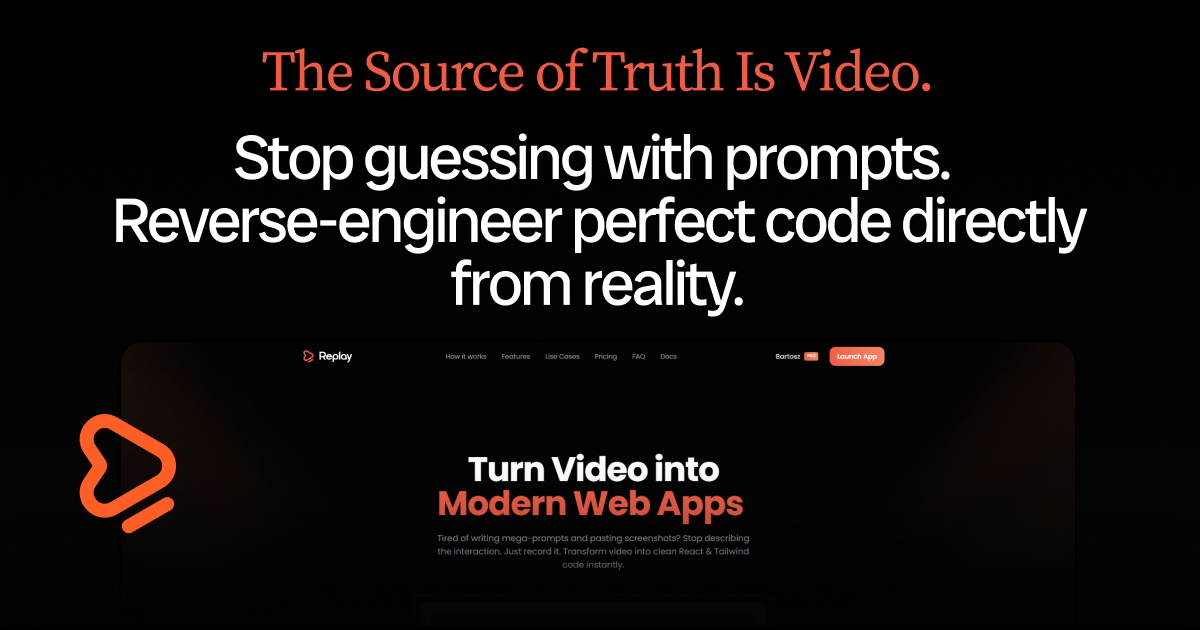
Turn any video into a clean, production-ready UI. Code, structure, interactions and style — rebuilt directly from what's on screen.
Run a free AEO + signal audit for your domain.
AI Answer Engine Optimization (AEO)
List once. Convert intent from live AI conversations without heavy integration.
Legacy system transformation is the strategic process of replacing or modernizing outdated business software with contemporary technology. It involves migrating data, re-engineering applications, and adopting modern architectures like microservices or cloud-native solutions. This process unlocks agility, reduces security risks, and enables new business capabilities for enterprises.
Experts conduct a comprehensive audit of existing systems, documenting technical debt, integration points, and business dependencies to define the modernization scope.
A future-state blueprint is created, selecting appropriate technologies, migration strategies, and defining the data model and integration approach for the new system.
The transformation is implemented in controlled phases, migrating data and functionalities while ensuring business continuity and rigorous testing at each stage.
Replaces monolithic core banking platforms to enable real-time transactions, open banking APIs, and enhanced compliance with financial regulations.
Modernizes patient record systems and hospital management software to improve interoperability, data security, and telehealth service delivery.
Transforms legacy ERP and MES systems to integrate IoT data, optimize inventory, and enable predictive maintenance on the factory floor.
Updates policy administration and claims processing systems to accelerate underwriting, automate workflows, and improve customer self-service portals.
Migrates from on-premise commerce platforms to scalable cloud solutions that support omnichannel sales, personalization, and global expansion.
Bilarna evaluates every legacy system transformation provider against a proprietary 57-point AI Trust Score. This assessment covers technical expertise, project delivery track records, client reference checks, and compliance with security standards like ISO 27001. Bilarna's continuous monitoring ensures all listed partners maintain high service quality and reliability for your critical modernization projects.
The primary benefits include significantly reduced maintenance costs, enhanced system security against modern threats, and improved operational agility. Modernized systems also enable faster integration with new technologies and provide a better user experience for both employees and customers.
Project timelines vary from 6 to 24 months, depending on system complexity, data volume, and chosen migration strategy. A phased, incremental approach is common to minimize business disruption, with initial milestones often delivered within the first quarter.
Costs typically range from $250,000 for mid-size applications to several million for enterprise-wide core system overhauls. Key cost drivers include the scope of functionality, data migration complexity, required custom development, and the chosen deployment model (cloud vs. hybrid).
Modernization incrementally updates existing components (like re-hosting or refactoring code), while replacement involves building or buying a completely new system. The choice depends on the technical condition of the legacy software, business requirements, and the strategic value of the existing investment.
Key risks include unexpected technical debt discovery, data corruption during migration, business process disruption, and scope creep. Mitigation involves thorough initial assessment, robust testing protocols, clear change management, and choosing an experienced provider with a proven methodology.
Yes, a Laboratory Information Management System is designed to integrate seamlessly with various software systems and devices. This integration capability allows automatic transfer of test results and other data between the LIMS and external applications, reducing manual data entry and minimizing errors. It supports connectivity with laboratory instruments, billing systems, and other business software, enabling a unified workflow. Users can access test results and invoices from any device, ensuring flexibility and convenience. Such integrations enhance data accuracy, improve operational efficiency, and facilitate better communication across different platforms used within the laboratory environment.
Yes, modern QR code ordering systems are designed to integrate seamlessly with existing POS (Point of Sale) and payment systems. This integration allows orders placed via QR codes to be automatically entered into the restaurant’s POS, ensuring accurate and efficient order management. It also supports various payment gateways, enabling guests to pay online securely and conveniently. Integration helps staff manage orders without changing their usual workflow and supports features like real-time stock updates, upselling prompts, and bill payment options, enhancing overall operational efficiency.
Use an AI phone answering system to manage unlimited simultaneous calls and integrate with reservation platforms. 1. Deploy the system to handle all incoming calls without wait times, even during peak hours. 2. Connect the AI assistant with popular reservation platforms to synchronize bookings. 3. Monitor call analytics and reservation data to optimize customer service. 4. Ensure seamless customer experience by combining call handling and reservation management.
Yes, you can record system audio and use external devices with a Mac screen recorder. Follow these steps: 1. Open your Mac screen recording software. 2. Enable system audio recording in the settings to capture sounds from your computer, such as YouTube videos. 3. Connect external devices like microphones, cameras, or iPhones via USB or wireless connection. 4. Select the external device as the audio or video source in the app. 5. Start recording your screen along with the external audio and video inputs. 6. After recording, export your video with the combined audio and video sources.
Yes, you can use the AI SOAP note tool with any EMR system. Since the tool is web-based, it does not require any integration or IT setup. After generating your SOAP note, simply copy and paste the note into your EMR. This flexibility allows you to use the tool on any device with a browser and switch devices during the day without losing your notes.
Integrate the reusable packaging system with your closed-loop logistics by following these steps: 1. Confirm your existing closed-loop system compatibility. 2. Use the digital platform to manage deposits and returns. 3. Coordinate with recommended logistics partners for storage, shipping, and washing. 4. Choose flexible refund options such as direct bank transfers or event-specific cards. 5. Monitor operations through the integrated system for smooth reuse management.
Yes, data migration from an existing retail management or manual system to a new platform is typically supported through specialized tools and services. Many providers offer free, expert-assisted migration for key data like products, customers, and suppliers, transforming it into a compatible format. For businesses using manual methods like spreadsheets, direct import functionality is often available through a server version of the platform, allowing data upload from common file types. This process enables merchants to preserve their historical data and operational records without starting from scratch, ensuring a smooth transition. It is advisable to review the specific migration details and supported data types on the platform's official documentation before initiating the transfer.
No programming skills are required to integrate a production monitoring system with your existing factory software. Many systems offer user-friendly tools such as Excel order upload features that allow you to input data without any coding. If you prefer a direct connection between your existing systems and the monitoring platform, professional setup services are often available to handle the integration for you. The system is designed to be configured and adjusted through simple interfaces, eliminating the need for in-house programming resources or technical expertise.
No changes to your phone system are required. Follow these steps: 1. Keep your current phone system unchanged. 2. Forward calls that ring more than 4 times or occur after hours to the service. 3. No phone tree or system modifications are needed.
Visitors do not need to download an app to use the reusable packaging system. Follow these steps: 1. Participate using the existing digital or scanning system provided at the venue. 2. Return reusable packaging by scanning it through the system’s interface. 3. Receive refunds directly via bank transfer or designated cards without additional software. 4. Return multiple items in one transaction using batch scanning. 5. Enjoy a hassle-free experience without app installation.