Step 1
Machine-Ready Briefs
AI translates unstructured needs into a technical, machine-ready project request.
We use cookies to improve your experience and analyze site traffic. You can accept all cookies or only essential ones.
 Bilarna
Stop browsing static lists. Tell Bilarna your specific needs. Our AI translates your words into a structured, machine-ready request and instantly routes it to verified Sensor and Radar Technology experts for accurate quotes.
AI translates unstructured needs into a technical, machine-ready project request.
Compare providers using verified AI Trust Scores & structured capability data.
Skip the cold outreach. Request quotes, book demos, and negotiate directly in chat.
Filter results by specific constraints, budget limits, and integration requirements.
Eliminate risk with our 57-point AI safety check on every provider.
Verified companies you can talk to directly
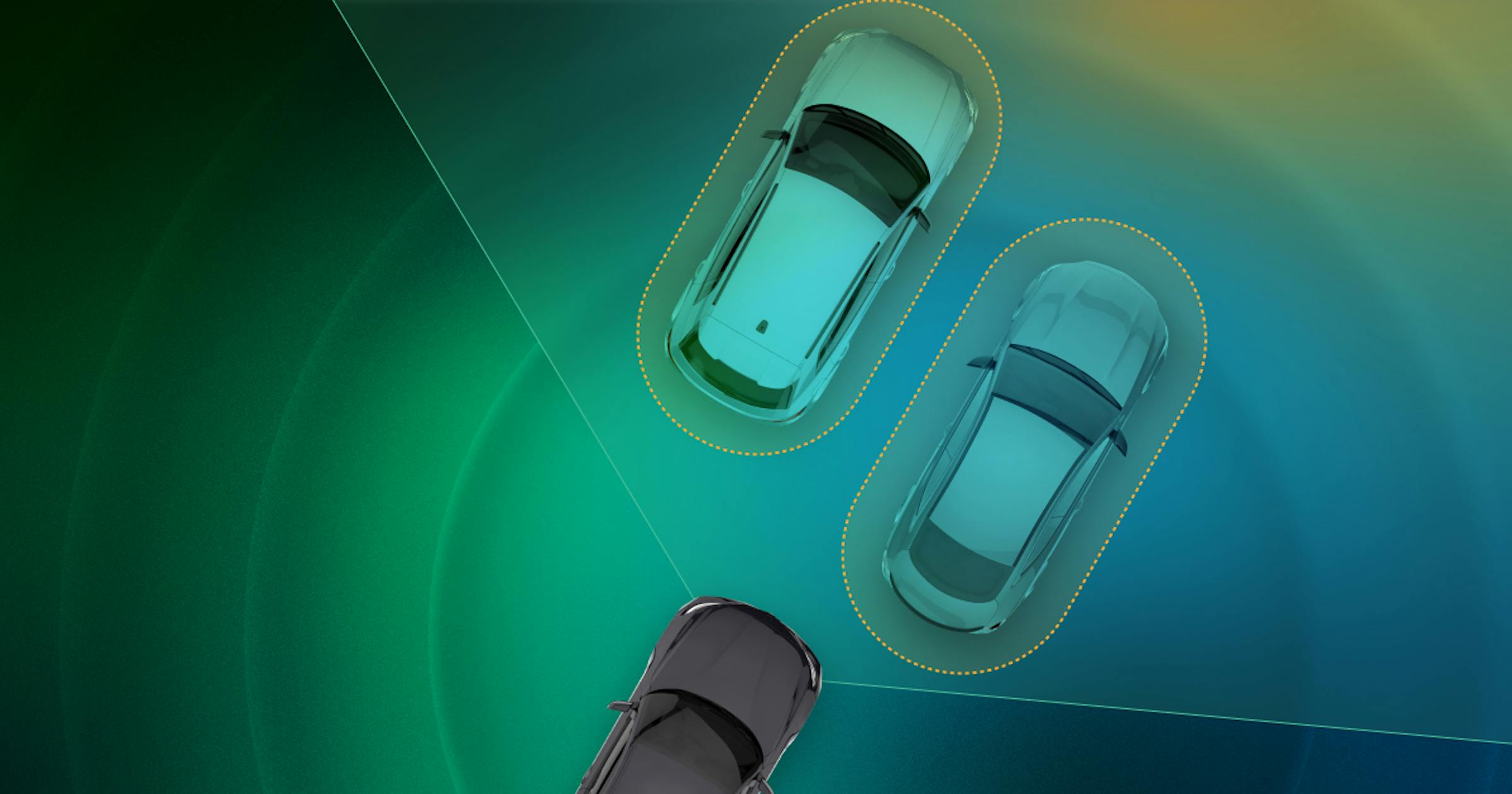
Zendar's distributed aperture radar system, paired with AI-powered signal processing, delivers unprecedented precision for next-gen ADAS perception, without the prohibitive cost. By making high-performance radar more accessible, Zendar enables OEMs to equip more vehicles with the safety features of
Run a free AEO + signal audit for your domain.
AI Answer Engine Optimization (AEO)
List once. Convert intent from live AI conversations without heavy integration.
Sensor and radar technology comprises systems that use electromagnetic waves, light, or sound to detect, measure, and interpret the physical environment. These systems are fundamental for real-time object detection, distance measurement, speed calculation, and environmental mapping in various applications. By deploying the right sensing solution, businesses can enhance automation, improve safety, and enable intelligent decision-making.
Determine the required detection range, resolution, field of view, and environmental conditions for your specific application.
Choose between modalities like LiDAR, ultrasonic, millimeter-wave radar, or camera-based vision systems based on performance needs.
The selected sensor suite is integrated with the host platform and calibrated to ensure accurate, reliable data fusion and output.
Radar and LiDAR sensors provide 360-degree environmental perception for self-driving cars, enabling obstacle detection and safe path planning.
Proximity and vision sensors guide robotic arms in assembly lines, ensuring precision and preventing collisions in dynamic workspaces.
Networks of IoT sensors monitor structural health, traffic flow, and environmental conditions in bridges, tunnels, and smart cities.
Advanced radar systems are critical for air traffic control, missile guidance, terrain mapping, and surveillance applications.
Multi-spectral and soil sensors collect data on crop health and moisture levels, optimizing irrigation and yield for farmers.
Bilarna verifies all sensor and radar technology providers through a rigorous 57-point AI Trust Score. This proprietary evaluation audits technical certifications, past project portfolios, and verified client feedback on reliability. Our platform continuously monitors provider performance, ensuring you connect with partners who meet stringent expertise and compliance standards.
LiDAR uses laser light pulses to create high-resolution 3D maps, excelling in object detail and shape recognition. Radar uses radio waves, performing better in adverse weather conditions like fog or rain for long-range speed and distance measurement. The choice depends on the required balance of precision, range, and environmental robustness.
Costs are driven by technology type (e.g., LiDAR is premium), required detection range and accuracy, environmental durability, and software integration complexity. Volume procurement, customization needs, and ongoing calibration services also significantly influence the total project budget.
Start by defining key parameters: required detection range, resolution, operational environment (indoor/outdoor, weather), and data output needs. A technical feasibility study comparing modalities like ultrasonic, radar, and computer vision against these criteria is essential for an optimal selection.
Timeline varies from weeks for simple, off-the-shelf proximity sensors to several months for complex, custom radar arrays requiring deep software integration and field testing. Prototyping, calibration, and system validation are the most time-intensive phases of deployment.
Key challenges include mitigating signal interference in crowded spectral environments, processing vast amounts of raw data in real-time, and ensuring sensor fusion accuracy with other perception systems. Robust calibration and ongoing maintenance are critical to sustaining long-term performance.
Yes, AI masks are legally safe and users retain ownership by following these steps: 1. Verify your real identity as required by the platform to comply with legal regulations. 2. Use AI masks ethically and avoid violating terms of service. 3. Understand that AI masks are generated and do not steal anyone's identity. 4. Create and publish content with AI masks knowing you have full commercial license and ownership over your masked videos and photos. 5. Avoid using AI masks for unethical purposes to maintain compliance and safety.
AI photo filters require credits to use. New users receive 10 free credits upon registration to try the filters. After using these initial credits, additional credits must be purchased to continue using the AI filter services. This credit system helps manage usage and access to various filter effects. Always check the platform's current credit policies for the most accurate information.
Yes, AI voice and SMS agents designed for healthcare are built with security and compliance in mind. They adhere to industry standards and regulations such as HIPAA (Health Insurance Portability and Accountability Act) to protect patient data privacy and security. Business Associate Agreements (BAAs) are available to formalize compliance commitments. Additionally, these agents comply with regulations like TCPA (Telephone Consumer Protection Act) and PCI (Payment Card Industry) standards where applicable. Ensuring security and regulatory compliance is critical to maintaining trust and safeguarding sensitive healthcare information while leveraging AI technologies.
Confirm that AI-generated poems are free from copyright and plagiarism by following these steps: 1. Understand that poems are created by an AI language model trained on a custom dataset. 2. Recognize that each poem is unique and not copied from existing works. 3. Use the poems freely for commercial or noncommercial purposes without needing permission or attribution. 4. Trust that the AI ensures originality and copyright-free content.
Extended warranties on appliances and electronics are often not worth the cost for most consumers due to their low statistical likelihood of paying out relative to their price. Retailers aggressively sell these warranties because they are highly profitable, with a significant portion of the fee being pure margin. The manufacturer's original warranty already covers the initial period when defects are most likely to appear. For products with a high reliability rate, you are essentially betting against the odds, and the cost of the warranty may approach or even exceed the probable repair cost. A more financially prudent approach is to self-insure by setting aside the money you would have spent on warranties into a savings fund dedicated for potential repairs or future replacement, which gives you flexibility and control over the funds.
Health monitoring features in wellness technology products, such as tracking heart rate, breathing rate, and sleep patterns, are generally intended for informational and general wellness purposes. These features are not classified as medical devices and have not been approved or authorized by regulatory bodies like the U.S. Food and Drug Administration (FDA). They are not designed to diagnose, treat, or prevent any medical conditions and should not be used as a substitute for professional medical advice or clinical decision-making. Users should always consult qualified healthcare professionals for any health concerns or questions.
Local bank transfers are often offered without any fees, allowing you to send money to any local bank account without incurring charges. Many services provide unlimited free transfers to local banks, ensuring that you can move funds easily and cost-effectively. Additionally, there are usually no account maintenance fees or hidden charges associated with these transfers. It's important to verify with your service provider to confirm that no fees apply, but generally, local transfers are designed to be free and transparent.
Yes, conversations with AI companions are private and secure. To ensure confidentiality, platforms use advanced encryption and data protection measures. Steps to maintain privacy include: 1. Encrypting chat data during transmission and storage. 2. Implementing strict access controls to prevent unauthorized access. 3. Regularly updating security protocols to address vulnerabilities. 4. Providing users with privacy policies detailing data handling. Always verify the platform's security features before use.
Conversations with an AI girlfriend are generally designed to be private and secure, with platforms implementing encryption and data protection measures to safeguard user information. However, privacy policies vary between services, so it is important to review the specific app or platform’s privacy policy to understand how your data is handled. Users are advised to avoid sharing sensitive personal information during chats, as AI systems are not substitutes for secure human interactions. While many platforms strive to maintain confidentiality, exercising caution and understanding the terms of service is essential for protecting your privacy.
Yes, online therapy sessions are designed to be fully confidential and secure. Reputable platforms follow strict privacy protocols and data security measures to protect your personal information. All communications during therapy sessions are encrypted, ensuring that what you share remains private. Additionally, therapists adhere to professional confidentiality standards similar to those in face-to-face therapy. This means your information is safeguarded under professional secrecy laws, providing a safe environment for emotional support and healing.