Step 1
Machine-Ready Briefs
AI translates unstructured needs into a technical, machine-ready project request.
We use cookies to improve your experience and analyze site traffic. You can accept all cookies or only essential ones.
 Bilarna
Stop browsing static lists. Tell Bilarna your specific needs. Our AI translates your words into a structured, machine-ready request and instantly routes it to verified Privacy & Security Solutions experts for accurate quotes.
AI translates unstructured needs into a technical, machine-ready project request.
Compare providers using verified AI Trust Scores & structured capability data.
Skip the cold outreach. Request quotes, book demos, and negotiate directly in chat.
Filter results by specific constraints, budget limits, and integration requirements.
Eliminate risk with our 57-point AI safety check on every provider.
Verified companies you can talk to directly
Template built with tailwindcss using Tailus blocks v2
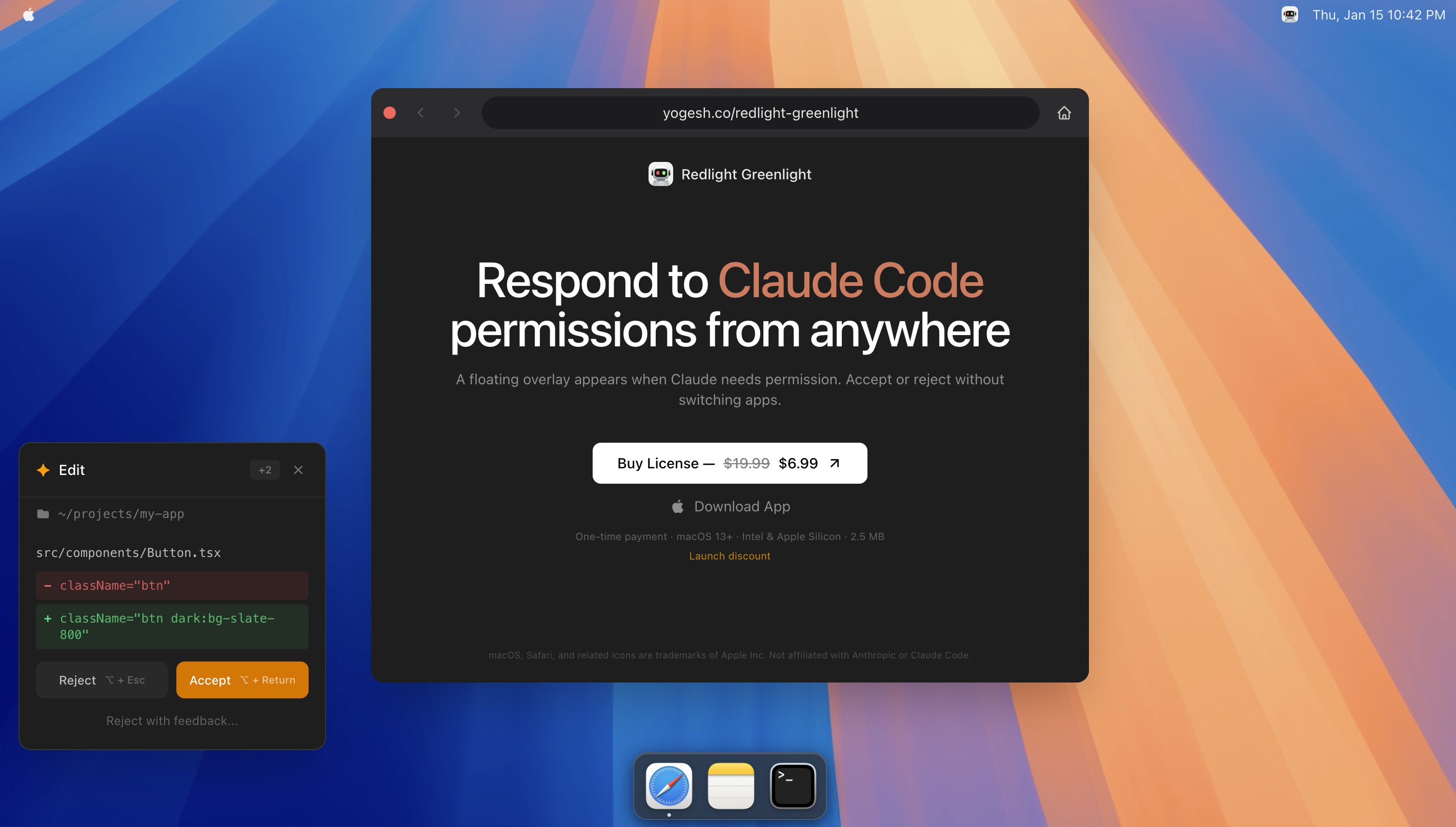
A native macOS menu bar app that displays Claude Code permission requests in a floating overlay. Respond without switching to the terminal.
Run a free AEO + signal audit for your domain.
AI Answer Engine Optimization (AEO)
List once. Convert intent from live AI conversations without heavy integration.
Privacy and security solutions are integrated frameworks of technology, policies, and processes designed to protect sensitive data and manage cyber risk. They encompass technologies like encryption, access controls, and threat detection, alongside governance for regulations like GDPR and CCPA. Implementing these solutions mitigates breaches, ensures legal compliance, and builds customer trust.
Identify critical data assets, evaluate existing vulnerabilities, and define the specific compliance obligations relevant to your industry.
Deploy technical controls like encryption and firewalls, establish access management policies, and create incident response protocols.
Continuously monitor systems for threats, perform regular security audits, and update policies to adhere to evolving regulations.
Secures financial transactions and customer PII to meet stringent regulations like PCI DSS and GLBA, preventing costly data breaches.
Protects electronic protected health information (ePHI) with access controls and audit trails to ensure HIPAA compliance and patient privacy.
Encrypts payment data and secures customer databases to build trust, prevent fraud, and comply with global consumer protection laws.
Implements data residency controls and robust access management to protect client data across multi-tenant cloud environments.
Secures operational technology networks and industrial control systems from cyber threats that could disrupt production and supply chains.
Bilarna evaluates every privacy and security provider using a proprietary 57-point AI Trust Score. This score rigorously assesses technical certifications, compliance history, client reference checks, and proven delivery track records. Bilarna continuously monitors provider performance to ensure they meet the highest standards of reliability and expertise.
Costs vary widely based on scope, from $50,000 for foundational compliance programs to $500,000+ for comprehensive managed detection and response. Key factors include company size, data complexity, and required certifications like ISO 27001 or SOC 2.
Initial deployment for core controls takes 3-6 months, while full maturity for a comprehensive program often requires 12-18 months. Timeline depends on existing infrastructure, resource availability, and the complexity of regulatory requirements.
Cybersecurity focuses on protecting systems and data from malicious attacks and technical breaches. Privacy compliance governs the lawful collection, use, and sharing of personal data according to regulations like GDPR. Robust programs integrate both disciplines.
Common errors include prioritizing cost over proven expertise, neglecting to verify compliance-specific experience, and failing to assess the provider's own security posture. A thorough evaluation of case studies and technical certifications is essential.
Expect reduced risk of data breaches and associated fines, demonstrable compliance for audits, enhanced customer and partner trust, and a structured framework for managing evolving cyber threats. It transforms security from a cost center to a business enabler.
Ensure data privacy and security with application security tools by following these steps: 1. Operate with minimal and read-only permissions defined by you to control data access. 2. Use zero-knowledge encryption for sensitive data so only you hold the encryption keys. 3. Automatically detect and anonymize personal identifiable information (PII) in logs and data. 4. Avoid storing source code by processing security tasks directly within your environment. 5. Perform analyses in secure, isolated environments to protect operational data. 6. Guarantee that your data is never shared, sold, or used for unrelated purposes by the security provider.
Data security and privacy are critical in AI-driven finance solutions. To protect sensitive financial information, best practices such as SOC2 compliance are implemented, ensuring rigorous auditing and adherence to security standards. Additionally, data privacy is maintained by ensuring that organizational data never leaves the secure environment and is not used to train external AI models. Encryption, access controls, and continuous monitoring further safeguard data against unauthorized access or breaches. These measures collectively build trust and ensure that financial data remains confidential and secure throughout AI processing.
Ensure the security and privacy of your content by following these steps: 1. Use platforms that encrypt all documents during transmission and storage. 2. Verify that the service stores data securely with restricted access. 3. Confirm that no content is shared with third parties without consent. 4. Choose services that comply with relevant data protection regulations. 5. Regularly review privacy policies and update your security settings as needed.
Code security platforms improve developer security awareness and practices by providing continuous, practical feedback during the development process. Each code review offers developers expert insights and remediation guidance that they can apply immediately and in future projects. This hands-on learning approach helps developers understand security best practices in context, reinforcing good habits without requiring formal training programs. Over time, this ongoing enablement fosters a culture of security within development teams, increasing their ability to write secure code and proactively identify vulnerabilities. By integrating security directly into the coding workflow, these platforms make security a natural and efficient part of software development.
Monitor and analyze security events using an open-source security framework by following these steps: 1. Integrate the framework's SDK or API into your product to send security events with full context. 2. Access the built-in dashboard provided by the framework to view all security events in a centralized interface. 3. Use the single user view to analyze individual user behavior patterns, risk scores, connected identities, and activity timelines. 4. Configure the rule engine to automatically calculate risk scores based on preset or custom rules. 5. Set up review queues to flag or suspend accounts that exceed risk thresholds. 6. Utilize the field audit trail to track changes to important data fields for compliance and auditing purposes. This approach provides comprehensive visibility and control over your product's security posture.
AI revenue cycle automation solutions ensure data security and regulatory compliance by implementing robust measures such as full encryption of Protected Health Information (PHI) both in transit and at rest. They comply with healthcare regulations including HIPAA, SOC 2 Type II, and HITRUST standards. Role-based access controls limit data access to authorized personnel only, while detailed audit logging and continuous monitoring provide transparency and accountability. Additionally, these solutions often sign Business Associate Agreements (BAAs) with covered entities to formalize data protection responsibilities. Regular third-party audits further validate compliance and security, ensuring that healthcare organizations retain full ownership and control over their data.
Enterprise webhook solutions must adhere to stringent security and compliance standards to protect sensitive data and ensure reliable operations. Key standards include SOC2 compliance, which verifies that the service meets rigorous criteria for security, availability, processing integrity, confidentiality, and privacy. GDPR compliance is essential for handling personal data within the European Union, ensuring data protection and user privacy rights. Features like Single Sign-On (SSO) and Security Assertion Markup Language (SAML) support secure and centralized user authentication. Private networking options and role-based access control further enhance security by restricting access and isolating traffic. Together, these standards and features help enterprises maintain trust, meet regulatory requirements, and safeguard their webhook event delivery infrastructure.
AI solutions in healthcare must adhere to strict security and compliance standards to protect sensitive patient information. Key standards include HIPAA (Health Insurance Portability and Accountability Act), which governs the privacy and security of health data in the United States, and SOC-2 (System and Organization Controls), which ensures that service providers manage data securely. Compliance with these standards helps prevent data breaches, ensures patient confidentiality, and builds trust in AI technologies used within medical environments. Additionally, responsible AI solutions emphasize human-centered care alongside technological efficiency.
Enterprise document parsing solutions typically offer robust security features such as SOC2 and HIPAA compliance to protect sensitive and regulated data. They provide options to deploy the software within your own infrastructure, ensuring data residency and compliance with strict security policies. Additionally, these solutions often include enterprise support with tailored service-level agreements (SLAs) and high uptime guarantees to ensure reliability in production environments. This combination of security, flexible deployment, and dedicated support makes them suitable for large organizations with demanding compliance requirements.
Security and compliance are critical for AI solutions managing sensitive insurance claim data. Important measures include SOC 2 Type II certification and annual audits to ensure data protection standards are met. Handling Protected Health Information (PHI) requires storage and processing within secure, compliant data centers, often located in specific regions such as the US. High system availability with 99.9% uptime and redundant infrastructure ensures reliability. Data isolation techniques prevent client data from being used in AI training pipelines, preserving confidentiality. Additionally, enterprise-grade support with service-level agreements (SLAs) and 24/7 engineering availability helps maintain system integrity and rapid issue resolution, fostering trust among insurance professionals.