Step 1
Machine-Ready Briefs
AI translates unstructured needs into a technical, machine-ready project request.
We use cookies to improve your experience and analyze site traffic. You can accept all cookies or only essential ones.
 Bilarna
Stop browsing static lists. Tell Bilarna your specific needs. Our AI translates your words into a structured, machine-ready request and instantly routes it to verified Customer Data Management Solutions experts for accurate quotes.
AI translates unstructured needs into a technical, machine-ready project request.
Compare providers using verified AI Trust Scores & structured capability data.
Skip the cold outreach. Request quotes, book demos, and negotiate directly in chat.
Filter results by specific constraints, budget limits, and integration requirements.
Eliminate risk with our 57-point AI safety check on every provider.
Verified companies you can talk to directly
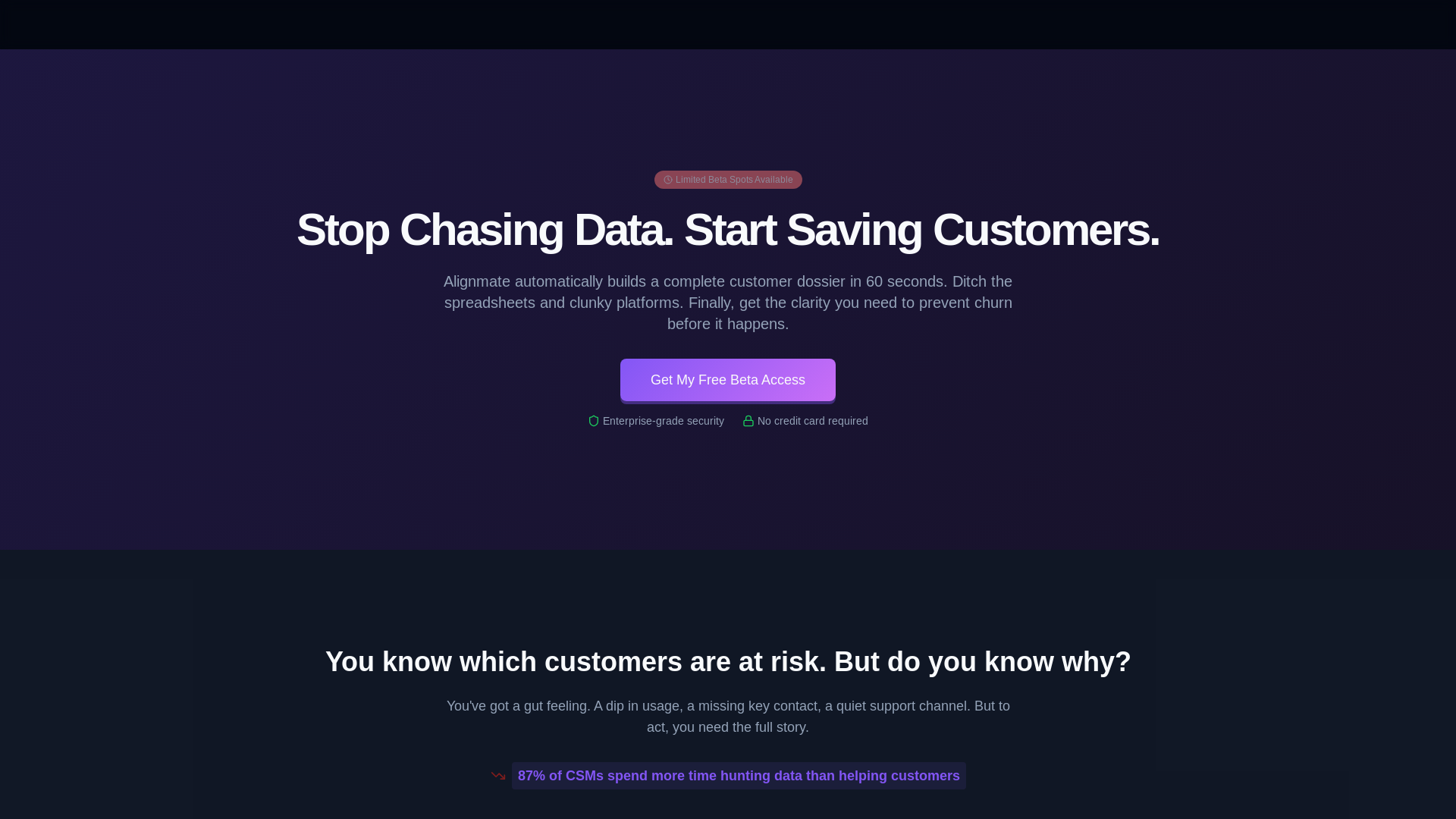
Alignmate automatically builds complete customer dossiers in 60 seconds. Prevent churn before it happens with AI-powered customer insights.
Paximizer: Insight-to-Action CDP for airlines & hospitality. Unlock commercial data potential for revenue growth, better CX, and streamlined operations.

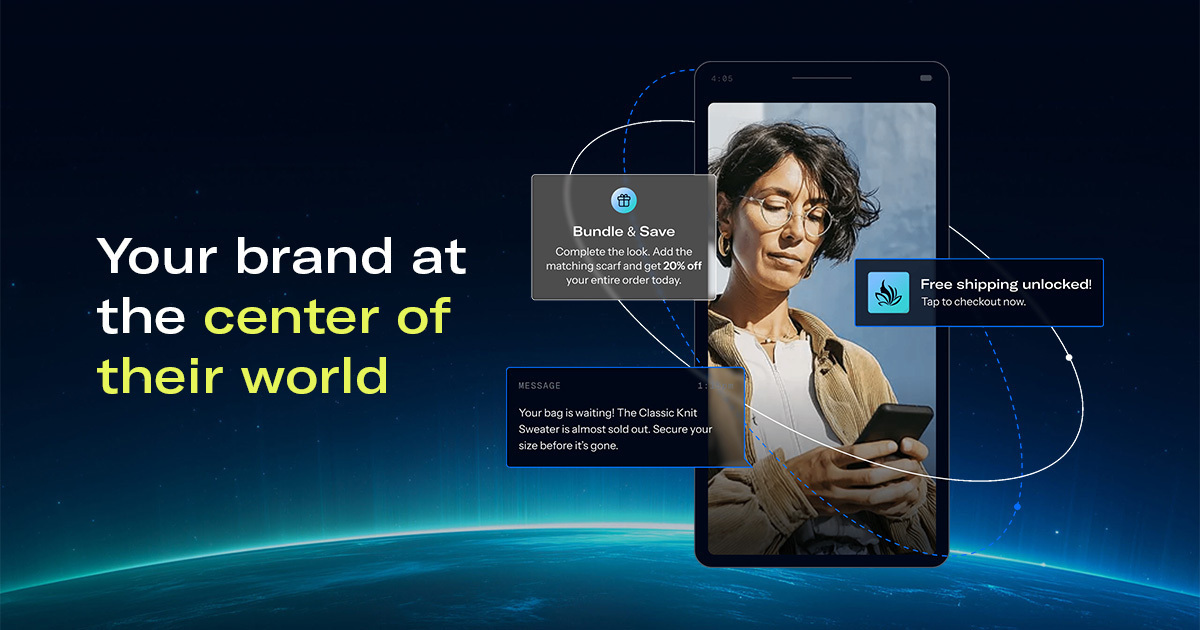
Airship is the only cross-channel customer experience platform purpose-built for mobile-first audiences. Learn more.

MixRank curates the world’s most updated feed of people, companies, and technographic datasets. Receive data updates at hourly rates.

Beau redefines how you manage client-facing processes, bringing smart automation to every document interaction

Zeotap is the AI-powered Customer Data Platform that helps enterprises unlock the true value of their customer data
Run a free AEO + signal audit for your domain.
AI Answer Engine Optimization (AEO)
List once. Convert intent from live AI conversations without heavy integration.
Customer Data Management (CDM) is the systematic practice of collecting, organizing, and utilizing customer information for business decisions and personalized experiences. It encompasses technologies like Customer Data Platforms (CDPs), data integration, and quality management. Effective CDM enhances customer loyalty, optimizes marketing campaigns, and drives data-informed revenue growth strategies.
Organizations establish clear objectives, data collection sources, and governance policies for their customer information to ensure consistency and compliance.
Technologies like CDPs are deployed to integrate data from disparate sources into a unified, analyzable customer profile.
The consolidated data is analyzed for insights to power personalized marketing, sales, and support activities, with ongoing quality control.
Financial institutions leverage CDM to manage customer data for stringent regulatory reporting (e.g., MiFID II, AML) and minimize compliance risks.
Online retailers unify shopping behavior and demographics to create tailored product recommendations and dynamic pricing for higher conversion rates.
SaaS companies analyze usage data and support tickets to identify at-risk customers and execute targeted retention campaigns.
Hospitals integrate patient records and interaction data to coordinate individualized care plans and preventive health communications.
Manufacturers connect customer equipment data with IoT sensors to predict proactive maintenance needs and improve service-level agreements.
Bilarna evaluates Customer Data Management providers using a proprietary 57-point AI Trust Score assessing technical expertise, project delivery, and compliance adherence. Continuous monitoring includes portfolio reviews, client reference validation, and verification of certifications like ISO 27001. This ensures you find only vetted and reliable CDM experts on Bilarna.
Costs for CDM solutions vary significantly based on company size, data volume, and feature scope. Typical licensing models range from monthly SaaS subscriptions starting at $500 to enterprise-wide implementations in the six-figure range. The investment is justified by ROI from improved customer loyalty and operational efficiency.
Evaluate providers based on their expertise in your industry, platform scalability, and compliance capabilities (e.g., GDPR). Key criteria include data integration quality, user-friendliness, and proof of successful project references with measurable outcomes.
Implementation timeline depends on data source complexity and business requirements. Simple cloud-based CDPs can be operational in 4-8 weeks, while comprehensive enterprise solutions with legacy integrations may require 6-18 months of planning and deployment.
A CRM primarily manages sales and service interactions, whereas a Customer Data Platform (CDP) unifies all customer data sources in real-time. The CDP serves as the central data foundation for analytical insights, which then feed into CRM, marketing, and other systems.
Common pitfalls include unclear data governance, insufficient data quality checks, and selecting an inflexible or non-scalable platform. A successful CDM project requires a clear strategy, ongoing data hygiene, and involvement from all relevant departments from the outset.
Invoices are automatically generated for every customer order without additional action. Follow these steps to ensure this feature is active: 1. Access your store dashboard and navigate to the order management or invoice settings. 2. Verify that automatic invoice generation is enabled. 3. Customize invoice templates if needed to include your business details. 4. Save the settings to ensure invoices are created and sent to customers automatically upon order placement.
To understand data upload limits and payment requirements on analytics platforms, follow these steps: 1. Review the platform's account types, such as free and paid plans. 2. Check the data upload limits for each plan; free accounts often have row limits per upload. 3. Determine if a credit card is required for free or paid accounts. 4. Understand the cancellation policy for paid subscriptions, which usually allows cancellation at any time.
Typically, after an initial trial period—often around seven days—business management software platforms do not charge monthly fees or enforce minimum usage requirements. Instead, continued use is contingent upon subscribing to a paid plan. This approach allows users to evaluate the software's features risk-free before committing financially. It is advisable to review the specific pricing details and terms on the provider's official website to understand any conditions related to payment plans, as these can vary between services.
Yes, a digital twin can automate scheduling and customer support by handling routine tasks such as booking meetings and answering frequently asked questions. It operates continuously without breaks, ensuring customers receive timely responses and appointments are managed efficiently. This automation reduces the workload on human staff, minimizes errors, and enhances the overall customer experience by providing consistent and reliable service around the clock.
Yes, a Laboratory Information Management System is designed to integrate seamlessly with various software systems and devices. This integration capability allows automatic transfer of test results and other data between the LIMS and external applications, reducing manual data entry and minimizing errors. It supports connectivity with laboratory instruments, billing systems, and other business software, enabling a unified workflow. Users can access test results and invoices from any device, ensuring flexibility and convenience. Such integrations enhance data accuracy, improve operational efficiency, and facilitate better communication across different platforms used within the laboratory environment.
Use a text expander tool effectively for customer support by following these steps: 1. Create quick-access shortcuts for common responses, troubleshooting guides, and knowledge base links. 2. Use standardized templates to maintain consistent communication tone and style. 3. Insert responses rapidly during multiple ticket handling to improve efficiency. 4. Utilize search features to find saved snippets quickly. 5. Sync shortcuts across platforms to ensure seamless support across devices. This approach reduces response time and enhances customer satisfaction.
Yes, AI customer service platforms are designed to support multilingual communication, often covering over 50 languages. They can automatically translate incoming messages and responses, enabling customer service teams to communicate confidently with a diverse global customer base. This multilingual capability helps maintain consistent brand tone and messaging across different channels and languages. Additionally, intelligent assistance and smart human handover features ensure complex or sensitive cases are escalated to human agents when necessary, preserving service quality regardless of language barriers.
Yes, AI customer support agents are designed to handle complex customer issues by learning and following your specific business processes and rules. They can manage intricate workflows such as order modifications, cancellations, and returns by integrating with your existing systems like Shopify, Magento, or custom APIs. Moreover, these AI agents can be trained to communicate in your brand’s unique tone of voice, ensuring consistent and natural interactions across all customer touchpoints and languages. This human-like communication helps maintain brand identity while providing quick and reliable support. Additionally, you can monitor the AI’s reasoning and continuously provide feedback to improve its responses and actions, making it a dependable assistant for both simple and complex support cases.
Yes, AI dental receptionists can integrate seamlessly with most major practice management systems (PMS) that offer online appointment pages or APIs. This integration allows the AI to book appointments directly into your existing system, pull customer form responses from your CRM, and route calls to the correct clinic and calendar. Such integration ensures that all patient interactions are synchronized with your practice’s workflow, improving efficiency and reducing manual data entry errors.
Yes, AI design engineering tools are designed for seamless integration with existing CAD, BIM, and project management software. This compatibility ensures that engineers can continue using their preferred tools without disrupting established workflows. The integration facilitates data exchange and collaboration, enhancing efficiency and enabling teams to leverage AI capabilities alongside their current systems.