Step 1
Machine-Ready Briefs
AI translates unstructured needs into a technical, machine-ready project request.
We use cookies to improve your experience and analyze site traffic. You can accept all cookies or only essential ones.
 Bilarna
Stop browsing static lists. Tell Bilarna your specific needs. Our AI translates your words into a structured, machine-ready request and instantly routes it to verified Traditional Women's Clothing experts for accurate quotes.
AI translates unstructured needs into a technical, machine-ready project request.
Compare providers using verified AI Trust Scores & structured capability data.
Skip the cold outreach. Request quotes, book demos, and negotiate directly in chat.
Filter results by specific constraints, budget limits, and integration requirements.
Eliminate risk with our 57-point AI safety check on every provider.
Verified companies you can talk to directly
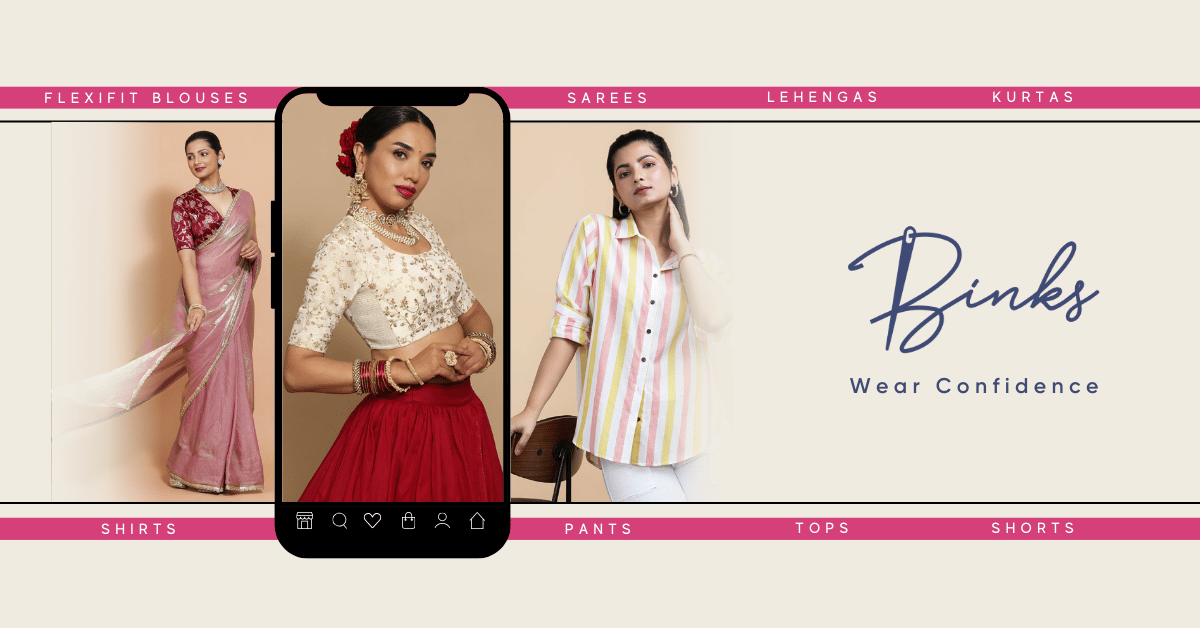
Shop exclusive range of women’s clothing including Saree Blouses, sarees, lehengas, and Kurta Pant Sets at best prices. Order online & avail free shipping.
Run a free AEO + signal audit for your domain.
AI Answer Engine Optimization (AEO)
List once. Convert intent from live AI conversations without heavy integration.
Traditional clothing for women encompasses culturally specific garments, fabrics, and accessories designed and worn according to longstanding regional customs and heritage. These items are produced using specialized techniques and materials that reflect a community's identity, history, and social values. For businesses, sourcing authentic traditional attire ensures product integrity, supports cultural preservation, and meets the demands of a conscious, heritage-focused consumer market.
Define the specific cultural origin, garment type, fabric authenticity, and symbolic elements required for your collection or project.
Connect with suppliers and workshops that possess verified expertise in the traditional crafting techniques and materials needed.
Implement quality control and verification processes to guarantee the cultural accuracy and craftsmanship of the final garments.
Stock authentic heritage wear for boutiques or online platforms catering to diaspora communities and cultural enthusiasts.
Provide uniforms or performance costumes for cultural events, hotels, and tourist attractions to create an immersive experience.
Source period-accurate and culturally specific costumes for historical dramas, documentaries, and advertising campaigns.
Procure high-quality traditional attire as corporate gifts or for international delegations to honor cultural partnerships.
Acquire or commission reproductions of traditional garments for exhibitions, educational programs, and archival collections.
Bilarna evaluates traditional clothing providers using a proprietary 57-point AI Trust Score that analyzes their craftsmanship authenticity, material sourcing, and cultural expertise. We verify each supplier's portfolio of work, client references for reliability, and adherence to ethical production standards. This rigorous screening ensures you connect with partners who deliver genuine, high-quality cultural garments.
Costs vary significantly based on craftsmanship complexity, material quality (e.g., silk, handwoven textiles), and ornamentation. Simple mass-produced items may start at a modest price, while bespoke, artisan-made haute couture pieces can represent a major investment.
Prioritize suppliers with proven cultural authenticity, transparency in material sourcing, and mastery of specific techniques like embroidery or weaving. Assess their production capacity, ethical compliance, and ability to provide certificates of origin for materials.
Lead times depend on design complexity and artisan workload. Standard orders may take weeks, while intricate, handcrafted custom pieces can require several months from design consultation to final delivery.
Traditional clothing refers to garments tied to specific historical and cultural practices of a region or community. Ethnic clothing is a broader term often used to describe styles associated with a particular ethnic group, which may include both traditional and modernized fashion interpretations.
Work with suppliers deeply embedded in the culture, who use correct patterns, symbols, and construction methods. Request documentation on design provenance and prefer artisans who are recognized within their community for preserving authentic techniques.