Step 1
Machine-Ready Briefs
AI translates unstructured needs into a technical, machine-ready project request.
We use cookies to improve your experience and analyze site traffic. You can accept all cookies or only essential ones.
 Bilarna
Stop browsing static lists. Tell Bilarna your specific needs. Our AI translates your words into a structured, machine-ready request and instantly routes it to verified Product Sourcing Solutions experts for accurate quotes.
AI translates unstructured needs into a technical, machine-ready project request.
Compare providers using verified AI Trust Scores & structured capability data.
Skip the cold outreach. Request quotes, book demos, and negotiate directly in chat.
Filter results by specific constraints, budget limits, and integration requirements.
Eliminate risk with our 57-point AI safety check on every provider.
Verified companies you can talk to directly
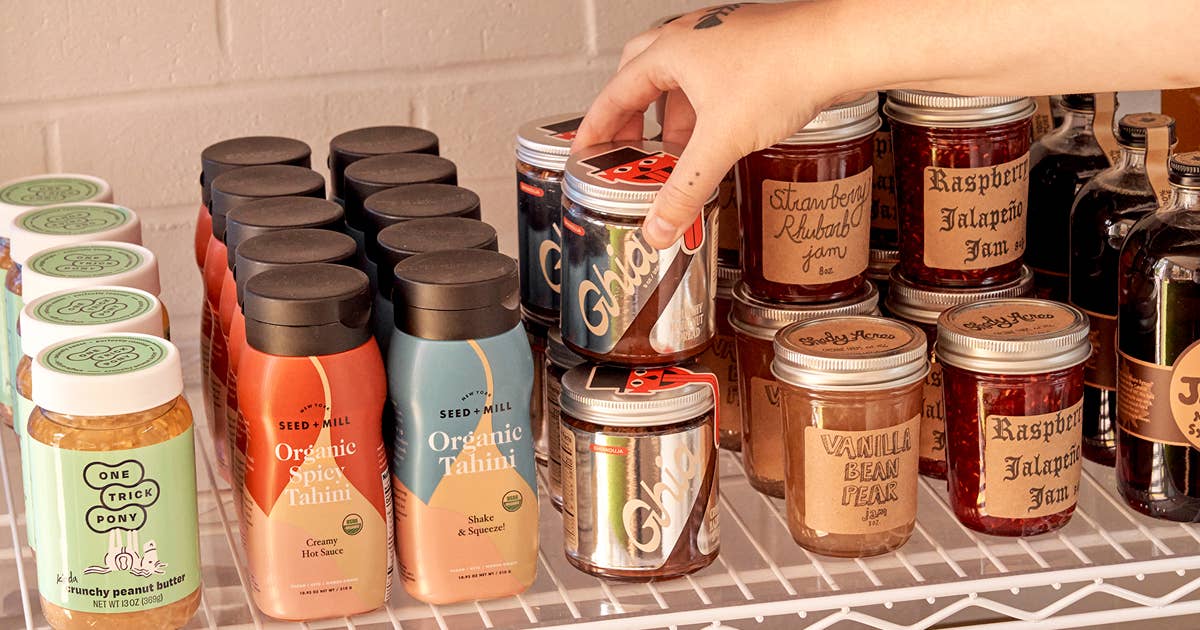
Faire is the platform connecting thousands of brands and retailers worldwide.
Run a free AEO + signal audit for your domain.
AI Answer Engine Optimization (AEO)
List once. Convert intent from live AI conversations without heavy integration.
Product sourcing is the systematic process of identifying, vetting, and establishing contractual agreements with suppliers to procure goods. It involves rigorous analysis of supplier capabilities, pricing structures, quality standards, and logistical reliability. Effective sourcing secures supply chain resilience, cost optimization, and consistent product quality for businesses.
Companies establish detailed specifications for materials, components, quality standards, and compliance certifications required for production.
Potential manufacturing partners are screened for financial stability, production capacity, ethical compliance, and quality control systems.
Final agreements are negotiated on pricing, payment terms, delivery schedules, and intellectual property protection before engagement.
Securing reliable suppliers for microchips, PCBs, and specialized components to prevent production delays and ensure product integrity.
Sourcing raw ingredients and packaging materials that meet stringent safety, sustainability, and branding requirements for market success.
Identifying textile mills and manufacturing facilities that deliver on ethical labor practices, material quality, and design specifications.
Procuring precision-engineered parts and subsystems from certified suppliers to meet rigorous safety and performance standards.
Vetting suppliers for biocompatible materials and sterile components under strict regulatory frameworks like ISO 13485 and FDA guidelines.
Bilarna assesses every provider using a proprietary 57-point AI Trust Score, evaluating expertise, reliability, and client satisfaction. Our verification includes deep portfolio analysis, reference checks, and compliance audits against industry standards. This continuous monitoring ensures you connect only with rigorously vetted sourcing specialists.
Costs vary based on project complexity, material type, and order volume but typically include unit costs, tooling fees, and quality inspection charges. Most providers operate on a per-project or retainer model, with detailed quotes provided after requirement analysis.
A full sourcing cycle, from requirement definition to supplier contract, typically takes 4 to 12 weeks. Timelines depend on material scarcity, supplier location, and the depth of due diligence required for compliance and quality assurance.
Product sourcing is a strategic, end-to-end process focused on finding and vetting new suppliers for specific components or materials. Traditional procurement typically involves transactional purchasing from an established vendor list, with less emphasis on supplier discovery and qualification.
Prioritize partners with proven industry experience, robust quality control certifications, transparent supply chain visibility, and strong financial health. Evaluate their communication protocols, problem-solving track record, and adherence to ethical and environmental standards.
Primary risks include supply chain disruption, quality inconsistencies, and geopolitical instability. Mitigation involves multi-source strategies, rigorous upfront supplier audits, enforceable contract clauses, and continuous performance monitoring throughout the partnership.
Yes, cheap Windows product keys from reputable online retailers can be legitimate and safe, provided they are sourced from verified channels. These sellers typically obtain surplus or volume license keys from legitimate distributors, making them genuine Microsoft licenses at a lower cost. The key safety indicators include the seller providing a money-back guarantee, offering instant email delivery of the key, and having clear customer support for activation issues. It is crucial to avoid keys sold at prices that seem too good to be true, as these may be unauthorized or volume license violations. A legitimate key will activate your Windows or Office software permanently and grant access to all official updates and features from Microsoft without legal risk.
Yes, AI background generators can significantly improve the visual appeal of furniture product images. By automatically creating or replacing backgrounds, these tools help highlight the furniture in a more attractive and professional setting. They can simulate various environments, lighting conditions, and styles that complement the product, making images more engaging for potential customers. This enhancement can boost online sales and marketing effectiveness by presenting furniture products in a visually compelling way without the need for costly photoshoots or complex 3D renders.
Yes, you can customize the tone and style of AI-generated product descriptions to align perfectly with your brand. Follow these steps: 1. Generate the initial product description using the AI tool. 2. Access the editing options to adjust tone, style, and formatting. 3. Fine-tune the language to reflect your brand’s voice and personality. 4. Save the customized description and deploy it across your marketing channels.
Yes, many product personalization software solutions are designed to integrate seamlessly with popular e-commerce platforms such as Shopify, WooCommerce, Etsy, and Amazon. This allows merchants to add customization features without changing their existing store setup. Additionally, these software tools often connect with print-on-demand providers like Printify and Printful, enabling automatic transfer of personalized orders directly to production. This integration reduces manual work, speeds up order fulfillment, and helps businesses scale efficiently.
Yes, the product import tool supports multiple languages. To translate a product listing: 1. Set your preferred language in the tool's settings. 2. Import the product from the supplier website. 3. The tool will automatically translate all product details, descriptions, and images into the selected language. 4. Review the translated content before publishing. 5. If your language is not available, contact support to request its addition.
A branding and 3D video studio can help promote your product effectively by creating a strong market position through storytelling and visual impact. Steps: 1. Analyze your target audience and market to tailor the branding strategy. 2. Develop a compelling brand story that resonates with your audience. 3. Produce high-quality 3D videos and visuals that showcase your product's features. 4. Use the branding and videos across marketing channels to increase visibility and engagement. 5. Measure the impact through metrics like brand awareness and customer response to optimize future campaigns.
A browser extension designed for live product demos can significantly enhance their effectiveness by providing real-time presenter notes that guide the sales team on what to say during the demonstration. This ensures that every demo is consistent and aligned with the company's messaging, regardless of the presenter's experience level. The extension can synchronize talking points with the current view of the application, offering contextually relevant information that helps address customer questions promptly. Additionally, it allows seamless integration of various collateral such as slides, videos, and graphics, enabling a dynamic Tell-Show-Tell approach that keeps prospects engaged. By reducing the cognitive load on presenters and automating access to organizational knowledge, the extension helps convert demos into sales more efficiently and shortens the sales cycle by minimizing the need for follow-up calls.
A design studio supports product development by providing expertise in visual and functional design that enhances the user experience and market appeal. They collaborate with product teams to create prototypes, refine aesthetics, and ensure usability. By integrating user feedback and industry trends, design studios help shape products that are not only visually attractive but also practical and user-friendly. Their involvement can reduce development time and costs by identifying potential design issues early and offering innovative solutions that align with business objectives.
A digital product studio accelerates business innovation by introducing a structured, user-centric methodology that rapidly transforms ideas into testable prototypes and viable products. They speed up the innovation process, particularly in experimenting with new businesses and products, by providing dedicated, highly talented teams that focus on execution. Their approach involves challenging clients to think differently, conducting user research with stakeholders like delivery drivers and restaurants to uncover transformative insights, and using techniques like collaborative whiteboarding sessions to generate breakthrough ideas. This external perspective and specialized expertise in user experience design help companies move faster than internal teams typically can, turning concepts into functional catalogs or services with remarkable speed while ensuring the solutions are deeply aligned with user needs and market opportunities.
A field sales partner improves a product's retail presence and compliance by deploying expert teams to manage in-store execution directly. They ensure products are correctly listed, priced, and stocked on shelves according to retailer agreements, which is fundamental for compliance. To enhance presence, they create and implement eye-catching, effective in-store displays and merchandising solutions that attract consumer attention and drive impulse purchases. Their teams conduct regular store visits to audit stock levels, correct out-of-stocks, and reposition products for optimal visibility. Furthermore, they provide ongoing training and insights to retail staff, ensuring they have the product knowledge to advocate for the brand and maintain display standards. This hands-on, data-informed management at the point of sale is crucial for maximizing availability and capturing sales opportunities.