Step 1
Machine-Ready Briefs
AI translates unstructured needs into a technical, machine-ready project request.
We use cookies to improve your experience and analyze site traffic. You can accept all cookies or only essential ones.
 Bilarna
Stop browsing static lists. Tell Bilarna your specific needs. Our AI translates your words into a structured, machine-ready request and instantly routes it to verified E-commerce Web Development experts for accurate quotes.
AI translates unstructured needs into a technical, machine-ready project request.
Compare providers using verified AI Trust Scores & structured capability data.
Skip the cold outreach. Request quotes, book demos, and negotiate directly in chat.
Filter results by specific constraints, budget limits, and integration requirements.
Eliminate risk with our 57-point AI safety check on every provider.
Verified companies you can talk to directly
professional dynamic website design and development company, REVE IT - 01716988339 also provide e-commerce website, professional graphics design and photography service from Dhaka Bangladesh. as one of the leading IT company in Bangladesh providing support since 2009


Sumtechnologies is one of the most effective Web Design Company in Dubai Established in 2001 by an expert team of industry-experienced designers, programmers and online marketing professionals.
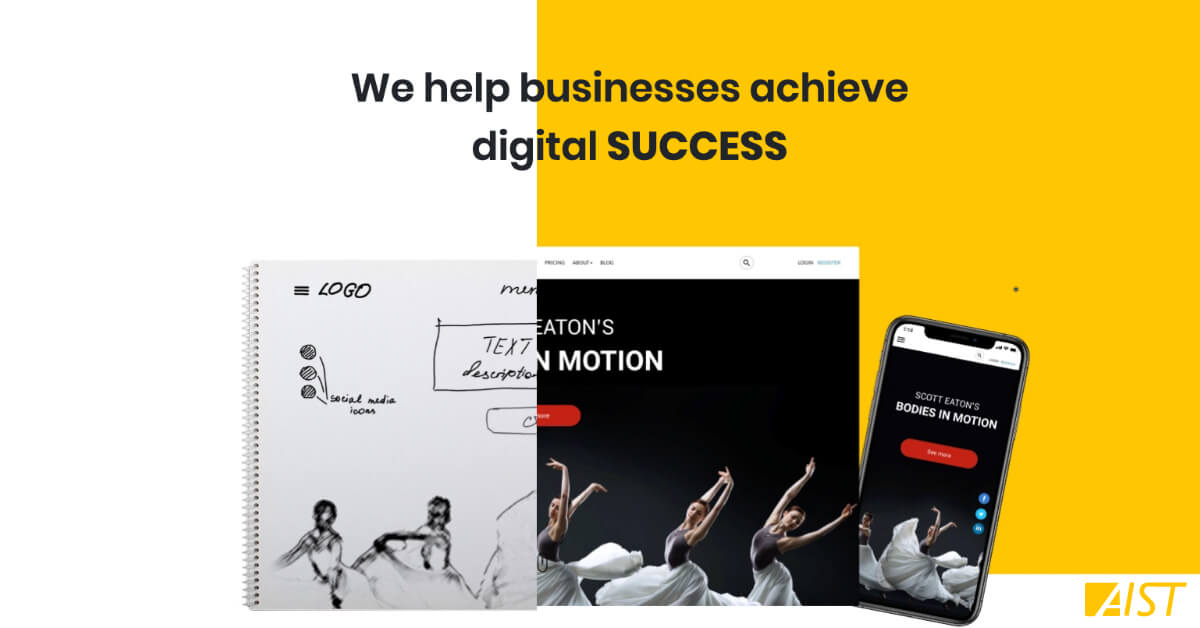
AIST Global is an App / Web Design and Development Company that provides high-tech services tailored to the client and end-user needs.

TEDMOB is the best Web and Mobile App Development company based in Lebanon specialized in Web Design and Development, Mobile Apps Development, UI/UX design, Website Development, E-Commerce, Mobile applications, SEO, SEM, Telecom & Loyalty solutions
Run a free AEO + signal audit for your domain.
AI Answer Engine Optimization (AEO)
List once. Convert intent from live AI conversations without heavy integration.
E-commerce web development is the specialized process of building custom software for online buying and selling. It involves integrating core features like product catalogs, secure payment gateways, and shopping carts into a functional digital storefront. This technical foundation directly drives increased online sales, enhances customer experience, and ensures secure transactions for businesses.
Businesses outline their specific platform needs, desired integrations, target audience, and functional scope for the online store.
Developers build the front-end storefront and back-end architecture, integrating payment processors, inventory systems, and security protocols.
The finalized e-commerce site undergoes rigorous testing before launch, followed by ongoing performance monitoring and technical optimization.
Build a branded digital storefront to control the customer journey, manage margins, and collect first-party data directly from end-users.
Develop complex portals with tiered pricing, bulk ordering, custom quote generation, and integration with enterprise procurement systems.
Create a unified commerce platform that synchronizes inventory and sales data across physical stores, online marketplaces, and the brand's own website.
Engineer a recurring revenue platform with sophisticated subscription management, billing cycles, and personalized customer portal functionality.
Develop a multi-vendor platform for selling digital goods like software, e-books, or courses, with automated delivery and license management.
Bilarna pre-screens all e-commerce development partners using a proprietary 57-point AI Trust Score. This score evaluates technical expertise through portfolio reviews, proven delivery track records, and verified client testimonials. Bilarna continuously monitors providers for performance consistency and compliance with modern security and data privacy standards.
Costs vary significantly based on scope, from $10,000 for a basic custom store to $100,000+ for complex enterprise platforms. Factors include custom functionality, third-party integrations, design complexity, and the project's overall scale. A detailed requirements document is essential for providers to give an accurate quote.
Platforms like Shopify offer templated, out-of-the-box solutions ideal for simpler stores. Custom e-commerce development builds a unique platform from the ground up, providing full control over features, scalability, and complex business logic. Custom development is necessary for highly specific workflows or integrating with bespoke backend systems.
A typical custom e-commerce project timeline ranges from 3 to 6 months for a minimum viable product (MVP). Complex enterprise platforms with advanced integrations can take 9 to 12 months or longer. The timeline depends directly on the defined feature set, discovery phase depth, and availability of client resources for feedback.
Key selection criteria include proven experience in your industry, a strong portfolio of past projects, their technical stack expertise, and clear communication processes. Additionally, evaluate their approach to post-launch support, maintenance, and their ability to scale the platform as your business grows.
Common mistakes include underestimating the importance of mobile optimization, neglecting site speed performance, and implementing a poor user checkout flow. Other pitfalls are failing to plan for scalability from the start and not allocating sufficient budget for ongoing security updates and platform maintenance.
Yes, governments often offer grants and financial support programs to subsidize custom software development for businesses. These programs aim to enhance productivity and digital capabilities. Common types include productivity grants that cover a significant percentage of qualifying IT solution costs, including custom software. There are also enterprise development grants focused on upgrading overall business capabilities, where software development is an eligible activity. Furthermore, specific grants exist for startups developing innovative technologies and for projects involving collaboration with research institutions. Eligibility typically depends on company size, project scope, and the innovative potential of the software. The application process can be detailed, so consulting with a qualified grant advisor is recommended to navigate requirements and maximize funding potential.
No reputable web design service can guarantee top Google rankings due to the many uncontrollable factors in search engine algorithms. Rankings depend on variables such as geographic location, industry competition, the age and authority of the online presence, and ongoing SEO efforts. Ethical providers focus on implementing best practices like optimizing Google My Business profiles, creating quality content, ensuring mobile responsiveness, and building technical SEO to improve visibility. They commit to continuous optimization and adaptation to algorithm changes rather than making empty promises. While results like increased leads and revenue are common with proper SEO, guarantees are unrealistic because search engines frequently update their criteria and competition evolves.
Yes, automated tests can adapt to changes in dynamically rendered web pages by using AI-based test recording. 1. The AI records tests in plain English, focusing on user interactions rather than fragile HTML structure. 2. It distinguishes between UI changes and simple rendering differences. 3. When the application updates, the tests auto-heal by adjusting to these changes. 4. This ensures tests remain stable and reliable despite dynamic content.
Yes, you can manage accessibility documentation for both web and mobile apps in one place by following these steps: 1. Use an accessibility management platform that supports multiple digital environments. 2. Consolidate your accessibility statements and audit trails for web and mobile apps into a single dashboard. 3. Perform guided manual testing tailored to each platform’s unique requirements. 4. Maintain version control and export options for all documentation. 5. Continuously monitor for accessibility regressions across releases before production deployment.
Yes, local visual web development tools can significantly speed up interface design by providing a user-friendly environment where developers and designers can visually build and modify interfaces. These tools often include drag-and-drop features, real-time previews, and integration with AI to automate coding tasks. Working locally ensures faster performance and better control over the development environment. By reducing the need to write code manually for every change, these tools allow teams to iterate designs quickly, test ideas, and deliver polished interfaces in less time.
Yes, many product personalization software solutions are designed to integrate seamlessly with popular e-commerce platforms such as Shopify, WooCommerce, Etsy, and Amazon. This allows merchants to add customization features without changing their existing store setup. Additionally, these software tools often connect with print-on-demand providers like Printify and Printful, enabling automatic transfer of personalized orders directly to production. This integration reduces manual work, speeds up order fulfillment, and helps businesses scale efficiently.
Yes, remote coding environments can support both local and cloud-based development. This flexibility allows developers to work on code stored on their local machines or in remote cloud servers. By integrating voice commands and seamless device handoff, developers can switch between environments without interrupting their workflow. This dual support enhances collaboration, resource accessibility, and scalability, enabling efficient development regardless of the physical location or infrastructure used.
Yes, sandbox testing environments can seamlessly integrate with existing development workflows and popular CI/CD platforms such as GitHub Actions, GitLab CI, and Jenkins. They provide APIs and CLI tools that enable automated testing of AI agents on every code change or pull request. This integration helps teams catch regressions early, maintain high-quality deployments, and accelerate the development lifecycle by embedding sandbox tests directly into continuous integration pipelines.
Yes, Slashy is designed to be compatible with a variety of web platforms and content management systems (CMS). Its flexible architecture allows it to integrate seamlessly with popular CMSs like WordPress, Joomla, Drupal, and e-commerce platforms such as Shopify or Magento. This integration enables automatic URL management and formatting within the existing website infrastructure, reducing manual work and errors. By supporting multiple platforms, Slashy helps businesses maintain consistent URL structures across different environments, enhancing both SEO and user experience without requiring significant technical adjustments.
Yes, you can absolutely hire a web design company remotely, and the process is streamlined for digital collaboration. The engagement typically begins with a free initial consultation conducted via phone, email, or video call to discuss your project goals, scope, and requirements. The design firm will then develop concepts and drafts, which are shared and reviewed with you online through project management tools or shared platforms. You provide feedback iteratively, and the project evolves through these digital review cycles. The final website is usually presented in a staging environment for your approval before it goes live. This remote model allows businesses to access specialized talent regardless of geographic location, with clear communication channels ensuring the project stays on track from kickoff to launch.