Step 1
Machine-Ready Briefs
AI translates unstructured needs into a technical, machine-ready project request.
We use cookies to improve your experience and analyze site traffic. You can accept all cookies or only essential ones.
 Bilarna
Stop browsing static lists. Tell Bilarna your specific needs. Our AI translates your words into a structured, machine-ready request and instantly routes it to verified Accessible Website Design experts for accurate quotes.
AI translates unstructured needs into a technical, machine-ready project request.
Compare providers using verified AI Trust Scores & structured capability data.
Skip the cold outreach. Request quotes, book demos, and negotiate directly in chat.
Filter results by specific constraints, budget limits, and integration requirements.
Eliminate risk with our 57-point AI safety check on every provider.
Verified companies you can talk to directly
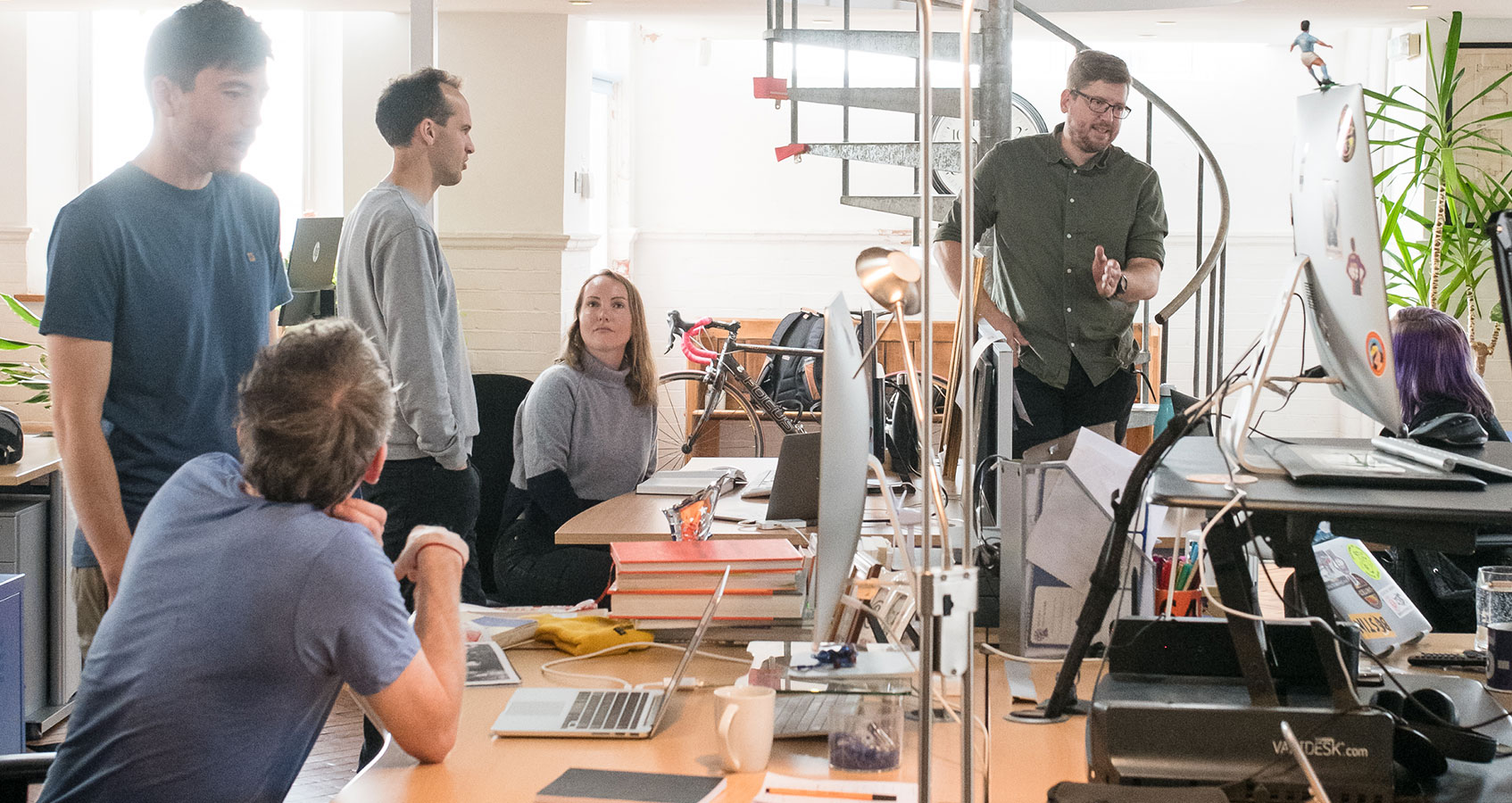
Huxley make Websites that are easy to use, accessible and tested by real people. We help organisations stand out and communicate online.
Run a free AEO + signal audit for your domain.
AI Answer Engine Optimization (AEO)
List once. Convert intent from live AI conversations without heavy integration.
Accessible website design is the practice of creating websites that are usable by people with a wide range of disabilities, including visual, auditory, motor, and cognitive impairments. This involves adhering to established guidelines like the Web Content Accessibility Guidelines (WCAG) to ensure content is perceivable, operable, understandable, and robust. Implementing these principles not only expands your audience but also mitigates legal risk and enhances overall user experience and SEO performance.
Experts use automated tools and manual testing to evaluate your current site against WCAG success criteria, identifying critical barriers for users with disabilities.
Developers fix issues by adding alt text, improving keyboard navigation, ensuring sufficient color contrast, and making multimedia content accessible.
The remediated site undergoes rigorous user testing, often with assistive technologies, to validate and document conformance with targeted WCAG levels.
Ensures all customers, including those using screen readers, can browse products, complete purchases, and access support independently.
Critical for providing equal access to online banking, loan applications, and financial tools, while meeting strict regulatory compliance mandates.
Allows patients with disabilities to schedule appointments, access medical portals, and use telehealth services without barriers.
Mandatory for public institutions to provide inclusive access to information, forms, and services, often under legal requirements like Section 508.
Enables students with disabilities to fully participate in online learning platforms, access course materials, and complete digital assessments.
Bilarna ensures you connect with reputable accessible website design providers through our proprietary 57-point AI Trust Score. This score rigorously evaluates each firm's technical expertise in WCAG standards, proven project history, client satisfaction metrics, and compliance documentation. By leveraging Bilarna's platform, B2B buyers can confidently compare vetted experts who deliver legally defensible and user-centric accessible design.
The WCAG is the internationally recognized standard for web accessibility, developed by the W3C. It provides a framework with success criteria organized under four principles: Perceivable, Operable, Understandable, and Robust. Conformance to levels A, AA, or AAA is the benchmark for legal and technical accessibility compliance.
Beyond being a moral imperative and a legal requirement in many jurisdictions, accessibility expands your market reach to over one billion people with disabilities. It also improves overall site usability, boosts SEO through better code and structure, and significantly reduces the risk of costly litigation and reputational damage.
WCAG levels represent increasing degrees of accessibility. Level A addresses the most basic barriers, Level AA (the most common legal and commercial target) tackles significant barriers for a wider range of disabilities, and Level AAA represents the highest and most complete level of accessibility. Most organizations aim for Level AA conformance.
Accessibility should be tested continuously. A comprehensive audit should be conducted at least annually or after any major website redesign or content overhaul. However, integrating automated testing into your development pipeline and performing regular manual checks is considered best practice to maintain compliance.
Most existing websites can be retrofitted for accessibility without a complete rebuild, though the effort required depends on the site's current state. The process typically involves an audit, followed by targeted remediation of code, content, and design elements. A strategic, phased approach is often the most cost-effective solution.
Yes, ongoing changes and updates to a website are typically included in a standard monthly subscription fee. This service model ensures your site remains functional, modern, and up-to-date without incurring additional one-off costs for modifications. The included updates cover content changes, minor design tweaks, and general maintenance to keep the site running smoothly. This approach provides predictable budgeting and continuous support, allowing you to adapt your site as your business evolves. It is distinct from one-time development projects and focuses on long-term site management.
No reputable web design service can guarantee top Google rankings due to the many uncontrollable factors in search engine algorithms. Rankings depend on variables such as geographic location, industry competition, the age and authority of the online presence, and ongoing SEO efforts. Ethical providers focus on implementing best practices like optimizing Google My Business profiles, creating quality content, ensuring mobile responsiveness, and building technical SEO to improve visibility. They commit to continuous optimization and adaptation to algorithm changes rather than making empty promises. While results like increased leads and revenue are common with proper SEO, guarantees are unrealistic because search engines frequently update their criteria and competition evolves.
Yes, a professional website maintenance company can significantly help improve a site's search engine optimization (SEO). Regular maintenance addresses critical technical factors that search engines prioritize, such as website speed, mobile responsiveness, and overall site health. By performing routine software and plugin updates, the company prevents security vulnerabilities and compatibility issues that can slow down a site or cause errors, both of which negatively impact rankings. Furthermore, maintenance services often include ongoing SEO practices like optimizing page titles and meta descriptions, compressing images for faster load times, conducting performance audits, and ensuring clean, efficient code. By resolving technical issues promptly and keeping the site aligned with evolving search engine algorithms, a maintenance partner creates a strong technical foundation that supports long-term SEO success and helps a business maintain or improve its search visibility.
Yes, AI design engineering tools are designed for seamless integration with existing CAD, BIM, and project management software. This compatibility ensures that engineers can continue using their preferred tools without disrupting established workflows. The integration facilitates data exchange and collaboration, enhancing efficiency and enabling teams to leverage AI capabilities alongside their current systems.
Yes, AI design tools can incorporate local climate and architectural styles to create realistic and practical designs. To do this: 1. Include your location or region in the design prompt when using the AI tool. 2. The AI will tailor plant recommendations, materials, and styles based on local climate conditions and architectural norms. 3. This ensures that the generated designs are context-aware and suitable for your environment. 4. Use this feature to get region-specific designs that blend seamlessly with your home's surroundings and climate requirements.
Yes, AI email tools can be trained with your own documents or website content. 1. Access the AI tool's dashboard or training section. 2. Upload your documents, FAQs, or provide your website URL. 3. The AI will analyze the content to learn your specific information. 4. Use the trained AI to generate personalized and contextually relevant email replies. 5. Monitor character counts to stay within your plan's limits.
Yes, AI-generated 2D action figure images can be used as references for 3D printing or prototype design. Follow these steps: 1. Generate a high-resolution 2D image of the action figure using the AI tool. 2. Use the image as a visual reference to model the figure in 3D design software. 3. Create prototypes or packaging designs based on the 3D model. 4. Proceed with 3D printing or further development using the prototype designs.
Yes, beginners can create professional seamless patterns without prior design experience. 1. Start with free templates provided by the platform. 2. Use AI prompts to guide pattern creation automatically. 3. Extract elements from images with one click for easy pattern building. 4. Experiment with style transfer to apply artistic effects. 5. Export your finished design in professional formats for commercial use.
Yes, dormers can be fully customized to meet your specific design preferences and requirements. They are prefabricated in specialized factories where skilled craftsmen build them according to your exact specifications. This customization includes dimensions, materials, insulation options, and additional features such as solar panels or enhanced waterproofing. The goal is to create a dormer that not only fits perfectly with your home's architecture but also meets your functional needs and aesthetic desires. Custom dormers ensure a unique and personalized addition to your living space, enhancing both comfort and property value.
Yes, you can build a professional-looking website without any coding skills by using modern website builders. These platforms offer user-friendly, intuitive editors with drag-and-drop functionality, allowing you to design your site visually. They provide a variety of stylish, customizable templates that incorporate modern design elements such as galleries, video backgrounds, and media sliders. You can personalize your website with custom colors and add security features like password protection without writing a single line of code. This approach makes website creation accessible to beginners and ensures your site looks polished and professional.