Step 1
Machine-Ready Briefs
AI translates unstructured needs into a technical, machine-ready project request.
We use cookies to improve your experience and analyze site traffic. You can accept all cookies or only essential ones.
 Bilarna
Stop browsing static lists. Tell Bilarna your specific needs. Our AI translates your words into a structured, machine-ready request and instantly routes it to verified Exhibition Stands experts for accurate quotes.
AI translates unstructured needs into a technical, machine-ready project request.
Compare providers using verified AI Trust Scores & structured capability data.
Skip the cold outreach. Request quotes, book demos, and negotiate directly in chat.
Filter results by specific constraints, budget limits, and integration requirements.
Eliminate risk with our 57-point AI safety check on every provider.
Verified companies you can talk to directly
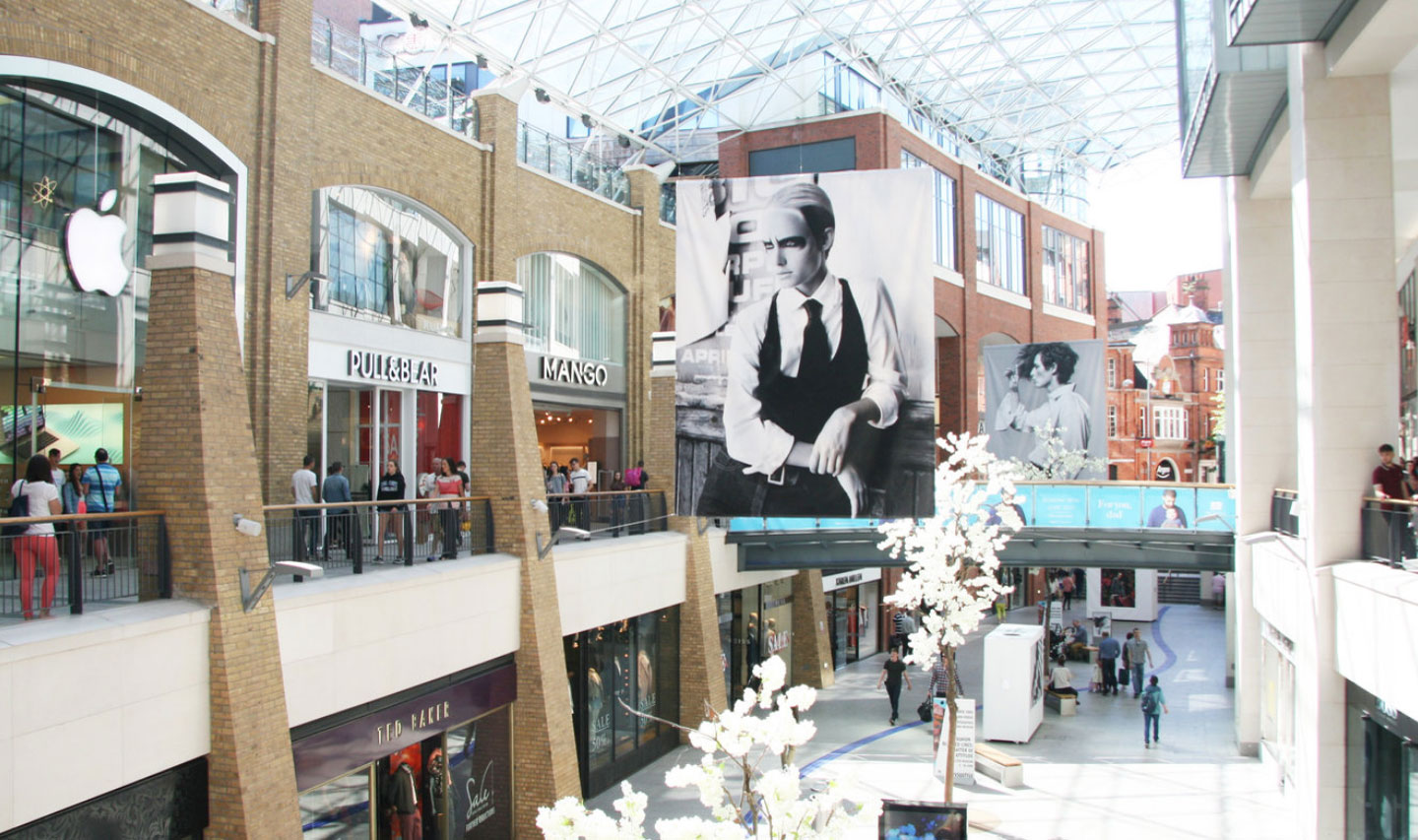
Together, we will transform your space into a powerful storytelling platform, unlocking the full potential of your brand.
Run a free AEO + signal audit for your domain.
AI Answer Engine Optimization (AEO)
List once. Convert intent from live AI conversations without heavy integration.
Exhibition stands are custom-built structures used by businesses to showcase products and services at trade shows and expos. They typically involve modular design, graphic panels, lighting, and interactive elements to attract visitors and create strong brand impact. Professional exhibition stands help companies generate leads, strengthen brand visibility, and stand out from competitors in crowded event spaces.
Work with a designer to outline your brand goals, booth size, and budget for a custom exhibition space.
Use modular components to construct the stand, ensuring structural integrity and high visual appeal.
Transport the stand to the venue, set it up efficiently, and provide ongoing support during the show.
Car manufacturers use exhibition stands to unveil new models with interactive displays and immersive experiences.
Tech companies demonstrate software and hardware at shows using hands-on exhibition stand setups.
Medical device firms present innovations through spacious, well-lit stands that comply with industry regulations.
Brands showcase new product lines and offer samples in high-traffic exhibition areas to drive immediate interest.
Enterprises reinforce brand identity with customized stands for recruitment, investor relations, and networking events.
Bilarna uses a proprietary 57-point AI Trust Score to evaluate each exhibition stands provider on expertise, reliability, compliance, and client satisfaction. This score helps buyers identify verified partners with proven track records. All providers are continuously monitored to ensure high standards.
Costs vary widely depending on size, design complexity, materials, and rental versus purchase. A basic 10x10 stand can start at $3,000, while large custom builds can exceed $50,000.
A standard custom stand takes 6 to 12 weeks from design to delivery. Timelines depend on design revisions, material sourcing, and fabrication capacity.
Yes, many providers offer rental options that are cost-effective for single or occasional events. Rental stands are pre-designed or semi-custom and include setup and teardown services.
The ideal size depends on your space budget, goals, and foot traffic expectations. Common sizes are 10x10, 10x20, and 20x20 feet, but options vary by venue.
Look for providers with proven industry experience, strong portfolios, and transparent pricing. Check client reviews and ask for references to ensure reliability.
Attendees can plan their visit to a large conference or exhibition venue by following several key steps. First, check the venue's official website or event calendar for dates, times, and specific event details. Next, review directions and transportation options, including public transit routes, driving directions, and parking availability with fee information. It's also advisable to explore accommodation options within a proximity radius, such as 5km, ranging from budget to luxury hotels. Utilize virtual tours if available to familiarize yourself with the layout. Finally, plan for on-site activities by looking into dining, shopping, and entertainment facilities to enhance the overall experience.
Companies can book international exhibition stalls by engaging a specialized representative or agency that acts as an official stall booking partner for major trade shows in target countries. These representatives streamline the entire process, handling logistics like registration, space allocation, contract negotiation, and local regulations. They possess insider knowledge of key industry exhibitions, including co-located events for related sectors, which maximizes networking opportunities. To secure a stall, a company typically contacts the representative, specifies their target exhibition and country, and provides details on their space and branding requirements. The representative then manages the booking with the event organizer, coordinates necessary documentation, and often provides on-ground support. This service is crucial for navigating foreign markets, ensuring prime stall placement, and facilitating participation in high-profile industry gatherings without the complexity of direct international coordination.
Sell products in a virtual exhibition space by following these steps: 1. Register or log in to the virtual exhibition platform. 2. Create a profile or virtual booth to showcase your products. 3. Upload high-quality images and detailed descriptions of your products. 4. Set prices and specify payment methods. 5. Publish your exhibition space to make it accessible to visitors. 6. Manage inquiries and sales through the platform's communication tools.
Exhibition branding and 3D structures enhance corporate events by creating immersive, memorable environments that physically manifest a company's identity and message. Exhibition branding applies consistent visual elements—like logos, colors, typography, and graphics—across all event touchpoints, from banners and backdrops to digital displays and giveaways, ensuring cohesive brand recognition. 3D structures, such as custom-built stands, architectural installations, and interactive sculptures, provide tangible, walk-through experiences that attract attention, facilitate engagement, and serve as powerful photo backdrops for social media amplification. Together, they transform a standard booth into a destination, improving visitor dwell time, lead generation, and overall impact. This physical brand experience is crucial for differentiation in crowded event spaces and for making abstract brand values concrete and shareable.
Exhibition stands benefit businesses by providing a dedicated three-dimensional marketing platform at trade shows to directly engage target audiences and enhance brand presence. Key advantages include increased visibility in competitive environments, opportunities for face-to-face interactions with potential clients, lead generation through interactive displays, and live product demonstrations. Custom-designed stands reflect brand identity with elements like graphics, lighting, multimedia screens, and product samples, attracting foot traffic and facilitating networking. They serve as tangible tools to create memorable experiences, differentiate from competitors, and drive sales by showcasing innovations. Effective stands are often modular for reusability, incorporate technology for engagement, and are designed to maximize space efficiency, ultimately improving return on investment from event participation and strengthening market positioning.
Exhibit works or products in virtual exhibition spaces by following these steps: 1. Sign up or log in to the virtual exhibition platform. 2. Create your exhibition space or virtual booth. 3. Upload your works or products with detailed descriptions and images. 4. Organize your exhibition layout to enhance visitor experience. 5. Publish your exhibition to make it accessible online. 6. Promote your virtual exhibition through social media or other channels to attract visitors.
Choosing the right event furniture hire for a conference or exhibition venue involves evaluating several key factors to ensure functionality, aesthetics, and logistical efficiency. First, assess the specific needs based on event type, attendee count, venue layout, and theme—for example, conferences may require ergonomic seating and modular tables for networking, while exhibitions need durable display stands and comfortable lounging areas. Consider the quality and variety of furniture available, such as chairs, tables, staging, podiums, and decorative pieces, ensuring they match the desired style and durability standards. Logistics are crucial: verify the hire company's delivery, setup, and breakdown services, including timelines and handling of large items. Review their inventory for flexibility, such as custom options or last-minute changes, and check customer reviews for reliability. Additionally, factor in cost transparency, insurance coverage, and sustainability practices if important. A reputable provider will offer consultations to tailor solutions that enhance both visual appeal and practical use, contributing to a seamless event experience.
Creating effective packaging design that stands out on shelves involves a strategic process focusing on market research, brand consistency, and functional aesthetics. Begin by analyzing target demographics and competitor products to identify gaps and opportunities. Next, integrate the brand's visual identity, including logos, colors, and typography, to ensure coherence across all touchpoints. The design must be visually striking to capture attention while providing practical benefits like product protection and clear information display. Consider using sustainable materials to appeal to environmentally conscious consumers and enhance brand perception. Prototype the design and conduct user testing to gather feedback on appeal and usability. Finally, ensure compliance with industry regulations and optimize for cost-effective production to balance creativity with commercial viability.
The process for designing and building a stand for an international exhibition follows a structured project management workflow to ensure success across borders. It begins with a strategic briefing to define goals, target audience, and budget. The design phase involves creating 2D and 3D concepts that align with the brand and local venue regulations. Upon approval, detailed technical drawings and material specifications are prepared for fabrication. Simultaneously, the project manager coordinates international logistics, including shipping, customs clearance, and local permits. The stand components are manufactured, often partially prefabricated, then shipped and assembled on-site by a local crew familiar with the venue's rules. The final step includes on-site branding, technology setup, and a thorough quality check before the event opens.
Planning an effective exhibition design involves a strategic approach that starts with defining clear objectives, such as increasing brand visibility or generating leads, and then creating a visually engaging and functional space. Key steps include understanding the target audience, designing scalable elements from pop-up banners to full custom stands, and ensuring the layout facilitates visitor engagement and traffic flow. The design should incorporate eye-catching graphics, consistent branding, and interactive components like displays or technology integrations to communicate your message clearly. Effective planning also considers materials, lighting, and post-event evaluation to measure success and refine future designs, ultimately leaving a lasting impression that translates into business opportunities.