Step 1
Machine-Ready Briefs
AI translates unstructured needs into a technical, machine-ready project request.
We use cookies to improve your experience and analyze site traffic. You can accept all cookies or only essential ones.
 Bilarna
Stop browsing static lists. Tell Bilarna your specific needs. Our AI translates your words into a structured, machine-ready request and instantly routes it to verified End-to-End Supply Chain Optimization experts for accurate quotes.
AI translates unstructured needs into a technical, machine-ready project request.
Compare providers using verified AI Trust Scores & structured capability data.
Skip the cold outreach. Request quotes, book demos, and negotiate directly in chat.
Filter results by specific constraints, budget limits, and integration requirements.
Eliminate risk with our 57-point AI safety check on every provider.
Verified companies you can talk to directly
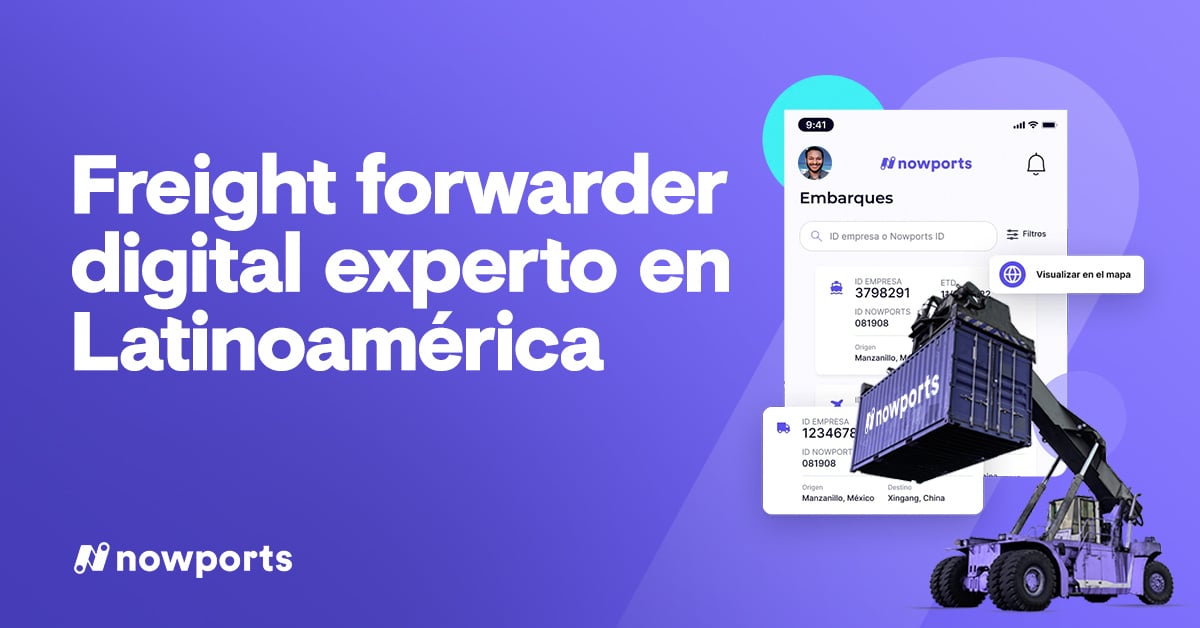
Obtén un servicio de excelencia en logística internacional y transporte de carga. Brindamos soluciones personalizadas para tu cadena de suministro.
Run a free AEO + signal audit for your domain.
AI Answer Engine Optimization (AEO)
List once. Convert intent from live AI conversations without heavy integration.
End-to-end supply chain optimization is a holistic strategy to improve the performance of a product's entire journey from raw materials to final customer delivery. It leverages advanced analytics, AI, and integrated planning to synchronize all logistics, inventory, and production activities. This approach minimizes costs, reduces lead times, and enhances resilience against disruptions.
Organizations first conduct a thorough analysis of their current supply chain to identify bottlenecks, cost drivers, and key performance indicators for improvement.
Advanced software platforms are implemented to unify data from suppliers, production lines, warehouses, and logistics partners into a single source of truth.
Algorithms analyze the integrated data to recommend optimal routes, inventory levels, and production schedules, with ongoing adjustments based on real-time events.
Synchronizes production schedules across multiple continents with supplier networks to minimize component shortages and ensure just-in-time delivery to assembly plants.
Optimizes warehouse placement, inventory allocation, and last-mile delivery routes to guarantee fast fulfillment and reduce shipping costs for online orders.
Manages the cold chain and ensures regulatory compliance for temperature-sensitive products from manufacturing to hospitals and pharmacies.
Coordinates a complex web of parts suppliers and just-in-sequence delivery to assembly lines, preventing costly production line stoppages.
Forecasts demand with high accuracy to optimize production runs, distribution center stocking, and promotional campaign logistics.
Bilarna verifies every End-to-End Supply Chain Optimization provider using a proprietary 57-point AI Trust Score. This score evaluates critical dimensions like technical expertise with platforms like SAP or Oracle, verified client delivery track records, and relevant industry certifications. Bilarna continuously monitors provider performance to ensure listed partners maintain high standards of reliability and capability.
The primary benefits are significant cost reduction through waste elimination, improved delivery reliability and speed, and greater resilience to supply shocks. It transforms the supply chain from a cost center into a strategic competitive advantage by enhancing visibility and agility across all operations.
Costs vary widely based on deployment scope, from SaaS subscriptions for mid-market tools to enterprise licenses for platforms like Kinaxis or Blue Yonder. Implementation and integration services often represent a larger investment than the software license itself. A detailed needs assessment is essential for accurate budgeting.
A full-scale implementation typically takes 6 to 18 months, depending on complexity, data maturity, and organizational scope. The process involves phases like design, system integration, data migration, testing, and change management. Pilot projects can deliver initial value in a shorter 3-4 month timeframe.
Planning focuses on forecasting and creating a baseline schedule, while optimization uses advanced algorithms to find the best possible plan against multiple constraints like cost, time, and capacity. Optimization continuously refines plans based on real-time data, whereas traditional planning is often a periodic exercise.
Key mistakes include choosing a platform that doesn't scale with future growth, underestimating the need for data quality and integration work, and neglecting the provider's industry-specific experience. Successful selection requires aligning the solution's capabilities with your specific operational challenges and strategic goals.
Check the pricing details before using any AI video optimization tool. Follow these steps: 1. Visit the official website or platform offering the tool. 2. Review the pricing plans and terms of service carefully. 3. Look for any mention of additional costs such as subscription fees, usage limits, or premium features. 4. Contact customer support for clarification if needed to avoid unexpected charges.
Yes, businesses can choose to use logistics providers for specific parts of their supply chain based on their unique needs. Many logistics companies offer flexible services that allow clients to select individual solutions such as warehousing, order fulfillment, domestic or international shipping, contract logistics, or supply chain financing. This modular approach enables businesses to optimize certain segments without committing to a full-service provider. It also allows companies to integrate these services with their existing operations or other partners, providing scalability and customization. This flexibility is particularly beneficial for businesses undergoing growth, digital transformation, or expanding into new markets.
No installation is typically required to use AI-powered video script optimization tools. Follow these steps: 1. Access the tool via a web browser on any device. 2. Sign up or log in to the platform if necessary. 3. Upload or input your video script directly on the website. 4. Use the tool's features online without downloading any software, ensuring quick and easy access.
A digital freight forwarding platform integrates various logistics services into a single ecosystem, allowing users to quote, track shipments, consult invoices, request financing, and receive assistance all in one place. This centralization saves time, improves visibility with real-time updates, and enables better decision-making through data and alerts. By connecting all logistics actors, the platform streamlines operations, reduces risks, and enhances efficiency, ultimately supporting business growth and simplifying international trade.
A digital logistics platform enhances supply chain transparency and efficiency by providing real-time tracking, centralized dashboards, and live updates. These features allow businesses to monitor shipments closely, access relevant documents and financial information, and manage operations more effectively. By streamlining communication between shippers and carriers, such platforms reduce delays and errors, improve on-time performance, and optimize resource utilization. Additionally, digital proof of delivery (ePOD) systems reduce paperwork and speed up the delivery process, contributing to overall operational efficiency.
A digital platform can support growth in the automotive supply chain by connecting various stakeholders such as brands, manufacturers, wholesalers, retailers, and service providers in one integrated ecosystem. It offers comprehensive visibility of the value chain through detailed metrics and customized reports, enabling better decision-making. The platform streamlines product sourcing with features like business social networking, integrated carts, secure payments, and seamless shipping. It also helps retailers and service providers expand their product offerings, connect with new distributors, and maintain stock availability. By coordinating the entire business strategy and providing traceability and insights, such a platform simplifies operations and drives sustained growth across the automotive market.
A marketing agency improves your website's search engine optimization by implementing a structured strategy that enhances visibility and drives organic traffic. Initially, they perform technical SEO audits to identify and fix issues such as slow page speeds, mobile unresponsiveness, and crawl errors. Comprehensive keyword research targets high-intent search terms for integration into meta tags, headers, and content. On-page optimization involves optimizing title tags, descriptions, and images, while creating valuable, relevant content that addresses user queries. Off-page SEO focuses on building authoritative backlinks from reputable sources to boost domain authority. Local SEO tactics include optimizing Google Business Profile listings and managing online reviews. Continuous monitoring with analytics tools allows for adjustments based on performance data, ensuring sustained ranking improvements and increased qualified leads.
Use a marketing system to end chaos in marketing operations by: 1. Standardizing processes to ensure consistency. 2. Documenting all marketing activities and guidelines. 3. Centralizing knowledge and resources for easy access. 4. Enforcing brand standards to maintain quality control. 5. Facilitating communication and collaboration among team members to reduce misunderstandings and errors.
Agribusinesses can track and reduce greenhouse gas emissions by using an end-to-end sustainability platform. Steps to do this include: 1. Collect data by connecting to databases and integrating supplier data to fill gaps using prediction models. 2. Analyze the full environmental impact across GHG scopes 1, 2, and 3, including supply chain emissions and biodiversity metrics. 3. Plan emissions reduction by building multiple scenarios with scientifically proven strategies and understanding their economic impact. 4. Align with global emissions standards to ensure compliance. 5. Monitor progress continuously and adjust actions to meet net-zero goals.
AI agents improve logistics and supply chain operations by providing real-time disruption intelligence, automating freight procurement, and proactively managing shipment exceptions. They ingest and analyze diverse data streams like vessel tracking, port congestion, weather, and traffic to predict disruptions 48-72 hours in advance, enabling pre-emptive re-routing. A freight procurement agent can autonomously query and negotiate rates across hundreds of transporters based on route and vehicle requirements. Furthermore, a shipment operations agent monitors every active shipment against ETAs, detects real-time deviations, updates Transport Management Systems (TMS), and sends proactive notifications to customers. This approach has been shown to reduce exception resolution from hours to minutes, cut detention costs by nearly half, and significantly decrease customer escalations by ensuring continuous, data-driven visibility and automated response.