Step 1
Machine-Ready Briefs
AI translates unstructured needs into a technical, machine-ready project request.
We use cookies to improve your experience and analyze site traffic. You can accept all cookies or only essential ones.
 Bilarna
Stop browsing static lists. Tell Bilarna your specific needs. Our AI translates your words into a structured, machine-ready request and instantly routes it to verified Renewable Power Solutions experts for accurate quotes.
AI translates unstructured needs into a technical, machine-ready project request.
Compare providers using verified AI Trust Scores & structured capability data.
Skip the cold outreach. Request quotes, book demos, and negotiate directly in chat.
Filter results by specific constraints, budget limits, and integration requirements.
Eliminate risk with our 57-point AI safety check on every provider.
Verified companies you can talk to directly
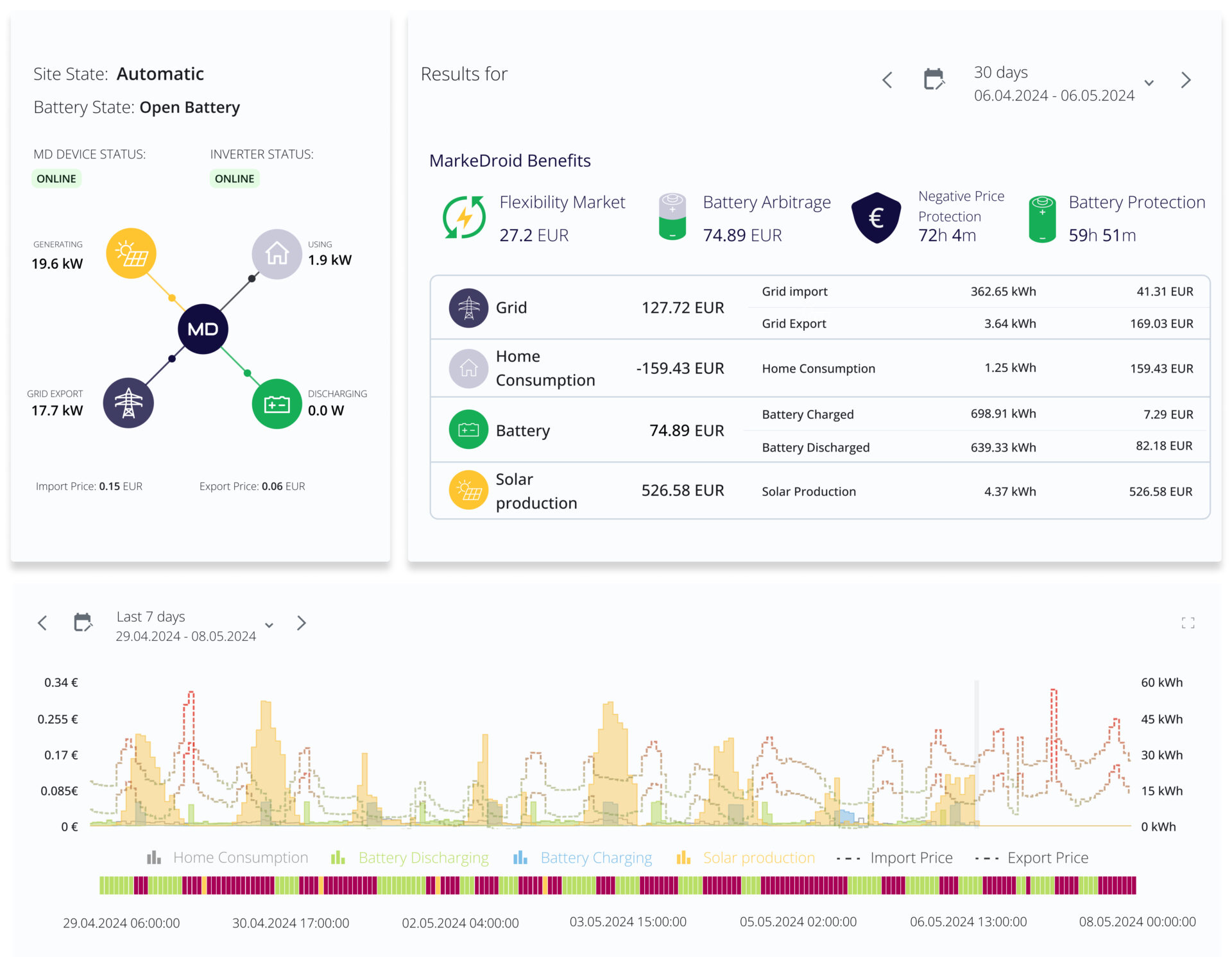
MarkeDroid is the world’s most adaptable energy management system that helps installers and siteowners profit from turning traditional energy systems into AI-powered solutions.
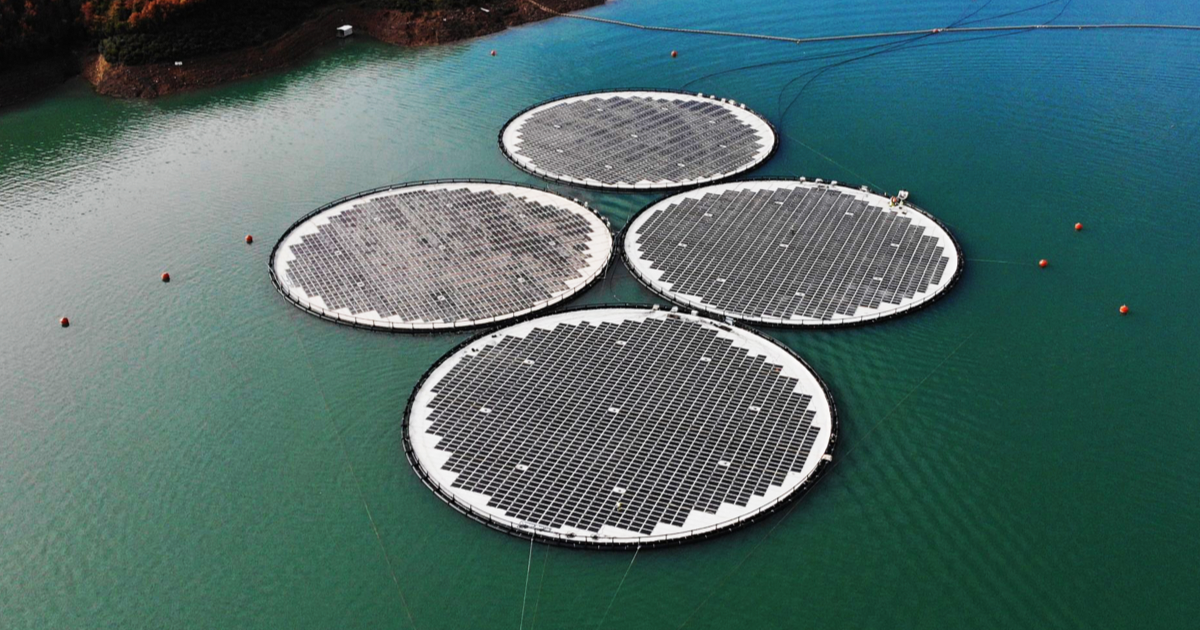
Ocean Sun’s patented floating solar system harnesses the power of water to drive efficiency and sustainability.

We are a product and service company that delivers our own commercial wave energy solution WaveMove™ that focuses on being installed in parallel with offshore wind turbines to enable increased production as well as more stable and cost reduced renewable energy.

Open Power helps prosumers and installers unlock energy export revenue with managed onboarding, smart tariffs, and concierge support across the UK.

Nachhaltige Energielösungen: Erneuerbare Energie intelligent nutzen – mit OPTIVICE.energy: modular, vernetzt, zukunftsfähig

TURN2X decarbonizes the industry by producing Renewable Natural Gas with a unique methanation process.

GRNRG Website

Learn how MethaPlanet orchestrates biogas systems for scalable CO₂ reduction, utilizing innovative technology and local sourcing for a greener future.



Te damos la bienvenida a la única plataforma que le permite a tu empresa acceder a energía renovable de una forma sencilla. Descubre nuestros contratos PPA.
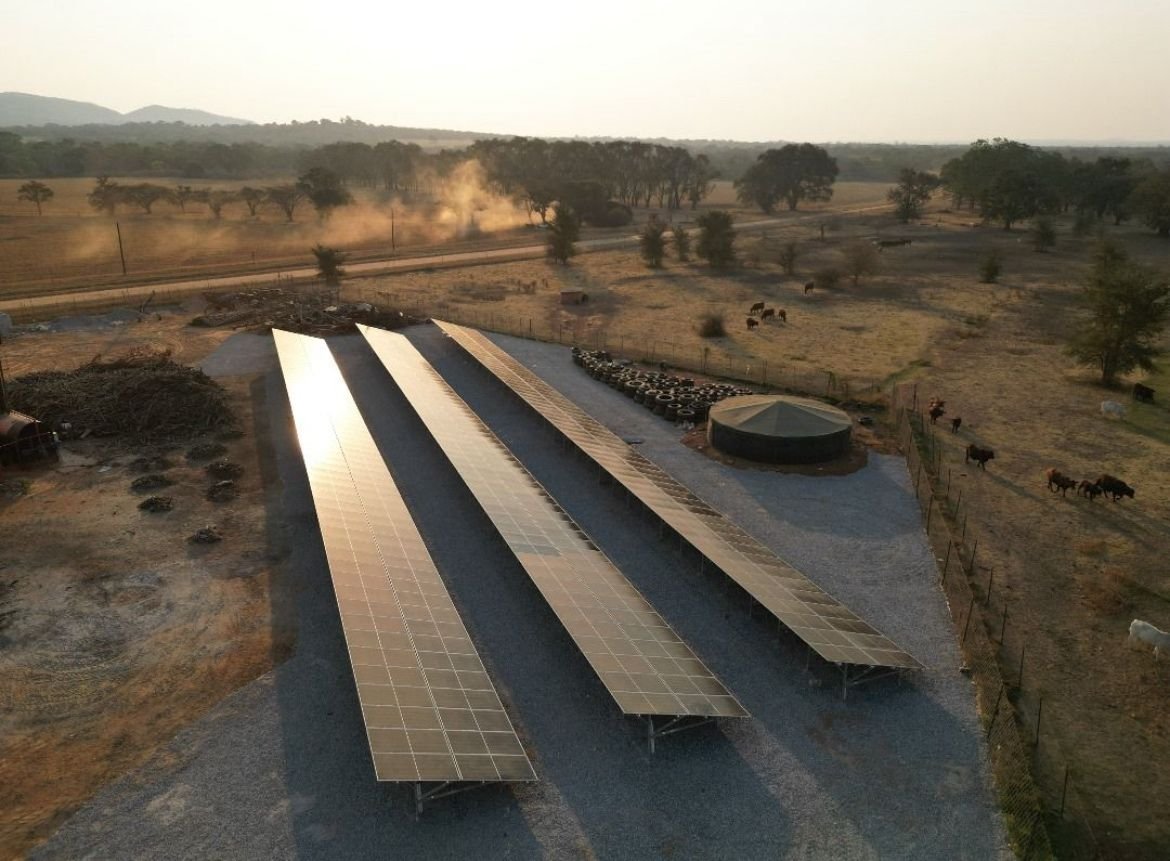
Tribes Capital - Powering a Sustainable Just Energy Transition, a community collectively deploys data-driven infrastructure with transparency.
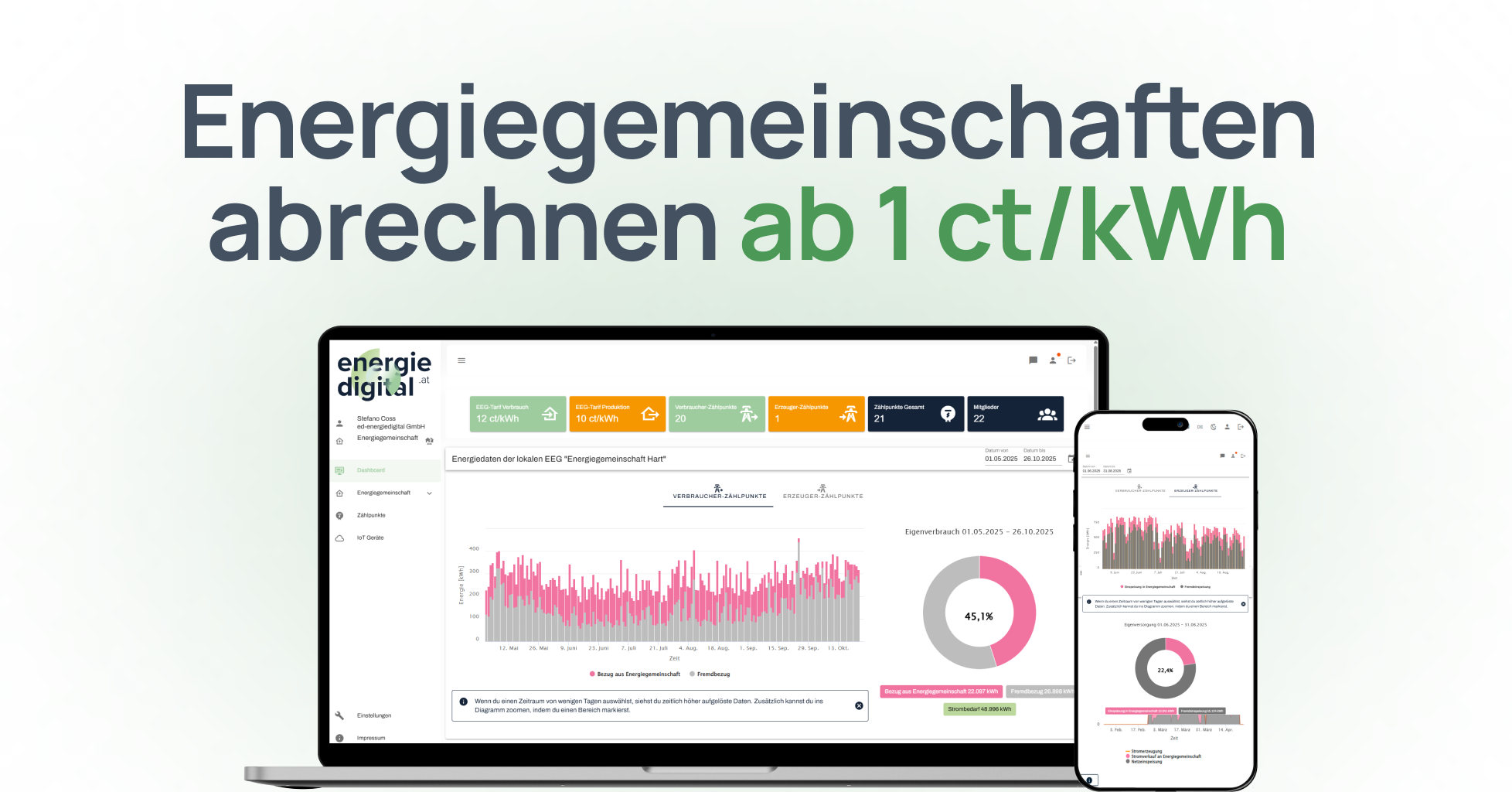
Mit energiedigital Energiegemeinschaften einfach und günstig verwalten und abrechnen. Ab 1 ct/kWh! Strom günstig beziehen oder mehr für deinen PV Strom bekommen. Wechsle jetzt zu energiedigital.

Treeva Turbines Renewable Energy

I Home Read more G Solutions Read more N Impact Read more I Countries Read more T Media Read more E Contact Read more Ignite Energy Access Powering Progress, Empowering Lives. Read more Ignite Energy Access Powering Progress, Empowering Lives. Read more About Ignite Energy Access Who We Are Ignite E


Intelline designs and manufactures modular carbon-neutral industrial generators for heavy duty applications. One engine, any fuel, no compromises.



Run a free AEO + signal audit for your domain.
AI Answer Engine Optimization (AEO)
List once. Convert intent from live AI conversations without heavy integration.
Renewable power solutions are integrated systems that generate electricity from sustainable sources like solar, wind, hydro, and geothermal energy. These solutions involve technologies such as photovoltaic panels, wind turbines, energy storage batteries, and smart grid management software. Implementing them reduces operational carbon footprint, ensures long-term energy cost stability, and supports corporate sustainability goals.
A technical audit determines your current energy consumption, site suitability, and specific sustainability targets for the renewable installation.
Providers create a customized technical blueprint that selects optimal technologies, capacities, and integration points with existing infrastructure.
Certified installers deploy the system, followed by rigorous testing, grid connection procedures, and staff training for ongoing operation.
Businesses install rooftop or ground-mounted solar PV systems to offset electricity costs and achieve energy independence for offices and warehouses.
Industrial plants utilize on-site or off-site wind farms to power energy-intensive manufacturing processes with clean, reliable electricity.
Large corporate campuses integrate hybrid renewable systems, including solar, geothermal, and storage, to create net-zero energy facilities.
Hyperscale data centers deploy large-scale renewable power purchase agreements (PPAs) and on-site generation to reduce their significant energy footprint.
Farms and agribusiness use solar-powered irrigation, biomass energy, and small wind turbines to achieve operational efficiency and sustainability.
Bilarna evaluates every renewable power solutions provider through its proprietary 57-point AI Trust Score. This score rigorously assesses technical certifications, project portfolio depth, financial stability, and verifiable client satisfaction metrics. Continuous monitoring ensures providers listed on Bilarna maintain compliance with the latest industry standards and delivery excellence.
Costs vary significantly based on technology, scale, and location, but typically range from $150,000 to $500,000 for a commercial solar installation. Key factors include system capacity, grid connection fees, and available government incentives or tax credits, which can reduce the net investment.
From planning to commissioning, a typical commercial project takes 6 to 18 months. The timeline includes feasibility studies, permitting, equipment procurement, installation, and final grid interconnection approvals, which is the most variable phase.
Key selection criteria include the provider's relevant project experience, technical certifications (e.g., NABCEP), financial health, warranty offerings, and their ability to provide a clear performance guarantee. Always review case studies from similar businesses.
On-site generation involves owning and operating the system on your property, offering long-term savings but requiring upfront capital. A PPA is a financing model where a third party owns the system on your site and sells you the power at a fixed rate, often with no upfront cost.
Common pitfalls include underestimating long-term energy needs, neglecting maintenance costs, failing to secure proper site permits, and not thoroughly vetting the provider's track record. A detailed technical and financial feasibility study is crucial to avoid these issues.
Yes, modern paywall solutions are designed to be compatible with both iOS and Android mobile applications. This cross-platform compatibility ensures that developers can implement a single paywall system across different devices and operating systems without needing separate solutions. It simplifies management and provides a consistent user experience regardless of the platform, making it easier to maintain and optimize monetization strategies.
Yes, financial automation solutions are often modular and customizable to fit the specific needs of different businesses. Organizations can select and adapt only the modules they require, such as accounts payable, accounts receivable, billing, or treasury management, allowing them to scale their automation at their own pace. This flexibility ensures that companies can address their unique operational challenges without unnecessary complexity or cost. Additionally, user-friendly tools and AI capabilities enable teams to maintain compliance and efficiency while tailoring the system to their workflows. Customized onboarding and collaborative support further help businesses get up and running quickly with solutions that match their requirements.
Nanotechnology-based coating solutions are developed by designing materials and processes at the nanoscale with a clear target application in mind. This involves iterative cycles of testing and optimization to enhance performance and functionality. By focusing on the intended use from the start, developers can tailor the coatings to meet specific requirements such as durability, conductivity, or protective properties. The vertical integration of the development process ensures that each stage, from nanoscale design to final application, is aligned to achieve the best possible outcome.
Smart contracts are used in enterprise blockchain solutions to automate complex business processes, enforce agreements without intermediaries, and significantly reduce operational costs and manual errors. These self-executing contracts are deployed on blockchain platforms to manage and execute terms automatically when predefined conditions are met. Common enterprise applications include automating supply chain payments upon delivery verification, managing and executing royalty distributions in intellectual property agreements, and facilitating secure, instant settlement in trade finance. They are also foundational for creating decentralized autonomous organizations (DAOs), tokenizing real-world assets like real estate or carbon credits, and building transparent, tamper-proof voting systems for corporate governance. By leveraging smart contracts, enterprises can achieve greater transparency, enhance auditability, and streamline workflows across departments and with external partners.
Choosing between on-premise and cloud-based communications solutions depends on evaluating specific business factors including upfront capital expenditure, scalability needs, maintenance resources, and security requirements. On-premise systems involve higher initial hardware and software licensing costs but offer direct control over data and infrastructure, potentially appealing to organizations with strict data residency regulations or existing robust IT teams for maintenance. Cloud-based solutions, like Hosted VoIP, typically operate on a predictable subscription model with lower upfront costs, automatic updates, and inherent scalability, allowing businesses to add or remove users and features easily as needs change. Key decision criteria include total cost of ownership over 3-5 years, required uptime and reliability, integration capabilities with existing business applications, the need for remote or mobile workforce support, and internal technical expertise to manage the system. Most modern businesses favor cloud solutions for their flexibility, reduced IT burden, and continuous access to the latest features.
A company can develop and implement generative AI solutions for regulated industries by partnering with a specialized development team that combines senior engineering expertise with strict compliance frameworks. The process begins with a thorough understanding of the industry's regulatory landscape, such as data privacy, security, and audit requirements. Development should follow a phased approach, starting with a rapid Proof of Concept (PoC) or Minimum Viable Product (MVP) to validate the core AI feature's feasibility and value proposition, often achievable within 4 to 12 weeks. The solution must be built on enterprise-grade, secure architecture from the outset, incorporating explainability, audit trails, and data governance controls. Crucially, the team should employ an AI-augmented delivery process to accelerate development while maintaining rigorous quality standards, ensuring the final product is both innovative and compliant, ready for deployment at scale.
A company can implement AI solutions for all employees by adopting an enterprise-ready platform that offers both user-friendly AI chat assistants and developer tools for custom workflows. This approach ensures that non-technical staff can benefit from AI-powered assistants tailored to specific use cases, while developers have the flexibility to build, automate, and deploy custom AI applications. Key features include model-agnostic support, data privacy compliance, integration capabilities with existing tools, and scalable deployment options. Providing educational resources and seamless integration with communication platforms helps facilitate adoption across the organization.
To purchase renewable energy through digital Power Purchase Agreements (PPAs), follow these steps: 1. Register on a digital platform that offers access to renewable energy PPAs. 2. Browse and select from competitive PPA contracts tailored for corporate energy consumers. 3. Use the platform's digital tools to review contract terms and benefits clearly and efficiently. 4. Complete the contract signing process digitally to optimize energy costs. 5. Manage and monitor your energy consumption and contract through the platform's centralized system.
A global IT solutions provider brings an idea to life by guiding it through a structured process of discovery, design, development, deployment, and continuous improvement. The process typically begins with a discovery phase where the provider understands the client's vision, requirements, and goals. This is followed by designing a proof of concept or prototype to validate feasibility. The development phase uses agile methodologies to build the solution iteratively, incorporating feedback at each sprint. Once the product is ready, it is deployed across targeted environments with proper testing and quality assurance. Post-launch, the provider offers ongoing support, maintenance, and updates to adapt to changing needs. Global IT solutions firms also bring diverse expertise in emerging technologies, cross-cultural insights, and scalable infrastructure. They manage risks, ensure security compliance, and help accelerate time-to-market. By leveraging global talent and resources, they turn abstract concepts into tangible, market-ready digital products or systems that drive business value.
Advanced simulation solutions improve surgical outcomes by enhancing precision, efficiency, and skill development for surgeons. 1. Use 3D bioprinted soft-tissue models for precise preoperative planning and surgery rehearsal. 2. Employ interactive VR/AR models from diagnostic images to analyze pathology and prepare for surgery. 3. Integrate AI-driven 3D bioprinting to optimize surgical precision and reduce operating room costs. These steps collectively empower surgeons to deliver better patient care and reduce complications.