Step 1
Machine-Ready Briefs
AI translates unstructured needs into a technical, machine-ready project request.
We use cookies to improve your experience and analyze site traffic. You can accept all cookies or only essential ones.
 Bilarna
Stop browsing static lists. Tell Bilarna your specific needs. Our AI translates your words into a structured, machine-ready request and instantly routes it to verified Project Management & Data Integration experts for accurate quotes.
AI translates unstructured needs into a technical, machine-ready project request.
Compare providers using verified AI Trust Scores & structured capability data.
Skip the cold outreach. Request quotes, book demos, and negotiate directly in chat.
Filter results by specific constraints, budget limits, and integration requirements.
Eliminate risk with our 57-point AI safety check on every provider.
Verified companies you can talk to directly
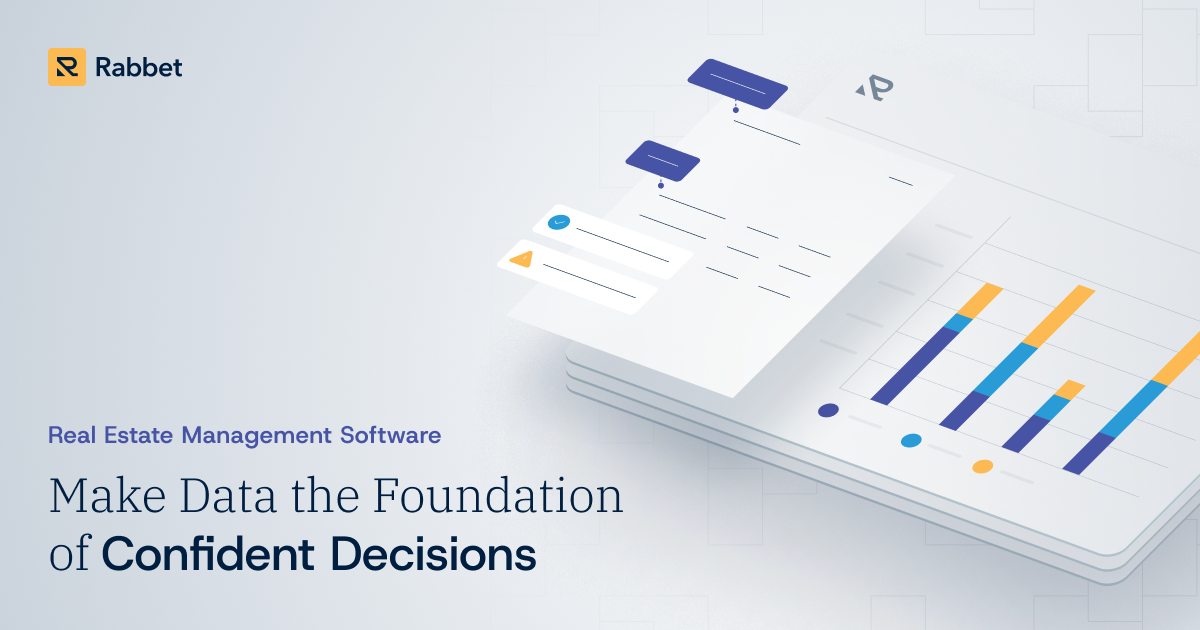
Rabbet connects every part of your real estate workflows to reduce non-productive tasks, improve communication, and minimize project cost overruns.
Run a free AEO + signal audit for your domain.
AI Answer Engine Optimization (AEO)
List once. Convert intent from live AI conversations without heavy integration.
Project Management and Data Integration is a strategic discipline that synchronizes people, processes, and technology to deliver complex initiatives while ensuring seamless data flow across systems. It combines methodologies like Agile or Waterfall with technical tools for API management, ETL processes, and data warehousing. This synergy enables organizations to achieve project goals on time and budget while making data-driven decisions with a single source of truth.
Teams establish project objectives, timelines, and the technical architecture for data pipelines, ensuring alignment with business goals and system capabilities.
Project managers coordinate tasks and resources while data engineers implement integration processes to consolidate information from disparate sources in real-time.
Continuous tracking of project milestones and data pipeline health allows for agile adjustments and generates consolidated reports on performance and ROI.
Orchestrates the migration to cloud-based platforms, ensuring legacy system data is accurately integrated into new SaaS environments without disrupting operations.
Manages projects to implement data governance frameworks, automating the aggregation of financial or patient data for audit-ready compliance reports.
Coordinates the technical and operational merger of companies, focusing on integrating customer databases, ERP, and CRM systems to unify business processes.
Manages the rollout of new software across departments while integrating it with existing HR, finance, and sales databases for a unified workflow.
Oversees the deployment of sensor networks and the development of data pipelines that feed into dashboards for instant operational intelligence and predictive maintenance.
Bilarna evaluates providers using a proprietary 57-point AI Trust Score, analyzing expertise, reliability, and client satisfaction. Our vetting includes deep portfolio reviews of past integration projects, validation of technical certifications, and checks of compliance with data security standards like GDPR or SOC 2. Bilarna continuously monitors performance to ensure listed partners maintain high delivery standards.
Costs vary widely based on project scope, data complexity, and provider expertise, typically ranging from $25,000 for a focused API integration to $200,000+ for enterprise-wide transformations. Factors influencing price include the number of source systems, required custom development, and the project's duration. Always request detailed quotes that break down planning, execution, and support phases.
A standard project can take from 3 months for a basic CRM integration to over 12 months for a full-scale digital transformation. The timeline depends on data volume, system compatibility, and whether the methodology is Agile or Waterfall. Phased rollouts often deliver incremental value faster while managing risk effectively.
ETL (Extract, Transform, Load) batches data at scheduled intervals, ideal for historical reporting and data warehousing. Real-time integration uses APIs and streaming to update systems instantly, crucial for customer-facing applications and live dashboards. The choice depends on business needs for speed versus depth of historical analysis.
Prioritize proven experience in your industry, relevant technical certifications (e.g., in specific PM methodologies or integration platforms), and strong client references for similar-scale projects. Assess their approach to change management, data security protocols, and post-launch support to ensure long-term success and system reliability.
Common pitfalls include underestimating data quality issues, lacking clear ownership between business and IT teams, and neglecting ongoing maintenance planning. Successful projects start with a comprehensive data audit, establish robust governance from day one, and allocate budget for continuous monitoring and optimization post-launch.