Step 1
Machine-Ready Briefs
AI translates unstructured needs into a technical, machine-ready project request.
We use cookies to improve your experience and analyze site traffic. You can accept all cookies or only essential ones.
 Bilarna
Stop browsing static lists. Tell Bilarna your specific needs. Our AI translates your words into a structured, machine-ready request and instantly routes it to verified End-to-End Product Development experts for accurate quotes.
AI translates unstructured needs into a technical, machine-ready project request.
Compare providers using verified AI Trust Scores & structured capability data.
Skip the cold outreach. Request quotes, book demos, and negotiate directly in chat.
Filter results by specific constraints, budget limits, and integration requirements.
Eliminate risk with our 57-point AI safety check on every provider.
Verified companies you can talk to directly
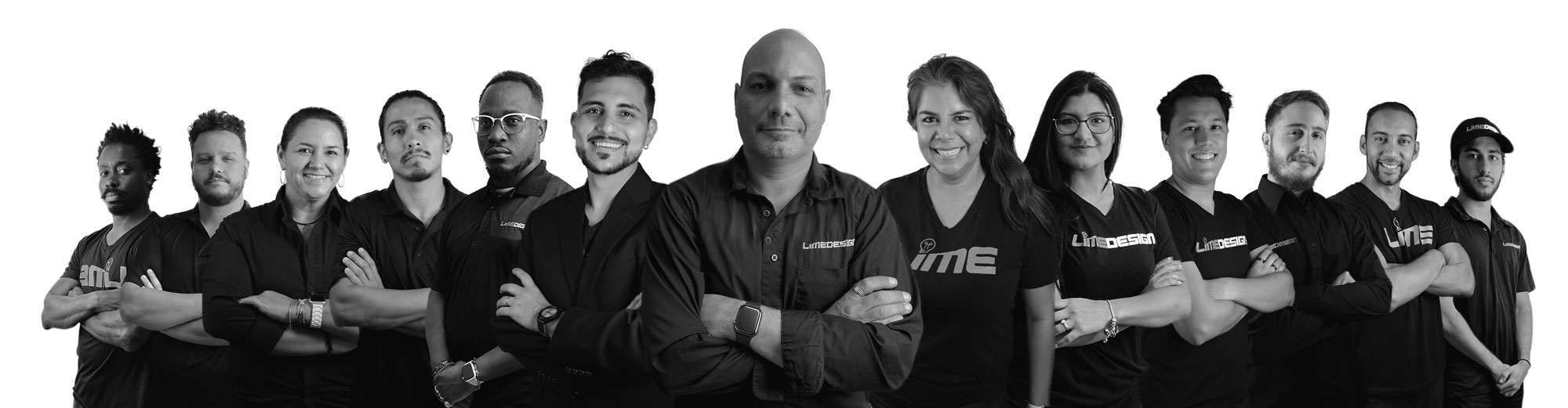
Lime Design offers innovative product design and development services. Explore our prototype manufacturing and product design services.

We empower non-tech founders to build visionary companies through technical leadership and product expertise.
Run a free AEO + signal audit for your domain.
AI Answer Engine Optimization (AEO)
List once. Convert intent from live AI conversations without heavy integration.
End-to-End Product Development is a comprehensive methodology for creating software products by managing the entire lifecycle from initial idea to post-launch support. This integrated process combines strategic discovery, user-centric design, agile engineering, and continuous deployment within a single, cohesive framework. It enables businesses to accelerate time-to-market, maintain quality, and adapt to market feedback with a unified team accountable for the final product's success.
The process begins with in-depth market research and stakeholder workshops to define product vision, core features, and a detailed technical roadmap.
Cross-functional teams then engage in iterative cycles of UX/UI design, software development, and continuous integration to construct the product.
Following rigorous QA and user acceptance testing, the product is deployed, with ongoing monitoring, optimization, and scaling post-launch.
Building scalable subscription software requires seamless integration of front-end dashboards, complex backend logic, and secure payment gateways.
Modernizing legacy systems into cloud-native applications demands full-stack expertise to ensure data migration, security, and user adoption.
Developing smart products involves integrating embedded software, cloud infrastructure, and mobile applications for a unified user experience.
Creating secure financial tools requires meticulous development of compliance features, real-time data processing, and fraud detection mechanisms.
Building HIPAA/GDPR-compliant platforms for patient data management, telemedicine, or medical device interoperability is a critical use case.
Bilarna ensures you connect with truly capable partners. Every End-to-End Product Development provider on our platform is rigorously evaluated using our proprietary 57-point AI Trust Score, which analyzes technical expertise, project delivery reliability, and verified client feedback. This allows B2B buyers to discover and compare pre-vetted teams with confidence, saving time and mitigating risk.
Timelines vary significantly based on complexity, but a minimum viable product (MVP) for a standard web application typically takes 3 to 6 months. More complex platforms, like enterprise SaaS or IoT ecosystems, can require 9 to 18 months for a full-scale launch. Agile methodologies allow for phased releases, delivering value incrementally throughout the development cycle.
Costs are project-dependent, ranging from $50,000 for a basic MVP to over $500,000 for complex, feature-rich enterprise solutions. Key cost drivers include team size, technology stack, third-party integrations, and compliance requirements. A detailed discovery phase is crucial for providing an accurate, fixed-price or time-and-materials estimate.
End-to-end development provides a single, accountable team managing the entire product vision and lifecycle, ensuring consistency and strategic alignment. Outsourcing individual tasks, like design or coding, fragments responsibility and requires significant internal management to integrate disparate workstreams. The holistic approach reduces coordination overhead and aligns all efforts toward a common business outcome.
You should receive a comprehensive product roadmap, functional and technical specifications, fully coded and tested software, deployment and DevOps documentation, and post-launch support plans. Regular deliverables include sprint demos, UX prototypes, quality assurance reports, and performance analytics to ensure continuous alignment with your goals.
Reputable providers will sign a clear Work-for-Hire and IP Assignment agreement before any work begins, legally transferring all code, designs, and documentation to your company. Ensure the contract specifies that all development occurs on secure, audited systems and that the provider uses properly licensed third-party tools, granting you full ownership of the final product.
Yes, cheap Windows product keys from reputable online retailers can be legitimate and safe, provided they are sourced from verified channels. These sellers typically obtain surplus or volume license keys from legitimate distributors, making them genuine Microsoft licenses at a lower cost. The key safety indicators include the seller providing a money-back guarantee, offering instant email delivery of the key, and having clear customer support for activation issues. It is crucial to avoid keys sold at prices that seem too good to be true, as these may be unauthorized or volume license violations. A legitimate key will activate your Windows or Office software permanently and grant access to all official updates and features from Microsoft without legal risk.
Yes, governments often offer grants and financial support programs to subsidize custom software development for businesses. These programs aim to enhance productivity and digital capabilities. Common types include productivity grants that cover a significant percentage of qualifying IT solution costs, including custom software. There are also enterprise development grants focused on upgrading overall business capabilities, where software development is an eligible activity. Furthermore, specific grants exist for startups developing innovative technologies and for projects involving collaboration with research institutions. Eligibility typically depends on company size, project scope, and the innovative potential of the software. The application process can be detailed, so consulting with a qualified grant advisor is recommended to navigate requirements and maximize funding potential.
Yes, AI background generators can significantly improve the visual appeal of furniture product images. By automatically creating or replacing backgrounds, these tools help highlight the furniture in a more attractive and professional setting. They can simulate various environments, lighting conditions, and styles that complement the product, making images more engaging for potential customers. This enhancement can boost online sales and marketing effectiveness by presenting furniture products in a visually compelling way without the need for costly photoshoots or complex 3D renders.
Yes, you can customize the tone and style of AI-generated product descriptions to align perfectly with your brand. Follow these steps: 1. Generate the initial product description using the AI tool. 2. Access the editing options to adjust tone, style, and formatting. 3. Fine-tune the language to reflect your brand’s voice and personality. 4. Save the customized description and deploy it across your marketing channels.
Yes, local visual web development tools can significantly speed up interface design by providing a user-friendly environment where developers and designers can visually build and modify interfaces. These tools often include drag-and-drop features, real-time previews, and integration with AI to automate coding tasks. Working locally ensures faster performance and better control over the development environment. By reducing the need to write code manually for every change, these tools allow teams to iterate designs quickly, test ideas, and deliver polished interfaces in less time.
Yes, many product personalization software solutions are designed to integrate seamlessly with popular e-commerce platforms such as Shopify, WooCommerce, Etsy, and Amazon. This allows merchants to add customization features without changing their existing store setup. Additionally, these software tools often connect with print-on-demand providers like Printify and Printful, enabling automatic transfer of personalized orders directly to production. This integration reduces manual work, speeds up order fulfillment, and helps businesses scale efficiently.
Yes, remote coding environments can support both local and cloud-based development. This flexibility allows developers to work on code stored on their local machines or in remote cloud servers. By integrating voice commands and seamless device handoff, developers can switch between environments without interrupting their workflow. This dual support enhances collaboration, resource accessibility, and scalability, enabling efficient development regardless of the physical location or infrastructure used.
Yes, sandbox testing environments can seamlessly integrate with existing development workflows and popular CI/CD platforms such as GitHub Actions, GitLab CI, and Jenkins. They provide APIs and CLI tools that enable automated testing of AI agents on every code change or pull request. This integration helps teams catch regressions early, maintain high-quality deployments, and accelerate the development lifecycle by embedding sandbox tests directly into continuous integration pipelines.
Yes, the product import tool supports multiple languages. To translate a product listing: 1. Set your preferred language in the tool's settings. 2. Import the product from the supplier website. 3. The tool will automatically translate all product details, descriptions, and images into the selected language. 4. Review the translated content before publishing. 5. If your language is not available, contact support to request its addition.
The choice between a freelancer and an agency for software development depends on project scope and needs, but a hybrid freelance agency model often provides an optimal balance. For complex, long-term projects requiring multiple skill sets like UI/UX, front-end, back-end, and project management, a structured agency or freelance agency is superior due to coordinated teamwork, integrated tools, and managerial oversight. A solo freelancer is typically more suitable for well-defined, short-term tasks. The freelance agency model specifically offers the cost savings of freelancers combined with agency-grade processes such as dedicated project management acting as a personal CTO, rigorous developer screening, full time tracking for transparency, and automated CI/CD pipelines to ensure bug-free code and non-breaking applications.