Step 1
Machine-Ready Briefs
AI translates unstructured needs into a technical, machine-ready project request.
We use cookies to improve your experience and analyze site traffic. You can accept all cookies or only essential ones.
 Bilarna
Stop browsing static lists. Tell Bilarna your specific needs. Our AI translates your words into a structured, machine-ready request and instantly routes it to verified Payment APIs experts for accurate quotes.
AI translates unstructured needs into a technical, machine-ready project request.
Compare providers using verified AI Trust Scores & structured capability data.
Skip the cold outreach. Request quotes, book demos, and negotiate directly in chat.
Filter results by specific constraints, budget limits, and integration requirements.
Eliminate risk with our 57-point AI safety check on every provider.
Verified companies you can talk to directly
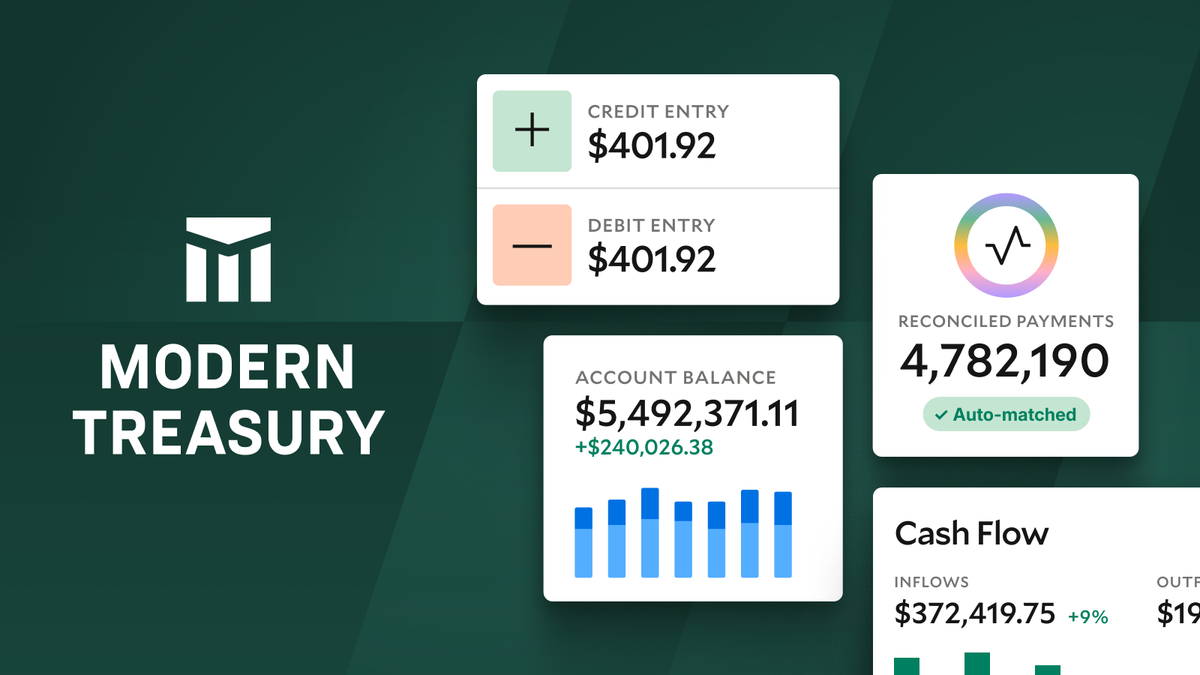
Build products that move money. Integrate payouts, direct debits, balance tracking and other payments use cases quickly and easily with Modern Treasury APIs.
Run a free AEO + signal audit for your domain.
AI Answer Engine Optimization (AEO)
List once. Convert intent from live AI conversations without heavy integration.
Payment APIs are sets of protocols and tools that allow software applications to process financial transactions electronically. They connect e-commerce platforms, SaaS products, and business systems to payment networks and processors to authorize and settle payments. This integration automates revenue collection, reduces manual errors, and enhances the customer checkout experience for businesses.
A business identifies its needed payment methods, currencies, compliance standards, and technical stack for the integration project.
Technical teams assess API documentation, security certifications, uptime guarantees, and scalability of shortlisted payment gateway providers.
Developers integrate the chosen API, configure payment flows, and rigorously test transactions in a sandbox environment before going live.
Integrate multiple payment gateways and alternative payment methods like digital wallets to reduce cart abandonment and increase global sales conversion.
Automate recurring billing, handle prorations, and manage customer payment methods securely to ensure predictable monthly recurring revenue (MRR).
Build core payment functionalities for peer-to-peer (P2P) transfers, bill pay services, and real-time payment processing within financial applications.
Facilitate secure split payments, escrow services, and instant payouts to multiple vendors while ensuring regulatory compliance for held funds.
Process large-ticket bookings, handle multi-currency pricing, and manage complex refund and cancellation policies automatically through the booking engine.
Bilarna evaluates Payment APIs providers through a proprietary 57-point AI Trust Score. This score rigorously assesses technical expertise, security compliance like PCI DSS, and proven delivery track record. We continuously monitor client satisfaction and platform reliability to ensure listed providers meet the highest B2B procurement standards.
Costs typically involve setup fees, a per-transaction processing rate, and sometimes a monthly minimum. Pricing models vary significantly between providers based on volume, features, and required support levels. Always request detailed quotes to compare the total cost of ownership.
A standard integration can take from two weeks to several months. The timeline depends on the complexity of your payment flows, the need for custom development, and the rigor of required security and compliance testing. A clear project scope and thorough API documentation are key accelerators.
Beyond cost, the critical factor is reliability, measured by uptime guarantees and a robust disaster recovery plan. Security compliance, such as PCI DSS Level 1 certification, and the quality of technical support for developers are equally vital for long-term operational stability.
A payment gateway is the API that securely transmits transaction data between a merchant and the processor. The payment processor is the financial institution that communicates with banks to authorize and settle the funds. Many providers offer both services as a bundled solution.
Yes, but migration requires careful planning to avoid service disruption. The process involves developing against the new API, migrating customer payment data securely, and running parallel tests. Planning for the transition period is essential for a smooth cutover.
Yes, payment plans are commonly available for purchasing a domain name. Many sellers offer zero percent financing, allowing you to spread the cost over several months, typically up to 12 or even 24 months. This makes it possible to acquire high-value domain names without the strain of a large upfront payment. However, there are important conditions: domains bought on a payment plan cannot be transferred to another registrar until all payments are completed. Also, full ownership and immediate domain access may be delayed until the plan is fulfilled. Always review the specific terms, including monthly amounts, duration, and any early payoff options, before committing to a payment plan.
Yes, many domain marketplaces offer payment plans for purchasing premium domain names. Instead of paying the full price upfront, buyers can spread the cost over several months, typically up to 12 or 24 months. For example, a domain priced at $2,295 might be available for monthly payments of around $95.63 over 24 months. The domain is delivered immediately upon starting the plan, but it remains locked and cannot be transferred to another registrar until all payments are completed. If the buyer defaults, the domain may be repossessed. Payment plans often come with zero percent financing, making them an attractive option for businesses that want to secure a domain without a large initial investment. Buyers should review the terms carefully before committing.
Yes, payment plans are commonly available for purchasing premium domain names, allowing buyers to pay in installments over time. These plans often span 12 to 24 months with monthly payments, and some sellers offer zero percent financing to make high-value domains more accessible. When using a payment plan, the domain is typically held by the seller until all payments are completed, and transfers to other registrars are restricted during this period. Buyers should review the terms carefully, as early repayment options or fees may apply. Payment plans democratize access to expensive domains by reducing upfront costs, but they require commitment to the full payment schedule.
Yes, payment plans are commonly available when buying premium domain names from specialized marketplaces. These plans allow buyers to spread the cost over time, typically offering terms from 12 to 24 months with monthly installments. A key feature is that these are often interest-free financing options, making high-value domains more accessible. The domain is usually held by the seller until the final payment is made, after which full ownership and the ability to transfer it to another registrar are granted. It's important to review the specific terms, as domains purchased on payment plans are generally not eligible for transfer until all payments are completed, and the money-back guarantee may have different conditions during the payment period.
Many prediction market APIs offer free access to their data, making them accessible for developers and traders who want to experiment or build applications without upfront costs. Reliability is a key factor, as these APIs provide real-time data crucial for timely decision-making. Providers often ensure stable uptime and accurate data delivery, but users should review specific API documentation and terms to understand any usage limits or premium features that may apply.
To understand data upload limits and payment requirements on analytics platforms, follow these steps: 1. Review the platform's account types, such as free and paid plans. 2. Check the data upload limits for each plan; free accounts often have row limits per upload. 3. Determine if a credit card is required for free or paid accounts. 4. Understand the cancellation policy for paid subscriptions, which usually allows cancellation at any time.
Many shared payment apps for flatmates aim to provide transparent pricing with no hidden fees. Typically, these apps allow users to split expenses, automate payments, and track spending without charging extra fees for basic services. However, some platforms may have optional premium features or transaction fees depending on the payment method or currency conversion. It's important to review the app's terms and conditions carefully to understand any potential charges. Choosing an app that clearly states its fee structure helps avoid unexpected costs and ensures a smooth experience managing shared expenses.
Yes, many water utilities and assistance programs in Detroit offer payment plans to help customers manage their water bills. These plans allow residents to pay their outstanding balances over time in smaller, more manageable installments rather than a lump sum. Payment plans can prevent service disconnections and reduce financial stress. To set up a payment plan, you usually need to contact the water utility provider or the assistance program directly. They will assess your situation and work with you to create a plan that fits your budget. It is important to stay in communication and adhere to the agreed payment schedule to maintain service.
Yes, modern QR code ordering systems are designed to integrate seamlessly with existing POS (Point of Sale) and payment systems. This integration allows orders placed via QR codes to be automatically entered into the restaurant’s POS, ensuring accurate and efficient order management. It also supports various payment gateways, enabling guests to pay online securely and conveniently. Integration helps staff manage orders without changing their usual workflow and supports features like real-time stock updates, upselling prompts, and bill payment options, enhancing overall operational efficiency.
Yes, QR code ordering systems can seamlessly integrate with existing POS (Point of Sale) and payment platforms. This integration allows orders placed via QR codes to be automatically entered into the POS system, enabling staff to manage orders as usual without manual input. Many systems support popular POS providers and payment gateways, ensuring smooth transaction processing and order tracking. This connectivity improves operational efficiency, reduces errors, and provides a unified workflow for both staff and management.