Step 1
Machine-Ready Briefs
AI translates unstructured needs into a technical, machine-ready project request.
We use cookies to improve your experience and analyze site traffic. You can accept all cookies or only essential ones.
 Bilarna
Stop browsing static lists. Tell Bilarna your specific needs. Our AI translates your words into a structured, machine-ready request and instantly routes it to verified Digital Food Ordering experts for accurate quotes.
AI translates unstructured needs into a technical, machine-ready project request.
Compare providers using verified AI Trust Scores & structured capability data.
Skip the cold outreach. Request quotes, book demos, and negotiate directly in chat.
Filter results by specific constraints, budget limits, and integration requirements.
Eliminate risk with our 57-point AI safety check on every provider.
Verified companies you can talk to directly
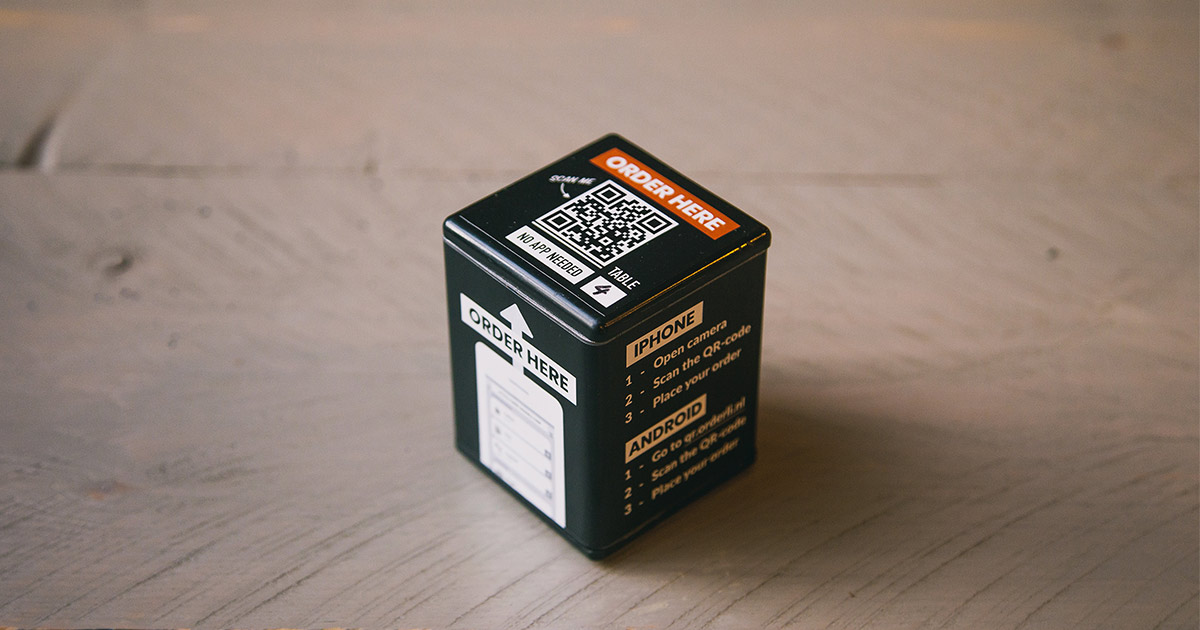
The best ordering solution for restaurants according to guests. Increase your profit with our mobile ordering system ✓ No setup fee ✓ Works with every POS. - Lower your costs and increase your profit with the mobile ordering app from Orderli!
Run a free AEO + signal audit for your domain.
AI Answer Engine Optimization (AEO)
List once. Convert intent from live AI conversations without heavy integration.
Digital food ordering is the process of procuring meals, catering, and food supplies for businesses through online platforms and integrated systems. It leverages specialized software to manage menus, place bulk orders, track deliveries, and handle corporate billing. This automation enhances operational efficiency, ensures compliance with dietary policies, and provides significant cost savings for company cafeterias and events.
Businesses outline their specific needs, including meal types, delivery schedules, dietary restrictions, and budget parameters for corporate catering.
Decision-makers assess software platforms that offer menu management, real-time ordering, delivery tracking, and seamless payment integration.
The chosen system is implemented to automate ordering, streamline vendor management, and provide analytics for cost control and menu optimization.
Automates daily meal programs and event catering for large offices, managing vendor relationships and employee meal allowances efficiently.
Integrates digital menus with property management systems to streamline in-room dining orders, billing, and kitchen operations.
Manages patient meal plans, special diets, and staff cafeteria services while ensuring strict compliance with nutritional guidelines.
Centralizes food ordering for multiple campus outlets, handling student meal plans, cashless payments, and inventory management.
Powers click-and-collect and delivery services for grocery chains and prepared food sections, syncing with inventory and POS systems.
Bilarna evaluates every digital food ordering provider using a proprietary 57-point AI Trust Score. This score rigorously assesses technical capabilities, integration expertise, client portfolio depth, and contractual reliability. Continuous AI monitoring on Bilarna ensures providers maintain high standards in delivery performance and data security compliance.
Costs vary based on deployment scale and features, typically involving SaaS subscription fees, per-transaction charges, and initial setup costs. Total expenditure depends on user count, integration complexity, and required support levels for your business catering needs.
A standard implementation takes 4 to 12 weeks, depending on system complexity and existing infrastructure. This timeline covers needs assessment, platform configuration, staff training, and integration with your corporate payment and HR systems.
Essential features include real-time menu management, dietary filter options, integrated payment processing, and detailed reporting analytics. Robust platforms should also offer mobile accessibility, automated invoicing, and seamless integration with existing cafeteria or POS systems.
Common pitfalls include overlooking integration capabilities with existing HR software, underestimating ongoing support needs, and choosing platforms without scalable menu management. Neglecting to verify the provider's track record with similar corporate clients is another frequent oversight.
Businesses typically achieve ROI through reduced administrative overhead, optimized food spend via data analytics, and improved employee satisfaction. Tangible outcomes include faster ordering cycles, minimized waste, and consolidated billing from multiple catering vendors.