Step 1
Machine-Ready Briefs
AI translates unstructured needs into a technical, machine-ready project request.
We use cookies to improve your experience and analyze site traffic. You can accept all cookies or only essential ones.
 Bilarna
Stop browsing static lists. Tell Bilarna your specific needs. Our AI translates your words into a structured, machine-ready request and instantly routes it to verified Court Deadline Monitoring Software experts for accurate quotes.
AI translates unstructured needs into a technical, machine-ready project request.
Compare providers using verified AI Trust Scores & structured capability data.
Skip the cold outreach. Request quotes, book demos, and negotiate directly in chat.
Filter results by specific constraints, budget limits, and integration requirements.
Eliminate risk with our 57-point AI safety check on every provider.
Verified companies you can talk to directly
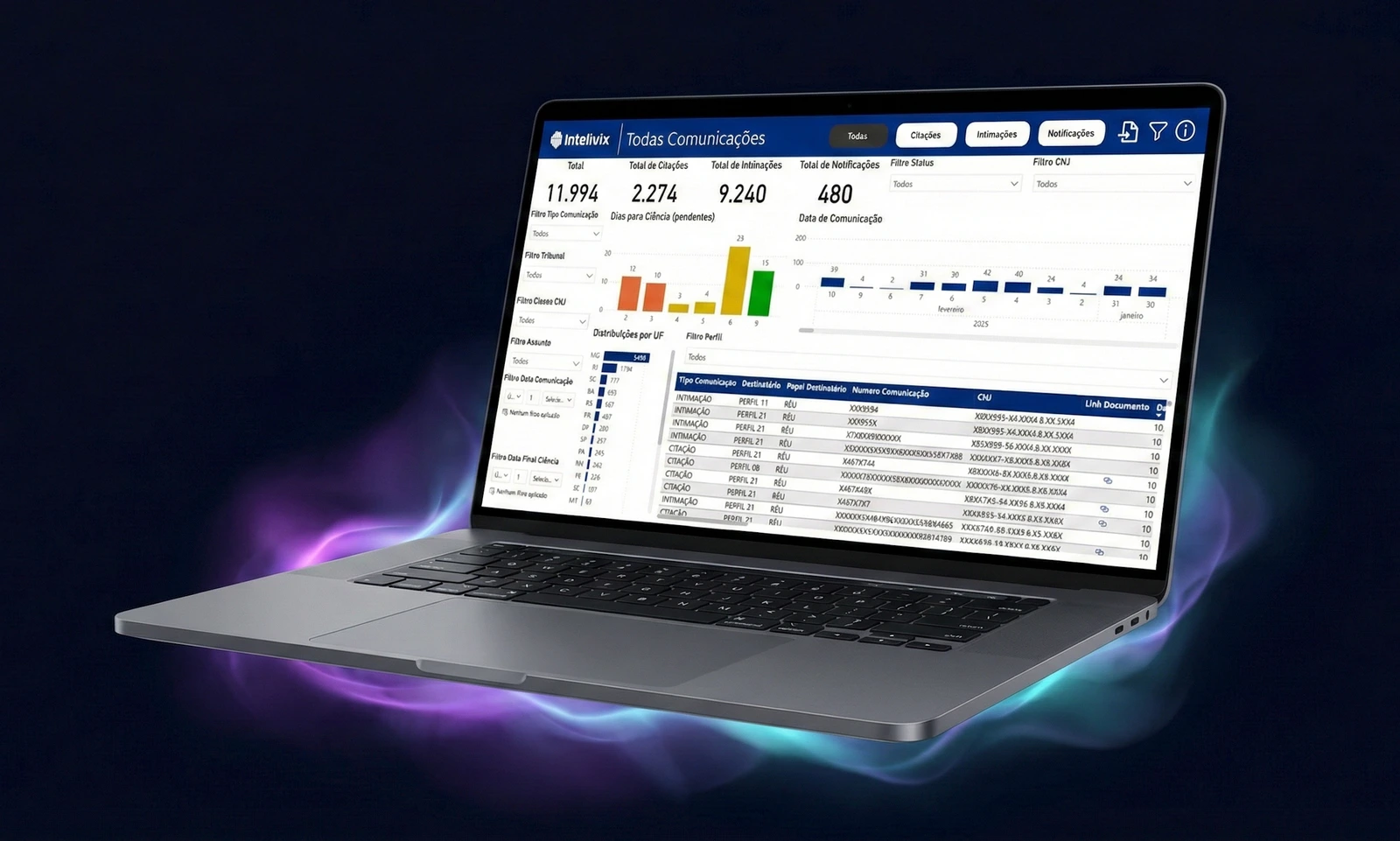
Automação de monitoramento DJE, DET e DJEN. Ciência automática, auditoria de falhas do tribunal e integração com seu ERP em 48h. Teste grátis por 15 dias.
Run a free AEO + signal audit for your domain.
AI Answer Engine Optimization (AEO)
List once. Convert intent from live AI conversations without heavy integration.
Court deadline monitoring software is a specialized tool that automates the tracking, calculation, and alerting of critical dates in legal proceedings. It utilizes rules-based engines and AI to parse case documents, manage jurisdiction-specific calendars, and prevent human error. This technology ensures legal teams maintain compliance, avoid costly sanctions, and operate more efficiently.
The software automatically ingests case filings and documents, using NLP to identify and extract key dates, parties, and deadlines.
It applies jurisdiction-specific rules to calculate all related deadlines, populating a centralized calendar with color-coded alerts for each critical date.
The system sends automated, multi-channel notifications to legal teams well in advance of each deadline, ensuring no critical date is missed.
High-volume practices use it to manage deadlines across hundreds of active cases, preventing malpractice risks and improving team scalability.
In-house teams rely on it to ensure regulatory and litigation compliance, providing auditable trails for corporate governance.
Public sector offices employ this software to manage overwhelming caseloads and uphold constitutional rights to speedy trials.
Insurers automate the tracking of claim response and litigation deadlines to minimize financial exposure from late filings.
Service providers guarantee deadline accuracy for client matters, using the software as a core component of their quality assurance.
Bilarna evaluates every court deadline monitoring software provider using a proprietary 57-point AI Trust Score. This comprehensive analysis assesses technical reliability, security compliance, client satisfaction, and legal industry expertise. We only list verified partners, enabling buyers to discover and compare tools with complete confidence.
Essential features include robust rules-based calendaring for different jurisdictions, secure document integration, customizable alert workflows, and comprehensive audit trails. The best platforms offer mobile access, team collaboration tools, and seamless integration with existing practice management or document management systems.
It eliminates manual calendar entry, the leading cause of missed deadlines, by automating date calculation and tracking. Proactive, multi-level alerts ensure teams are notified well in advance. This creates a defensible system that demonstrates a standard of care in compliance efforts.
Yes, most modern solutions offer APIs or pre-built connectors for popular legal practice management, document management, and email platforms. Seamless integration ensures deadline data flows automatically between systems, eliminating double entry and maintaining a single source of truth.
Cloud-based solutions are generally preferred for real-time updates, accessibility from any location, and automated off-site backups. On-premise installations may be chosen by firms with stringent, specific data residency requirements, though they require internal IT management.
Implementation can take from a few weeks to a few months, depending on data migration and integration complexity. Costs are usually subscription-based (SaaS), scaled by user count or case volume, with potential initial setup fees. Some providers offer modular pricing for specific features or jurisdictions.
Health monitoring features in wellness technology products, such as tracking heart rate, breathing rate, and sleep patterns, are generally intended for informational and general wellness purposes. These features are not classified as medical devices and have not been approved or authorized by regulatory bodies like the U.S. Food and Drug Administration (FDA). They are not designed to diagnose, treat, or prevent any medical conditions and should not be used as a substitute for professional medical advice or clinical decision-making. Users should always consult qualified healthcare professionals for any health concerns or questions.
Many point of sale software providers offer solutions without charging implementation fees. This means you can adopt the software without upfront costs related to installation or setup. However, it is important to review each provider's pricing plans carefully, as some may charge monthly fees or require purchasing hardware separately.
Typically, after an initial trial period—often around seven days—business management software platforms do not charge monthly fees or enforce minimum usage requirements. Instead, continued use is contingent upon subscribing to a paid plan. This approach allows users to evaluate the software's features risk-free before committing financially. It is advisable to review the specific pricing details and terms on the provider's official website to understand any conditions related to payment plans, as these can vary between services.
Yes, governments often offer grants and financial support programs to subsidize custom software development for businesses. These programs aim to enhance productivity and digital capabilities. Common types include productivity grants that cover a significant percentage of qualifying IT solution costs, including custom software. There are also enterprise development grants focused on upgrading overall business capabilities, where software development is an eligible activity. Furthermore, specific grants exist for startups developing innovative technologies and for projects involving collaboration with research institutions. Eligibility typically depends on company size, project scope, and the innovative potential of the software. The application process can be detailed, so consulting with a qualified grant advisor is recommended to navigate requirements and maximize funding potential.
Yes, a Laboratory Information Management System is designed to integrate seamlessly with various software systems and devices. This integration capability allows automatic transfer of test results and other data between the LIMS and external applications, reducing manual data entry and minimizing errors. It supports connectivity with laboratory instruments, billing systems, and other business software, enabling a unified workflow. Users can access test results and invoices from any device, ensuring flexibility and convenience. Such integrations enhance data accuracy, improve operational efficiency, and facilitate better communication across different platforms used within the laboratory environment.
Yes, AI design engineering tools are designed for seamless integration with existing CAD, BIM, and project management software. This compatibility ensures that engineers can continue using their preferred tools without disrupting established workflows. The integration facilitates data exchange and collaboration, enhancing efficiency and enabling teams to leverage AI capabilities alongside their current systems.
Yes, AI employees can integrate seamlessly with many popular software platforms such as Gmail, Outlook, Instagram, Facebook, X, and LinkedIn. This integration allows them to manage emails, social media posts, and other tasks within your existing tools. Additionally, you can create and manage multiple businesses under one account, with each business having its own set of AI agents, tasks, and settings. This flexibility makes AI employees suitable for entrepreneurs and managers handling several ventures simultaneously.
Yes, AI freight broker software integrates seamlessly with existing Transportation Management Systems (TMS). 1. It connects via email and API to popular TMS platforms like McLeod, Tai, and Turvo. 2. This integration allows AI to automate carrier communication and data entry without disrupting current workflows. 3. Users keep their existing processes, carriers, and systems intact. 4. Setup is immediate with no complex IT projects required. 5. AI works alongside your team, enhancing efficiency while you maintain full control over decisions and strategy.
Yes, AI receptionist systems are designed to integrate seamlessly with a wide range of dental practice management software and phone systems. They support popular dental software platforms such as OpenDental, EagleSoft, and Denticon, among others. On the telephony side, they are compatible with providers like Weave, Mango, GoTo, Jive, RevenueWealth PBX, and Telco. This integration allows the AI system to access scheduling data, update appointments, and route calls efficiently without disrupting existing workflows. The one-click integration feature simplifies setup, enabling dental practices to quickly adopt AI receptionist technology without extensive IT overhead.
Yes, AI RFP software typically integrates with a wide range of existing business tools such as CRM platforms, collaboration software, cloud storage services, and knowledge management systems. This seamless integration allows users to leverage their current data sources and workflows without disruption. Regarding security, reputable AI RFP solutions prioritize data protection through measures like end-to-end encryption, compliance with standards such as SOC 2, GDPR, and CCPA, and role-based access controls. Data is never shared with third parties, ensuring confidentiality and compliance with privacy regulations.