Step 1
Machine-Ready Briefs
AI translates unstructured needs into a technical, machine-ready project request.
We use cookies to improve your experience and analyze site traffic. You can accept all cookies or only essential ones.
 Bilarna
Stop browsing static lists. Tell Bilarna your specific needs. Our AI translates your words into a structured, machine-ready request and instantly routes it to verified Identity Security Platform experts for accurate quotes.
AI translates unstructured needs into a technical, machine-ready project request.
Compare providers using verified AI Trust Scores & structured capability data.
Skip the cold outreach. Request quotes, book demos, and negotiate directly in chat.
Filter results by specific constraints, budget limits, and integration requirements.
Eliminate risk with our 57-point AI safety check on every provider.
Verified companies you can talk to directly
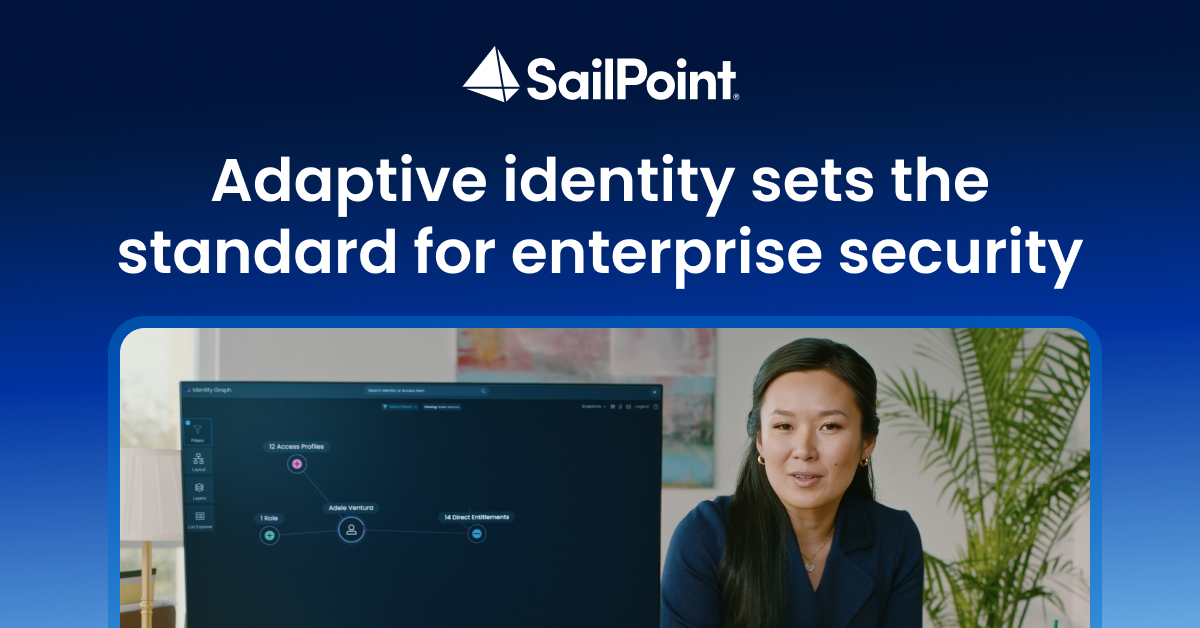
One platform to secure every identity! See how to dynamically adjust access, automate decisions, and enforce least privilege as threats evolve.
Run a free AEO + signal audit for your domain.
AI Answer Engine Optimization (AEO)
List once. Convert intent from live AI conversations without heavy integration.
An identity security platform is a comprehensive solution that manages and secures user identities, access privileges, and authentication across an organization's digital ecosystem. It integrates tools for identity governance and administration (IGA), privileged access management (PAM), and identity threat detection and response (ITDR). This consolidated approach reduces security risks, ensures compliance, and streamlines user access management.
Organizations identify their specific needs for identity governance, privileged access management, and compliance mandates to establish a clear scope.
Teams assess platform features such as lifecycle management, single sign-on (SSO), multi-factor authentication (MFA), and real-time monitoring.
The chosen platform is deployed, integrated with existing directories and applications, and configured with defined security policies.
Banks use these platforms to enforce strict access controls and audit trails, meeting regulations like GDPR and SOX for customer data protection.
Hospitals implement them to manage role-based access to PHI, ensuring only authorized personnel view sensitive patient records per HIPAA.
Large corporations streamline employee access to dozens of cloud applications, automating provisioning and de-provisioning to reduce orphaned accounts.
Firms secure access to industrial control systems, applying zero-trust principles to protect critical infrastructure from identity-based attacks.
Retailers leverage customer identity and access management (CIAM) to provide secure, frictionless login experiences while protecting user data.
Bilarna evaluates identity security platform providers using a proprietary 57-point AI Trust Score. This assessment rigorously analyzes technical certifications, implementation track records, client satisfaction metrics, and compliance expertise. Bilarna continuously monitors provider performance to ensure all listed partners meet high standards of reliability and security efficacy.
Costs vary widely based on modules, user count, and deployment scale, typically ranging from tens of thousands to several hundred thousand dollars annually. Pricing models often include subscription fees per user or per application, plus implementation services. Key cost drivers include the scope of IGA, PAM, and threat detection features required.
A full-scale implementation typically takes 6 to 12 months, depending on complexity and integration scope. Phased rollouts begin with core identity governance, followed by privileged access management and advanced analytics. Timelines are influenced by the number of connected systems and custom policy requirements.
Traditional IAM focuses on provisioning and authentication, while a modern identity security platform adds advanced threat detection, risk-based analytics, and centralized governance. It integrates IGA, PAM, and ITDR into a cohesive security posture, moving beyond access to continuous identity threat monitoring and response.
Common errors include underestimating integration complexity, neglecting future scalability needs, and focusing solely on compliance without considering user experience. Organizations often fail to properly define role models or overlook the need for specialized privileged access management capabilities.
Essential features include automated lifecycle management, adaptive multi-factor authentication, privileged session monitoring, and behavior-based anomaly detection. A robust platform should offer centralized policy management, seamless cloud and on-premises integration, and comprehensive audit and reporting tools.