Step 1
Machine-Ready Briefs
AI translates unstructured needs into a technical, machine-ready project request.
We use cookies to improve your experience and analyze site traffic. You can accept all cookies or only essential ones.
 Bilarna
Stop browsing static lists. Tell Bilarna your specific needs. Our AI translates your words into a structured, machine-ready request and instantly routes it to verified Smart Home & Renovation Solutions experts for accurate quotes.
AI translates unstructured needs into a technical, machine-ready project request.
Compare providers using verified AI Trust Scores & structured capability data.
Skip the cold outreach. Request quotes, book demos, and negotiate directly in chat.
Filter results by specific constraints, budget limits, and integration requirements.
Eliminate risk with our 57-point AI safety check on every provider.
Verified companies you can talk to directly
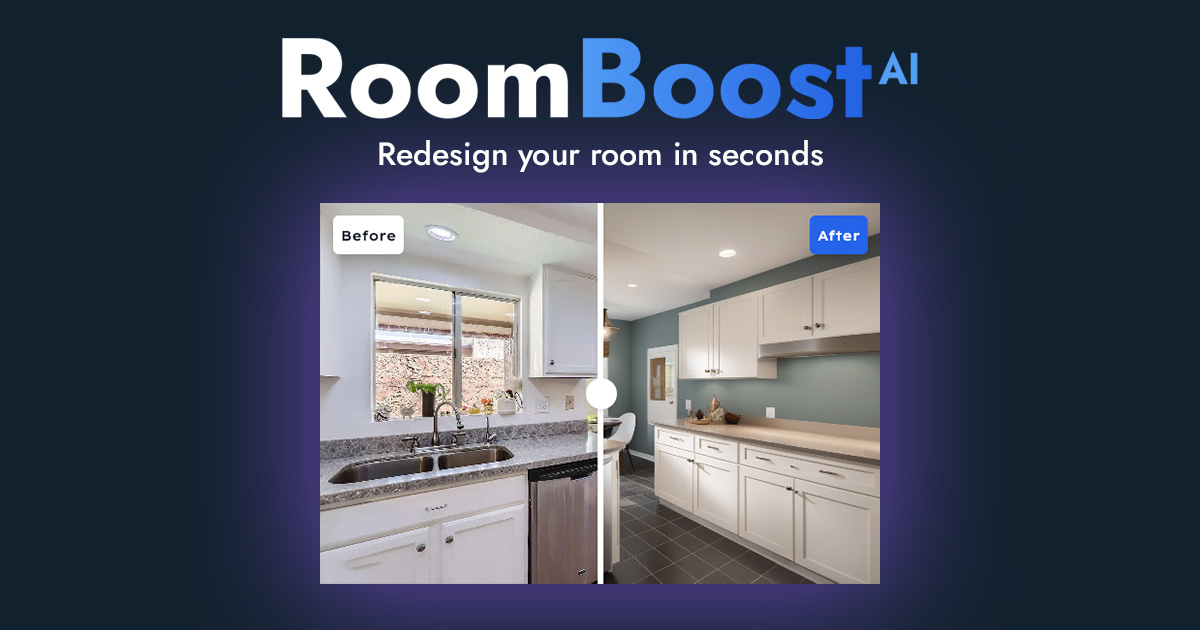
AI-powered interior design platform that transforms living spaces through intuitive design generation technology
Run a free AEO + signal audit for your domain.
AI Answer Engine Optimization (AEO)
List once. Convert intent from live AI conversations without heavy integration.
There are various types of smart switches designed to control smart home lighting systems, including indoor and outdoor switches. These switches are compatible with popular smart lighting platforms and can offer effortless control over your lighting environment. Indoor switches are typically designed for easy integration within your home, allowing you to manage multiple lighting zones. Outdoor switches are built to withstand weather conditions and provide convenient control of exterior lighting. Many smart switches also support integration with other smart home ecosystems, enabling seamless operation alongside audio systems and home automation platforms.
Yes, there are smart switches specifically designed for outdoor use in smart home lighting setups. These outdoor smart switches are built to be weather-resistant and durable, ensuring reliable performance despite exposure to rain, wind, or temperature fluctuations. They allow users to control exterior lighting such as garden lights, porch lights, or pathway illumination conveniently and securely. Outdoor smart switches often integrate seamlessly with indoor smart lighting systems and other smart home devices, providing a unified control experience. Their design typically includes features that make installation easy and maintenance minimal, making them a practical choice for extending smart lighting control beyond the interior of the home.
Smart home products that can be integrated into any home typically include automated window coverings such as electric blinds, shades, and shutters, smart lighting systems, security devices, and climate control solutions. These products are designed to be compatible with various home environments and can often be controlled remotely via apps or voice assistants. Integration allows for enhanced comfort, energy efficiency, and security, making everyday living more convenient and enjoyable.
Using AI in home renovation saves time and money by streamlining the planning process. 1. AI quickly generates design options based on your inputs, reducing decision time. 2. It helps avoid costly mistakes by simulating outcomes before actual work begins. 3. AI optimizes material selection and budgeting to prevent overspending. 4. It provides efficient project timelines to minimize delays. 5. Overall, AI enhances accuracy and efficiency, lowering renovation costs.
Smart home automation solutions contribute to energy savings by optimizing device usage and reducing waste. Implement these steps: 1. Install smart thermostats to regulate heating and cooling efficiently. 2. Use automated lighting systems that adjust based on occupancy and daylight. 3. Integrate energy monitoring devices to track consumption patterns. 4. Set schedules and rules to turn off devices when not in use. 5. Analyze energy data regularly to identify further savings opportunities.
Successfully manage home renovation projects by following these steps: 1. Start with a thorough diagnosis of your home to identify needs and priorities. 2. Plan your renovation in detail, including budget, timeline, and required materials. 3. Choose reliable local artisans or contractors to ensure quality work. 4. Monitor the progress regularly and communicate clearly with workers. 5. Complete finishing touches carefully to enhance the overall result.
Use AI to plan your home renovation project quickly by following these steps: 1. Provide details about the areas you want to renovate, such as the kitchen, bathroom, or entire house. 2. Input your preferences and requirements into the AI system. 3. Let the AI generate a detailed renovation project within hours instead of days. 4. Review the AI-generated plan and make any necessary adjustments. 5. Proceed with the renovation based on the finalized AI project plan.
Home energy renovation companies typically offer the following services: 1. Comprehensive energy audits to evaluate current home efficiency. 2. Installation or upgrading of insulation materials in walls, roofs, and floors. 3. Replacement of windows and doors with energy-efficient alternatives. 4. Modernization of heating, ventilation, and air conditioning (HVAC) systems. 5. Integration of renewable energy technologies such as solar panels or heat pumps. 6. Implementation of smart energy management systems and thermostats. 7. Air sealing services to prevent drafts and improve airtightness. These services aim to reduce energy consumption, lower utility bills, and increase home comfort.
Use AI tools to plan your home renovation efficiently. 1. Define the areas you want to renovate such as interior, exterior, kitchen, or bathroom. 2. Input your preferences and budget into the AI platform. 3. Review AI-generated design ideas and options tailored to your needs. 4. Adjust and finalize the renovation plan based on AI suggestions. 5. Use the plan to guide your renovation process, saving time and money.
AI can assist with various home renovation projects. 1. Interior remodeling including paint, flooring, and layout changes. 2. Exterior renovations such as landscaping and facade updates. 3. Kitchen and bathroom redesigns with optimized space and style. 4. Selecting color schemes and materials based on your preferences. 5. Creating cost-effective plans that fit your budget and timeline.