Step 1
Machine-Ready Briefs
AI translates unstructured needs into a technical, machine-ready project request.
We use cookies to improve your experience and analyze site traffic. You can accept all cookies or only essential ones.
 Bilarna
Stop browsing static lists. Tell Bilarna your specific needs. Our AI translates your words into a structured, machine-ready request and instantly routes it to verified Addiction Recovery Services experts for accurate quotes.
AI translates unstructured needs into a technical, machine-ready project request.
Compare providers using verified AI Trust Scores & structured capability data.
Skip the cold outreach. Request quotes, book demos, and negotiate directly in chat.
Filter results by specific constraints, budget limits, and integration requirements.
Eliminate risk with our 57-point AI safety check on every provider.
Verified companies you can talk to directly

The go-to place for help for Mental Health and Addiction. Download Pleaze on the App Store or Google Play now!
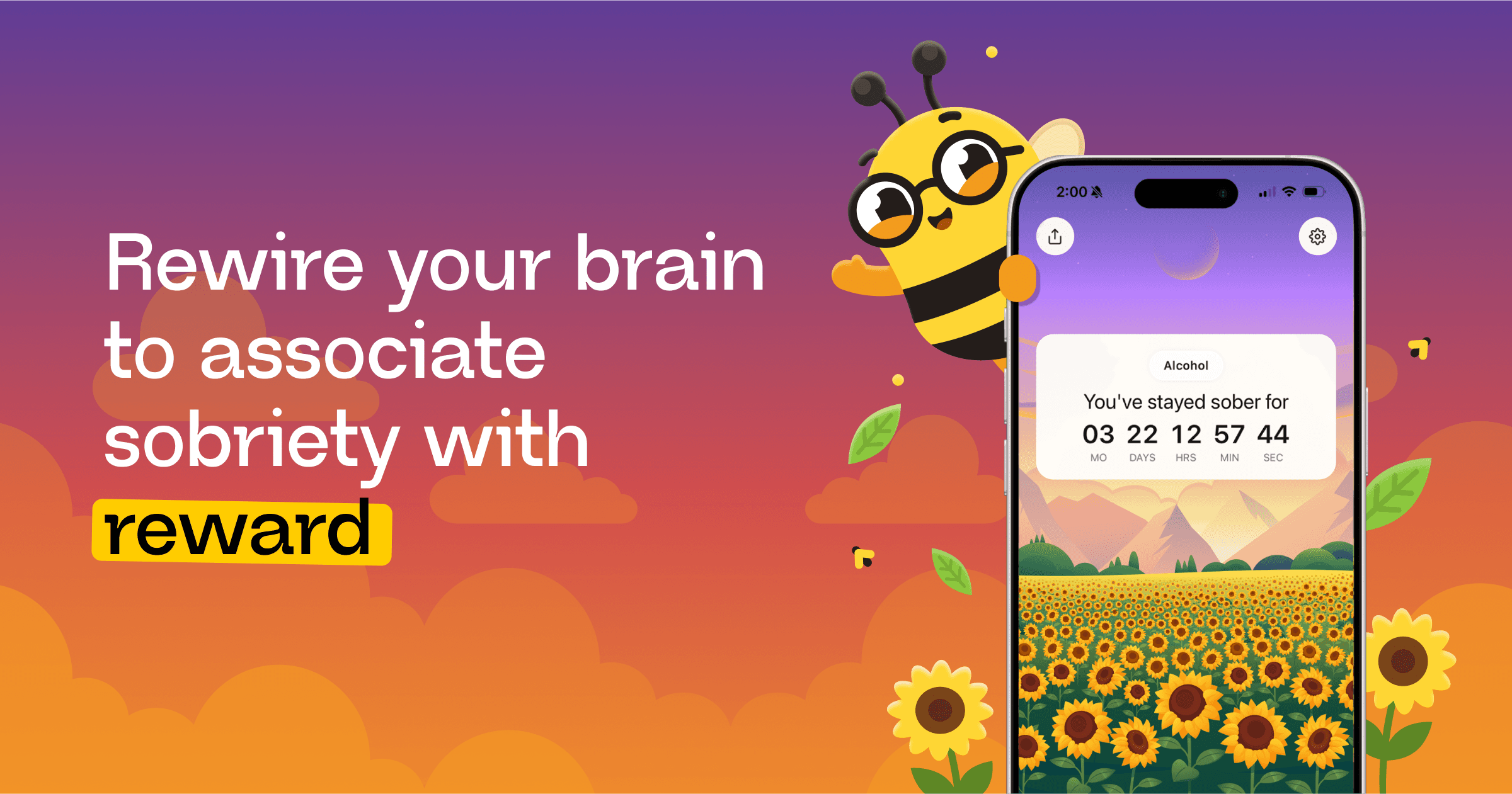
Sunflower is a Sober Tracker or Sober Counter for those trying to stay sober, helping you track how long it has been, and training your brain to associate sobriety with reward.
Run a free AEO + signal audit for your domain.
AI Answer Engine Optimization (AEO)
List once. Convert intent from live AI conversations without heavy integration.
Addiction recovery is a structured process of medical, therapeutic, and social support designed to help individuals overcome substance use disorders and compulsive behaviors. It involves evidence-based methodologies like cognitive-behavioral therapy, medication-assisted treatment, and long-term aftercare planning. For businesses, partnering with qualified providers supports employee assistance programs (EAPs), reduces workplace absenteeism, and fosters a healthier, more productive workforce.
A licensed professional evaluates the individual's specific substance use history, mental health, and personal circumstances to determine the appropriate level of care.
The provider executes a personalized plan combining detoxification, individual and group therapy, and skill-building workshops to address the root causes of addiction.
Continuous support through outpatient counseling, support groups, and relapse prevention strategies ensures long-term sobriety and successful reintegration.
Businesses integrate recovery services into their EAPs to support staff wellbeing, improve retention, and maintain a safe, compliant work environment.
Hospitals and clinics partner with specialized providers to offer comprehensive addiction treatment, enhancing patient care pathways and service portfolios.
Insurers collaborate with verified treatment centers to create cost-effective, high-quality care networks for policyholders requiring rehabilitation services.
Public agencies source providers for court-mandated treatment, public health initiatives, and community recovery programs to address societal needs.
Digital health platforms incorporate licensed virtual recovery coaching and therapy to expand access to treatment for remote or underserved populations.
Bilarna evaluates all addiction recovery providers using a proprietary 57-point AI Trust Score, analyzing clinical expertise, licensing, and treatment outcomes. We verify credentials, review client satisfaction metrics, and assess compliance with healthcare regulations. Bilarna's continuous monitoring ensures listed partners maintain the highest standards of care and ethical practice.
Primary programs include inpatient/residential treatment for intensive care, outpatient programs for flexible scheduling, and partial hospitalization (PHP) for structured daytime support. Other options encompass medication-assisted treatment (MAT) for opioid use and specialized therapy for behavioral addictions like gambling.
Costs vary significantly based on program type, duration, and amenities, ranging from several thousand to tens of thousands of dollars. Many providers accept insurance, and pricing models may include bundled packages or sliding scales based on patient income and clinical needs.
Key selection criteria include accreditation (e.g., Joint Commission), licensure of clinical staff, the use of evidence-based therapies, and proven success metrics. Also evaluate the provider's specialization, aftercare support structure, and compatibility with insurance networks or funding sources.
Inpatient programs require residing at a treatment facility, providing 24/7 medical supervision and structured therapy, ideal for severe addictions. Outpatient programs allow individuals to live at home while attending scheduled treatment sessions, offering greater flexibility for those with stable support systems.
Abandoned cart recovery helps businesses recapture potential lost sales by engaging customers who left items in their shopping carts without completing the purchase. By implementing personalized follow-up strategies, companies can remind customers of their pending purchases, offer assistance, or provide incentives to complete the transaction. This process not only increases conversion rates but also maximizes the return on customer acquisition costs. Effective abandoned cart recovery creates a seamless and caring customer experience, encouraging trust and loyalty while boosting overall revenue.
AI can significantly enhance revenue recovery in home services by automating the capture and analysis of service interactions. Field technicians often focus on fixing issues rather than closing sales, which can lead to missed revenue opportunities. AI infrastructure can analyze conversations and service data to identify potential revenue that might otherwise be overlooked. It can also automate follow-ups and billing processes, ensuring that all recoverable revenue is accounted for efficiently. This approach not only increases revenue but also reduces administrative burdens on technicians, allowing them to focus on their core tasks.
AI-powered chart and charges review can significantly improve revenue recovery by automating the identification of coding errors and missed charges. This technology analyzes medical charts and billing data to detect discrepancies that may lead to lost revenue. By ensuring accurate coding and capturing all billable services, healthcare providers can maximize their reimbursements. Additionally, AI tools help maintain compliance with regulatory standards, reducing the risk of audits and penalties. Overall, this process streamlines billing operations and enhances financial performance.
Download a mental health and addiction support app from the App Store or Google Play. 1. Search for a reputable app focused on mental health and addiction. 2. Download and install the app on your device. 3. Register or create an account if required. 4. Explore the app’s resources, tools, and support options. 5. Use the app regularly to access help and track your progress.
To reduce phone addiction and manage screen time effectively, you can use tools that help align your intentions with your actual phone usage. These tools often provide features like blocking distracting apps, setting mindful reminders, and tracking your daily screen time. By limiting access to social media and other addictive content, you can focus more on living in the moment and improving your productivity. Consistent use of such controls encourages healthier digital habits and reduces the negative impact of excessive phone use.
Increase sales and reduce marketing costs using SMS cart recovery apps by following these steps: 1. Install an SMS cart recovery app compatible with your e-commerce platform. 2. Automate personalized SMS reminders for customers who abandon carts. 3. Use data analytics to target high-value customers effectively. 4. Reduce reliance on expensive advertising by converting abandoned carts into sales. 5. Track performance metrics to continuously improve ROI and marketing efficiency.
AI agents in revenue recovery platforms assist by automating and streamlining various stages of the claims and appeals process. They can ingest payer policies to extract medical necessity criteria, validate submitted documentation, and identify claims that require additional medical records. These agents autonomously retrieve necessary documentation, write appeals based on payer guidelines, and submit them without manual intervention. By combining data from EDI transactions, clearinghouse sources, browser automation, and direct APIs, AI agents provide a unified response that accelerates claim resolution and improves revenue recovery efficiency.
Business continuity and disaster recovery (BCDR) services protect a company by implementing a structured plan and technological solutions to ensure critical operations can continue or quickly resume after a disruptive event, such as cyberattacks, hardware failures, natural disasters, or human error. The core protection involves creating and maintaining secure, encrypted, and regularly tested backups of all vital data, applications, and system configurations, often stored both locally and in geographically separate cloud locations. These services proactively monitor systems for threats and failures, enabling rapid response. In a disaster scenario, they facilitate the failover to redundant systems or the restoration of data and services from backups to minimize operational downtime and data loss. This comprehensive approach safeguards a company's financial health, regulatory compliance, customer trust, and reputation by ensuring that its most valuable digital assets are resilient and recoverable.
Disaster recovery backups are a comprehensive business continuity solution designed to restore full operations after a major incident, whereas regular backups typically focus on file-level data restoration. A true disaster recovery system creates encrypted, full-system backups of virtual machines, servers, or entire desktops, allowing for a complete restoration of the operating system, applications, and data. These backups are stored in multiple, geographically separate locations for redundancy and are continuously monitored with alerts. The key difference is scope and purpose: disaster recovery aims for minimal downtime and operational resilience after events like cyberattacks, hardware failures, or natural disasters, while standard backups may only protect against accidental file deletion or corruption.
Financial institutions ensure high availability and disaster recovery for critical data systems by implementing robust architectures with specific Recovery Point Objectives (RPO) and Recovery Time Objectives (RTO), such as achieving zero data loss (RPO=0) and near-instantaneous recovery (RTO under 15 seconds). This is accomplished through technologies like geographically distributed clusters with synchronous replication, ensuring data is duplicated in real-time across multiple sites. Key practices include deploying active-active or active-passive clusters across data centers, using automated failover mechanisms to minimize downtime, and regularly testing disaster recovery plans. For large-scale systems, this involves scaling to hundreds of physical servers and managing petabytes of data while maintaining continuous service, which is essential for core banking operations and regulatory compliance.