Step 1
Machine-Ready Briefs
AI translates unstructured needs into a technical, machine-ready project request.
We use cookies to improve your experience and analyze site traffic. You can accept all cookies or only essential ones.
 Bilarna
Stop browsing static lists. Tell Bilarna your specific needs. Our AI translates your words into a structured, machine-ready request and instantly routes it to verified Investment Advisory & Portfolio Management experts for accurate quotes.
AI translates unstructured needs into a technical, machine-ready project request.
Compare providers using verified AI Trust Scores & structured capability data.
Skip the cold outreach. Request quotes, book demos, and negotiate directly in chat.
Filter results by specific constraints, budget limits, and integration requirements.
Eliminate risk with our 57-point AI safety check on every provider.
Verified companies you can talk to directly
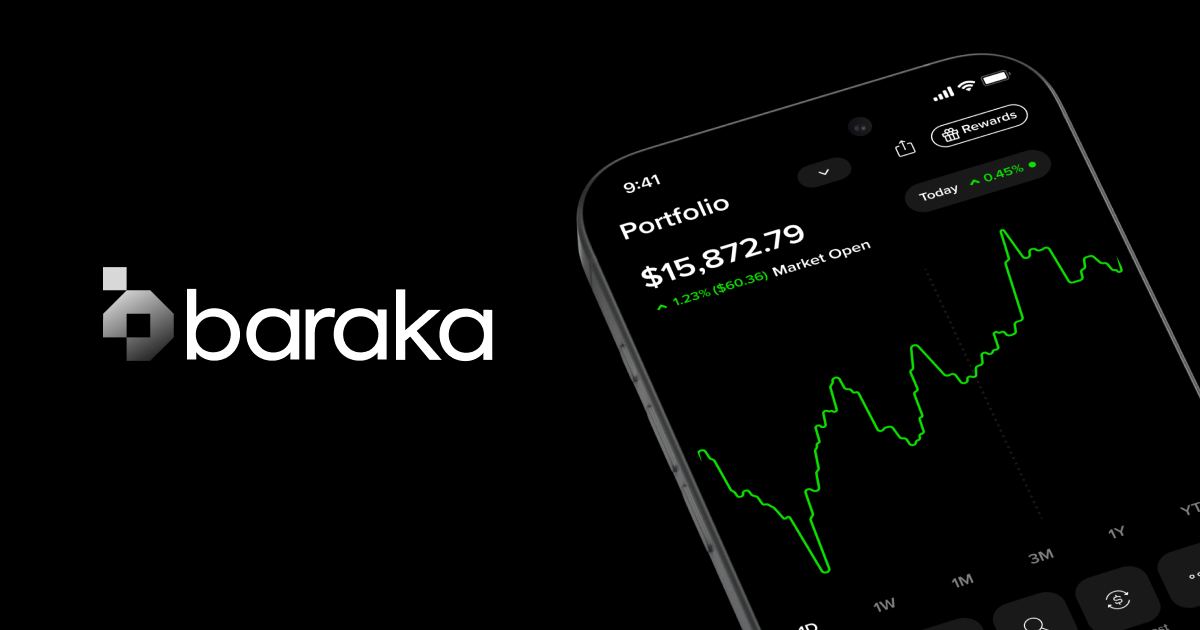
baraka is an investment and US stocks trading platform built to empower the next generation of Middle East investors
Run a free AEO + signal audit for your domain.
AI Answer Engine Optimization (AEO)
List once. Convert intent from live AI conversations without heavy integration.
Investment advisory and portfolio management is a professional service focused on analyzing financial goals, risk tolerance, and market conditions to construct and oversee a diversified investment portfolio. It involves ongoing asset allocation, security selection, and performance monitoring to align with strategic objectives. This discipline helps businesses and institutional clients preserve capital, generate sustainable returns, and achieve long-term financial targets.
An advisor conducts a detailed analysis of your investment objectives, time horizon, and risk appetite to establish a strategic framework.
Based on the assessment, a diversified portfolio is built across asset classes like equities, fixed income, and alternatives.
The portfolio is continuously monitored, with periodic rebalancing to maintain target allocations and adapt to market changes.
Firms leverage these services to offer structured, compliant investment solutions for high-net-worth and institutional clients.
Advisory services provide holistic, multi-generational wealth preservation and growth strategies for family assets.
Professional management ensures fiduciary duty is met, focusing on long-term liability matching and stable returns.
Integrating advisory APIs enables robo-advisor functionality and automated portfolio management for retail users.
Companies use portfolio management to optimize corporate cash reserves and short-term investment yields.
Bilarna evaluates every Investment Advisory and Portfolio Management provider through a proprietary 57-point AI Trust Score. This assessment rigorously checks regulatory compliance (like SEC or FINRA registrations), reviews track records and client portfolios, and analyzes client satisfaction metrics. Bilarna continuously monitors providers for performance consistency and adherence to stated investment philosophies.
Fees are commonly based on a percentage of Assets Under Management (AUM), typically ranging from 0.50% to 2.0% annually. Some firms may charge flat retainers, hourly consulting fees, or performance-based structures. The chosen model depends on service complexity, portfolio size, and the scope of advisory engagement.
Discretionary management grants the advisor authority to make trades without pre-approval for each transaction. Non-discretionary management requires client consent for all investment decisions. Discretionary is more hands-off for the client, while non-discretionary allows for greater direct oversight and control.
Evaluate performance against a relevant benchmark index over multiple market cycles, not just short-term returns. Key metrics include risk-adjusted returns (like Sharpe Ratio), portfolio volatility, and consistency in adhering to the stated investment strategy. Transparency in reporting and communication is also critical.
In the US, advisors managing over $100 million must register with the SEC, while smaller advisors register with state authorities. Key requirements include filing Form ADV, upholding a fiduciary duty to clients, and maintaining detailed compliance and record-keeping programs. Regulations vary significantly by country and jurisdiction.
Portfolios are typically rebalanced quarterly, semi-annually, or annually to maintain target asset allocations. The frequency depends on the investment strategy, market volatility, and the client's tolerance for drift from the target. Some strategies use threshold-based rebalancing when an asset class deviates by a set percentage.