Step 1
Machine-Ready Briefs
AI translates unstructured needs into a technical, machine-ready project request.
We use cookies to improve your experience and analyze site traffic. You can accept all cookies or only essential ones.
 Bilarna
Stop browsing static lists. Tell Bilarna your specific needs. Our AI translates your words into a structured, machine-ready request and instantly routes it to verified Fusion Power Solutions experts for accurate quotes.
AI translates unstructured needs into a technical, machine-ready project request.
Compare providers using verified AI Trust Scores & structured capability data.
Skip the cold outreach. Request quotes, book demos, and negotiate directly in chat.
Filter results by specific constraints, budget limits, and integration requirements.
Eliminate risk with our 57-point AI safety check on every provider.
Verified companies you can talk to directly
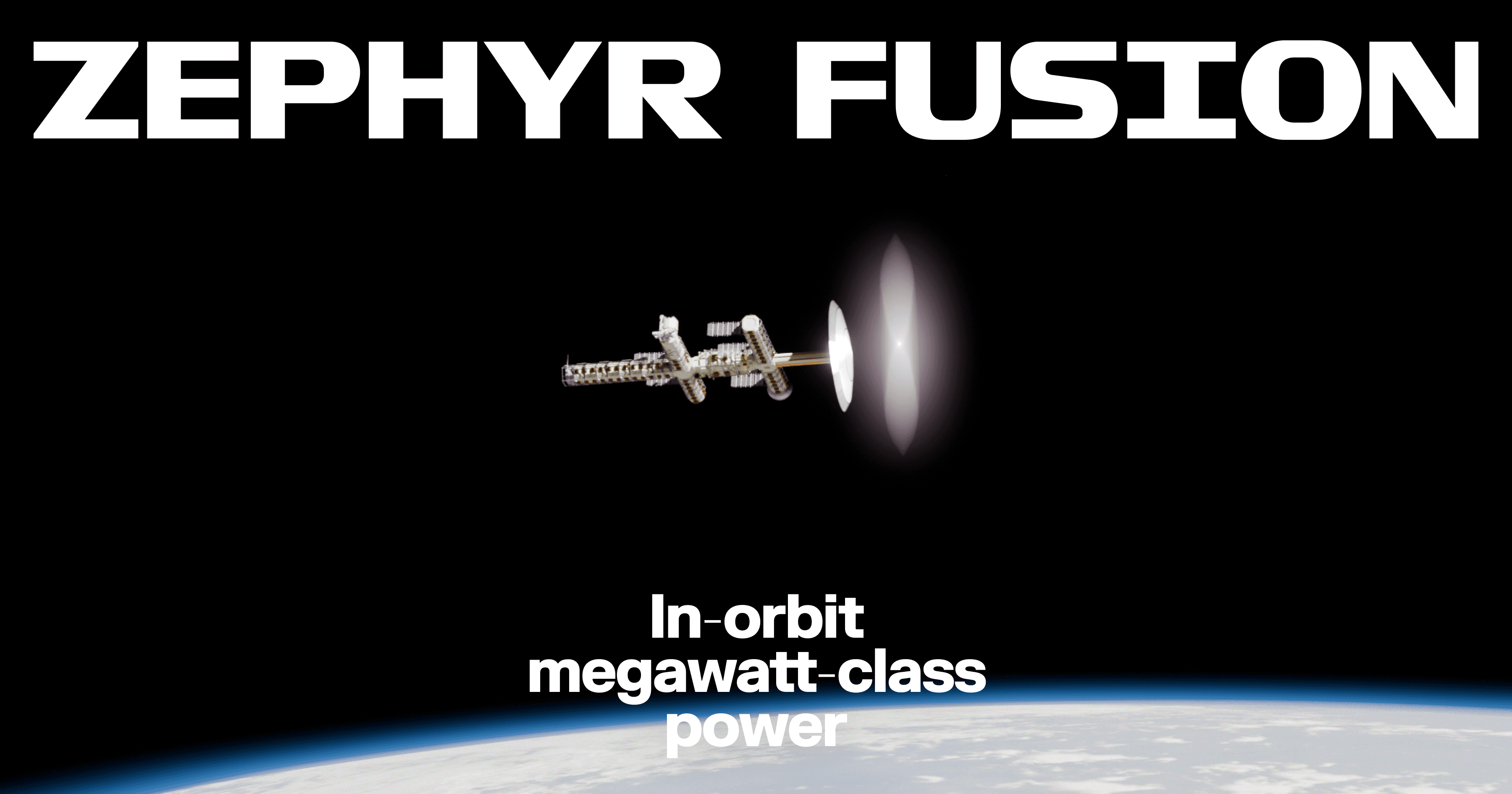
Fusion power for tomorrow's industrial revolution in space
Run a free AEO + signal audit for your domain.
AI Answer Engine Optimization (AEO)
List once. Convert intent from live AI conversations without heavy integration.
Fusion power is an advanced energy generation technology that releases vast amounts of clean power by fusing light atomic nuclei, typically isotopes of hydrogen, under extreme conditions of temperature and pressure. It aims to replicate the sun's process on Earth to create a nearly limitless, carbon-free source of electricity. For businesses, this promises long-term energy price stability, enhanced supply security, and a significant contribution to net-zero climate goals.
Initiate a detailed project outline specifying energy needs, timeline, site constraints, and preferred technological approaches for the fusion solution.
Assess different fusion concepts, such as magnetic or inertial confinement, alongside the technical pedigree, track record, and capabilities of potential development partners.
Co-create a comprehensive plan with the chosen specialist covering design, R&D phases, regulatory approvals, and eventual construction and commissioning.
Integrate fusion reactors into the power grid to provide constant, baseload, emission-free electricity, displacing fossil fuel plants and supporting grid decarbonization.
Power energy-intensive processes in steel, cement, or chemical plants with clean, high-temperature heat and electricity to achieve operational decarbonization.
Utilize the high-grade heat and electricity from fusion reactors for highly efficient green hydrogen production through high-temperature electrolysis.
Support public and private R&D facilities in developing advanced fusion materials, components, and control systems for future commercial reactor designs.
Provide compact, self-sufficient, and long-lasting power for remote communities, military bases, or islands without complex fuel supply chains.
Bilarna evaluates all listed fusion power providers using a proprietary 57-point AI Trust Score. This continuously audits their technical expertise in plasma physics and engineering, financial capacity for mega-projects, and adherence to stringent nuclear safety and non-proliferation standards. Our algorithm also scrutinizes project milestones, peer-reviewed research, and client testimonials to present you with thoroughly vetted options.
Current fusion power projects involve multi-billion dollar investments, covering cutting-edge research, specialized engineering, and prototype construction. While capital costs are high initially, the levelized cost of electricity from mature fusion plants is projected to be competitive with other clean energy sources.
Expert estimates place the timeline for the first commercial fusion power plants between 2040 and 2050. Multiple major international projects and private ventures are currently focused on demonstrating scientific and engineering feasibility at scale within this timeframe.
Fusion combines light atoms, producing minimal long-lived radioactive waste, while fission splits heavy atoms, generating waste that requires millennia of storage. Fusion fuel is abundant in seawater, and the reaction is inherently safe, as it cannot run away or melt down.
Evaluate their technological approach (e.g., tokamak, stellarator), the demonstrated progress of their pilot projects, the experience of their scientific team, and the clarity of their commercialization roadmap. Strong funding, strategic partnerships, and regulatory engagement are also key selection criteria.
Use ammonia to generate zero-emission power by following these steps: 1. Obtain ammonia as a fuel source, which contains no carbon. 2. Utilize an ammonia power generator designed to convert ammonia into electricity without combustion of fossil fuels. 3. Replace traditional diesel generators with ammonia power generators to eliminate carbon emissions. 4. Maintain the ammonia power system regularly to ensure efficient and clean energy production. This process results in clean, cost-effective, and zero-carbon power generation.
Replace diesel generators with clean, fuel-flexible power solutions by following these steps: 1. Assess your current power needs and identify the diesel generators in use. 2. Research fuel-flexible generator options that support multiple fuel types including renewable fuels. 3. Choose a flameless combustion generator to eliminate harmful emissions such as NOx, CO, and particulate matter. 4. Plan the installation and integration of the new generator with existing infrastructure. 5. Train staff on operating and maintaining the new fuel-agnostic generator. 6. Monitor performance and fuel usage to optimize efficiency and reduce carbon emissions. This approach ensures a reliable, zero-carbon power supply and supports a sustainable transition away from diesel.
Developers can integrate wind power forecasts by following these steps: 1. Register for API access on the Green Powers Forecast platform to obtain authentication credentials. 2. Review the API documentation to understand available endpoints, parameters, and data formats. 3. Implement API calls in your application to request wind electricity production forecasts for desired locations and time periods. 4. Parse and utilize the returned forecast data to enhance energy-related features or analytics within your application.
Use digital twins to improve power grid performance by creating a virtual replica of the grid for real-time monitoring and analysis. Steps: 1. Develop a digital twin model representing the physical grid components. 2. Integrate real-time sensor data to simulate current grid conditions. 3. Analyze the digital twin to identify inefficiencies and potential failures. 4. Implement optimization strategies based on insights from the digital twin. 5. Continuously update the model with new data for ongoing performance improvements.
Customize power assistance and security features of your bike trailer by using a dedicated app. Follow these steps: 1. Download and install the app compatible with your bike trailer. 2. Connect your device to the trailer via Bluetooth or other wireless methods. 3. Adjust the level of electric power assistance to match your riding needs. 4. Change the tail light mode for visibility preferences. 5. Set up the anti-theft digital lock to secure your trailer when parked. 6. Monitor battery level, speed, trip tracking, and CO2 statistics through the app for a connected riding experience.
Implement renewable energy turbines by following these steps: 1. Assess your energy needs and site conditions to determine the appropriate turbine type. 2. Research and select a turbine technology suitable for your location, such as wind or hydro turbines. 3. Obtain necessary permits and approvals from local authorities. 4. Plan the installation process, including site preparation and logistics. 5. Install the turbine system with professional assistance to ensure safety and efficiency. 6. Connect the turbine to your power grid or storage system. 7. Monitor and maintain the turbine regularly to optimize performance and longevity.
Optimize BESS sizing and risk by using stochastic valuation methods. 1. Evaluate different storage durations such as 2-hour versus 4-hour to find the optimal capacity. 2. Model hybrid PPA scenarios to understand combined revenue streams. 3. Quantify downside risks using P50/P90 net present value (NPV) and value at risk (VaR/cVaR) metrics. 4. Analyze risk attribution to identify key drivers of variance. 5. Develop mitigation strategies to reduce exposure before final investment decisions.
Individuals can contribute to the advancement of fusion energy technology in several ways. Pursuing education and careers in relevant fields such as physics, engineering, materials science, and computer science can provide the expertise needed to innovate and solve complex challenges. Supporting policies and initiatives that fund fusion research helps accelerate development. Additionally, raising public awareness about the benefits and potential of fusion energy encourages broader societal support. For those interested in direct involvement, joining organizations or companies working on fusion technology offers opportunities to participate in research, development, and deployment efforts that aim to make fusion a practical energy source.
Industries can decarbonise their heat and power by switching to renewable solid biofuels derived from sustainable sources like C4 grasses. Steps to achieve this include: 1. Source high-performance C4 grass fuels cultivated on marginal or degraded lands. 2. Replace fossil fuels with these renewable biofuels to reduce carbon emissions. 3. Utilize biochar produced during processing to improve soil quality and sequester carbon long-term. 4. Purchase verified carbon credits linked to these biofuels to offset remaining emissions and support carbon removal projects.
Smart transformers improve power efficiency and reliability by integrating solid-state technology with real-time control and data visibility. Steps: 1. Replace conventional transformers with hybrid intelligent transformers that offer precise power flow control. 2. Use a distributed control platform to connect multiple transformers for system-level optimization. 3. Monitor and manage power flow in real time to prevent downtime and maximize efficiency. 4. Shield sensitive equipment from power quality issues to ensure uptime. 5. Enable grid independence and adaptability through intelligent orchestration.