Step 1
Machine-Ready Briefs
AI translates unstructured needs into a technical, machine-ready project request.
We use cookies to improve your experience and analyze site traffic. You can accept all cookies or only essential ones.
 Bilarna
Stop browsing static lists. Tell Bilarna your specific needs. Our AI translates your words into a structured, machine-ready request and instantly routes it to verified Energy Management System experts for accurate quotes.
AI translates unstructured needs into a technical, machine-ready project request.
Compare providers using verified AI Trust Scores & structured capability data.
Skip the cold outreach. Request quotes, book demos, and negotiate directly in chat.
Filter results by specific constraints, budget limits, and integration requirements.
Eliminate risk with our 57-point AI safety check on every provider.
Verified companies you can talk to directly
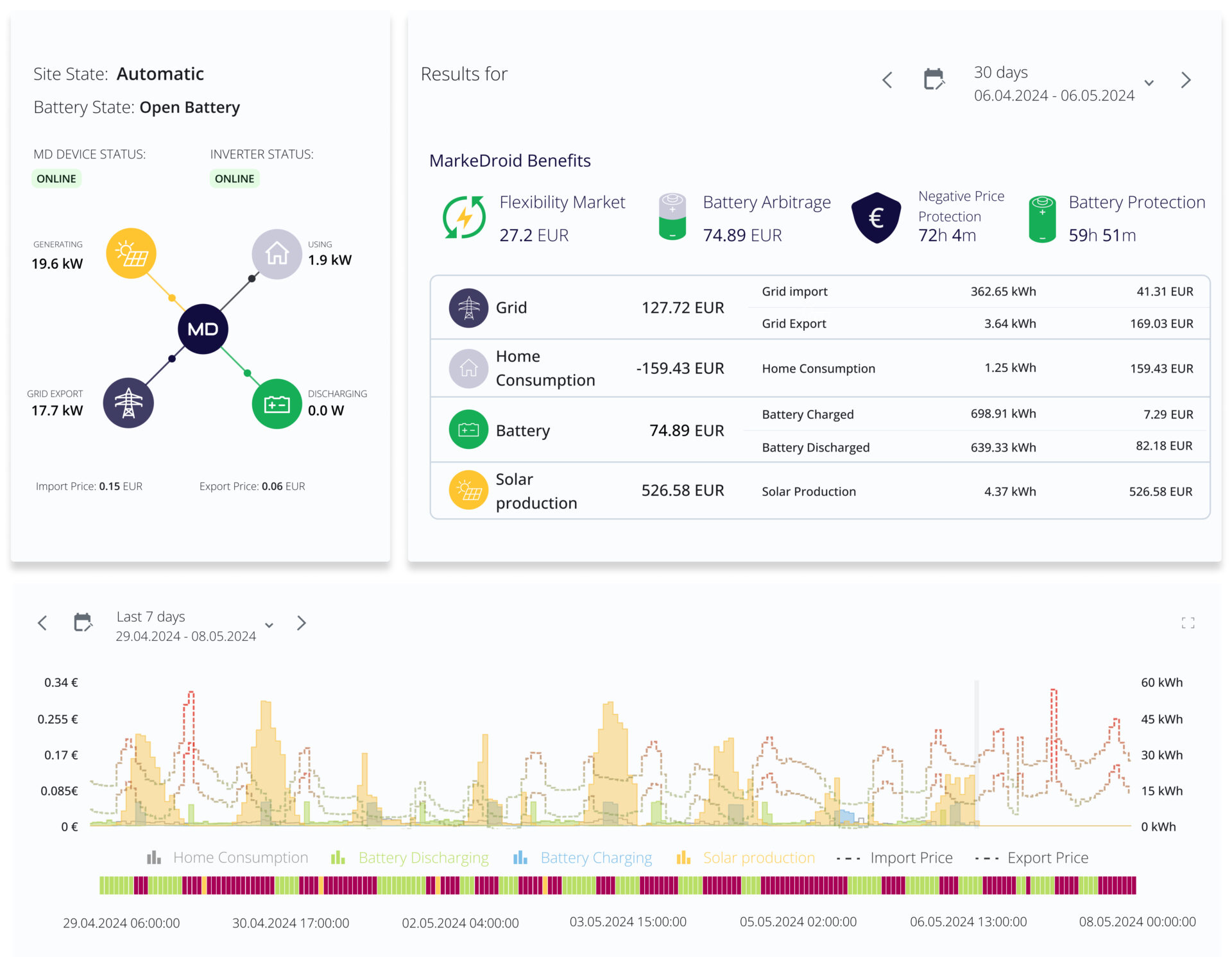
MarkeDroid is the world’s most adaptable energy management system that helps installers and siteowners profit from turning traditional energy systems into AI-powered solutions.
Reliable smart energy solutions within the reach of emerging markets.
Run a free AEO + signal audit for your domain.
AI Answer Engine Optimization (AEO)
List once. Convert intent from live AI conversations without heavy integration.
An energy management system (EMS) is a software-based platform that monitors, controls, and optimizes the energy consumption of facilities and equipment. It utilizes IoT sensors, data analytics, and automation to provide real-time visibility into energy usage patterns. Implementing an EMS leads to significant cost reductions, improved sustainability, and enhanced operational efficiency for businesses.
An EMS collects real-time data from meters and IoT sensors across the electrical infrastructure to establish a detailed baseline of energy usage.
The platform's analytics engine processes the data to pinpoint inefficiencies, waste, and opportunities for optimization across different systems and timeframes.
Based on insights, the system automatically adjusts equipment settings, schedules operations, and implements control strategies to reduce energy demand and costs.
EMS solutions manage high-intensity loads from machinery and production lines, optimizing schedules to leverage off-peak tariffs and reduce peak demand charges.
Building managers use EMS to centrally control HVAC, lighting, and other systems across multiple properties, ensuring comfort while minimizing energy spend.
These systems are critical for monitoring power usage effectiveness (PUE) and managing the cooling and server loads that dominate a data center's energy profile.
A robust EMS ensures 24/7 power reliability for critical care while managing the substantial energy demands of medical equipment, labs, and sterile environments.
EMS platforms optimize refrigeration, lighting, and HVAC systems across numerous store locations, directly impacting the chain's overall utility expenditure.
Bilarna evaluates every energy management system provider through a proprietary 57-point AI Trust Score, ensuring you engage with qualified experts. This score rigorously assesses technical certifications, proven project portfolios in energy optimization, and verified client satisfaction metrics. Bilarna's continuous monitoring checks for compliance with industry standards and tracks delivery performance over time.
Implementation costs vary widely based on facility size, complexity, and chosen software features, typically ranging from a subscription for cloud software to a significant capital investment for enterprise-grade solutions. The ROI is usually calculated through achieved energy savings, often paying back the initial investment within 1-3 years.
Basic utility monitoring only tracks total consumption, while a full energy management system provides granular, real-time data per circuit or machine. An EMS includes analytical tools to diagnose waste and enables automated control actions to actively reduce energy use, not just measure it.
Prioritize providers with experience in your specific industry and demonstrated case studies of achieved savings. Evaluate their platform's integration capabilities with your existing building systems, the depth of their analytics, and the quality of their ongoing support and maintenance services.
A frequent mistake is focusing solely on data collection without a clear plan for acting on the insights. Successful deployment requires defining key performance indicators upfront, securing buy-in from operational staff, and integrating the EMS into daily management routines to drive continuous improvement.
Typically, after an initial trial period—often around seven days—business management software platforms do not charge monthly fees or enforce minimum usage requirements. Instead, continued use is contingent upon subscribing to a paid plan. This approach allows users to evaluate the software's features risk-free before committing financially. It is advisable to review the specific pricing details and terms on the provider's official website to understand any conditions related to payment plans, as these can vary between services.
Generally, there are no specific national subsidies for installing dormers alone, as they are considered home extensions. However, if the dormer installation includes energy-saving measures such as enhanced insulation, you may qualify for certain subsidies or sustainable energy loans. Additionally, some municipalities offer local grants or loans for home improvements and energy efficiency upgrades. It is advisable to check with your local government to see if any regional programs apply to your project.
Yes, a Laboratory Information Management System is designed to integrate seamlessly with various software systems and devices. This integration capability allows automatic transfer of test results and other data between the LIMS and external applications, reducing manual data entry and minimizing errors. It supports connectivity with laboratory instruments, billing systems, and other business software, enabling a unified workflow. Users can access test results and invoices from any device, ensuring flexibility and convenience. Such integrations enhance data accuracy, improve operational efficiency, and facilitate better communication across different platforms used within the laboratory environment.
Yes, modern QR code ordering systems are designed to integrate seamlessly with existing POS (Point of Sale) and payment systems. This integration allows orders placed via QR codes to be automatically entered into the restaurant’s POS, ensuring accurate and efficient order management. It also supports various payment gateways, enabling guests to pay online securely and conveniently. Integration helps staff manage orders without changing their usual workflow and supports features like real-time stock updates, upselling prompts, and bill payment options, enhancing overall operational efficiency.
Yes, AI dental receptionists can integrate seamlessly with most major practice management systems (PMS) that offer online appointment pages or APIs. This integration allows the AI to book appointments directly into your existing system, pull customer form responses from your CRM, and route calls to the correct clinic and calendar. Such integration ensures that all patient interactions are synchronized with your practice’s workflow, improving efficiency and reducing manual data entry errors.
Yes, AI design engineering tools are designed for seamless integration with existing CAD, BIM, and project management software. This compatibility ensures that engineers can continue using their preferred tools without disrupting established workflows. The integration facilitates data exchange and collaboration, enhancing efficiency and enabling teams to leverage AI capabilities alongside their current systems.
Yes, AI planning platforms are designed to integrate seamlessly with existing trucking management tools and portals. This means there is no need to replace current systems, allowing fleets to enhance their operations without disrupting established workflows. Integration is typically facilitated through pre-built connectors that link the AI platform with the fleet's existing data sources and software. This approach enables a fast start and real impact, as fleets can deploy AI-driven planning solutions risk-free and begin seeing results within a short timeframe, often within a month. Continuous support is also provided to ensure smooth integration and ongoing optimization.
Yes, AI timekeeping software is designed to integrate seamlessly with existing legal practice management tools. This integration allows the software to draft and release time entries directly into platforms commonly used by law firms, such as Clio, MyCase, and Filevine. By working within the tools lawyers already use, the software eliminates the need for workflow changes, making adoption easier and more efficient. This connectivity ensures that time tracking and billing processes are streamlined, enabling law firms to increase billable hours and improve overall productivity without disrupting their current systems.
Yes, an AI agent can be configured to perform automated actions or remediations during incident management. These actions are governed by strict permissions and guardrails to ensure security and prevent unauthorized changes. Teams can define scopes, controls, and approval workflows to safeguard critical operations. This capability allows the AI agent not only to identify issues but also to initiate fixes, such as creating pull requests for code exceptions, thereby accelerating incident resolution while maintaining operational safety.
Use an AI phone answering system to manage unlimited simultaneous calls and integrate with reservation platforms. 1. Deploy the system to handle all incoming calls without wait times, even during peak hours. 2. Connect the AI assistant with popular reservation platforms to synchronize bookings. 3. Monitor call analytics and reservation data to optimize customer service. 4. Ensure seamless customer experience by combining call handling and reservation management.