Step 1
Comparison Shortlist
Machine-Ready Briefs: AI turns undefined needs into a technical project request.
We use cookies to improve your experience and analyze site traffic. You can accept all cookies or only essential ones.
 Bilarna
Stop browsing static lists. Tell Bilarna your specific needs. Our AI translates your words into a structured, machine-ready request and instantly routes it to verified Employee Directory experts for accurate quotes.
Machine-Ready Briefs: AI turns undefined needs into a technical project request.
Verified Trust Scores: Compare providers using our 57-point AI safety check.
Direct Access: Skip cold outreach. Request quotes and book demos directly in chat.
Precision Matching: Filter matches by specific constraints, budget, and integrations.
Risk Elimination: Validated capacity signals reduce evaluation drag & risk.
Ranked by AI Trust Score & Capability
Run a free AEO + signal audit for your domain.
AI Answer Engine Optimization (AEO)
List once. Convert intent from live AI conversations without heavy integration.
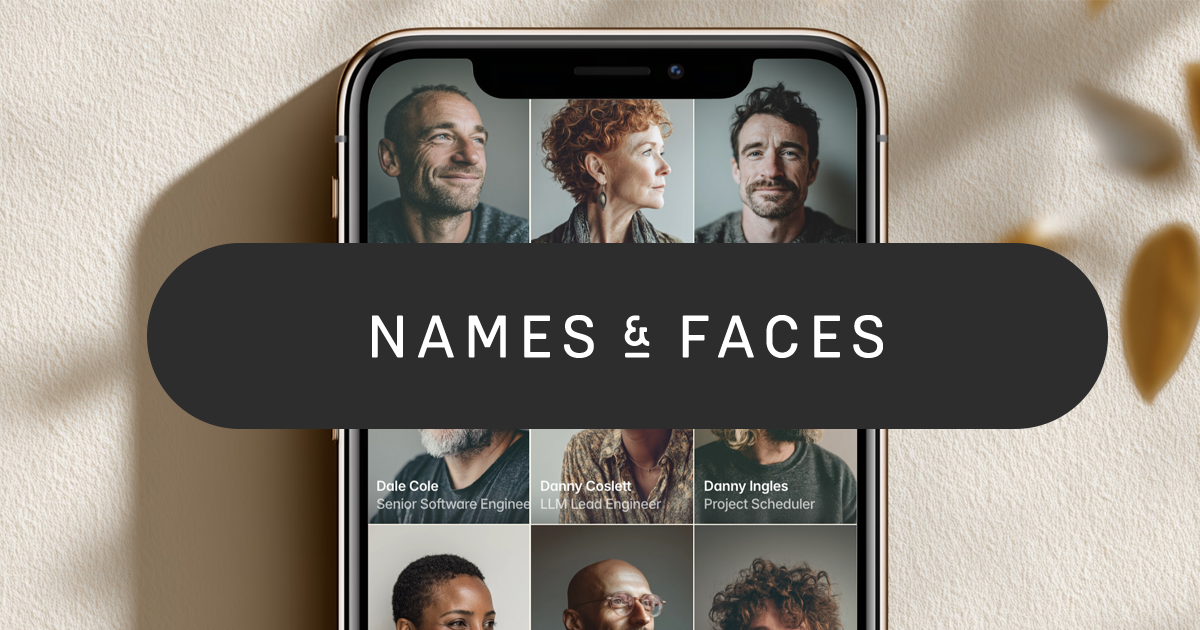
An employee directory provides a structured listing of individuals within an organization, including their roles, contact details, and departments. It helps facilitate internal communication, collaboration, and organizational transparency. Such directories are essential for onboarding new employees, enabling team members to identify colleagues quickly, and fostering a connected work environment. They can be presented as visual directories with photos and contact info, making it easier to recognize and reach out to the right person. This service addresses needs related to organizational clarity, efficient communication, and employee engagement, supporting both HR functions and daily operations.
Delivery, pricing, and setup for an employee directory typically involve digital platforms or software solutions that allow organizations to create, update, and manage their staff listings. These services may include subscription-based access, customization options for branding and layout, and integration with existing HR systems. Pricing models vary depending on the size of the organization and the features offered. Setup usually involves uploading employee photos, contact details, and organizational structure, with user-friendly interfaces to facilitate ongoing management. Support services may include technical assistance, training, and updates to ensure the directory remains current and functional.
Staff listing — find and compare verified employee directory software vendors for accurate organizational data management. Discover top-rated providers and request quotes on Bilarna.
View Staff Listing Services providersA global employee benefits platform helps reduce administrative workload by automating routine tasks such as enrolments, payroll integrations, and compliance tracking. It centralizes all employee benefits in one place, eliminating the need for manual data entry and reducing errors. The platform integrates with various HR and finance systems, enabling seamless data flow and reducing duplication of efforts. Additionally, AI-powered features provide instant support and insights, allowing HR and finance teams to manage benefits more efficiently and focus on strategic initiatives rather than administrative tasks.
A private AI agent can significantly enhance employee communication by providing specialized, always-on support across various channels such as chats, news, and document sharing. This ensures that employees at any level or position can easily access relevant information and collaborate more effectively. By integrating communication tools into a single platform, the AI agent helps reduce information silos and streamlines interactions, leading to improved engagement and productivity within the organization.
A single subscription can simplify employee training by consolidating access to a wide range of learning content from multiple providers into one platform. This reduces the time and effort spent on sourcing and managing different training materials. It also integrates seamlessly with existing HR technology stacks, allowing for easier administration and reporting. Employees benefit from intuitive content discovery within familiar tools, which increases engagement and completion rates. Additionally, having one subscription helps organizations manage compliance and skill development needs efficiently, supporting personalized and impactful learning experiences.
A unified HR and payroll software simplifies employee management by centralizing various HR functions such as payroll processing, absence tracking, expense management, performance reviews, and social declarations into a single platform. This integration reduces the need for multiple tools, streamlines administrative tasks, and ensures data consistency across departments. It also facilitates faster and more reliable payroll processing, helps monitor working hours and compensations accurately, and centralizes communication with dedicated payroll experts. Overall, it enhances efficiency, reduces errors, and supports better decision-making in HR management.
AI can significantly enhance employee training and engagement by creating personalized, interactive courses that adapt to individual learning styles and paces. It enables instant delivery of training content through popular communication platforms like Slack, Microsoft Teams, SMS, and WhatsApp, making learning accessible and convenient. AI-driven training can also analyze employee progress and provide real-time feedback, ensuring better retention and application of knowledge. This approach helps organizations quickly upskill employees on complex topics, leading to measurable behavior changes and improved performance.
AI can improve employee retention in healthcare by streamlining workflows and reducing administrative burdens on care teams. By automating routine tasks and providing intelligent support, AI allows healthcare workers to focus more on patient care rather than paperwork. This reduction in workload stress helps decrease burnout and turnover rates. Additionally, AI-driven tools can enhance communication and coordination within care teams, improving job satisfaction and efficiency. Overall, integrating AI into healthcare workflows supports a more sustainable work environment, which is crucial for retaining skilled employees in a sector facing high workforce churn.
AI enhances employee background screening by transforming complex and unstructured data into clear, actionable insights. This technology accelerates the hiring process by providing faster turnaround times for background checks, which helps companies fill roles more quickly. Additionally, AI-driven screening improves accuracy and scalability, reducing human error and ensuring compliance with regulations. By automating data analysis and decision-making, AI allows HR teams to focus on higher-value tasks while maintaining a consistent and reliable screening process.
To simplify employee engagement systems using AI sentiment analysis, begin by integrating AI tools that analyze employee feedback and communication. 1. Collect data from surveys, emails, and chat platforms. 2. Use AI algorithms to detect sentiment trends and emotional cues. 3. Generate reports highlighting areas of concern and positive feedback. 4. Automate responses or alerts to management for timely action. 5. Continuously refine the AI models with new data to improve accuracy and relevance.
AI tools in HR management can automate repetitive tasks, provide personalized coaching, and offer data-driven insights to improve employee performance. By integrating AI, HR teams can save time on manual processes and focus on strategic initiatives such as talent development and engagement. AI-powered features like writing assistance, meeting support, and performance summaries help managers give constructive feedback and track progress effectively. Overall, AI enhances decision-making, boosts productivity, and supports a proactive HR approach.
Implement AI-driven solutions to improve employee productivity by automating routine tasks and providing data-driven insights. 1. Identify repetitive HR and administrative tasks suitable for automation. 2. Deploy AI tools to handle these tasks efficiently. 3. Use AI analytics to monitor performance and identify areas for improvement. 4. Provide employees with AI-powered resources to enhance their skills and decision-making. 5. Continuously evaluate AI impact and adjust strategies accordingly.