Step 1
Machine-Ready Briefs
AI translates unstructured needs into a technical, machine-ready project request.
We use cookies to improve your experience and analyze site traffic. You can accept all cookies or only essential ones.
 Bilarna
Stop browsing static lists. Tell Bilarna your specific needs. Our AI translates your words into a structured, machine-ready request and instantly routes it to verified Custom Sustainable Packaging experts for accurate quotes.
AI translates unstructured needs into a technical, machine-ready project request.
Compare providers using verified AI Trust Scores & structured capability data.
Skip the cold outreach. Request quotes, book demos, and negotiate directly in chat.
Filter results by specific constraints, budget limits, and integration requirements.
Eliminate risk with our 57-point AI safety check on every provider.
Verified companies you can talk to directly
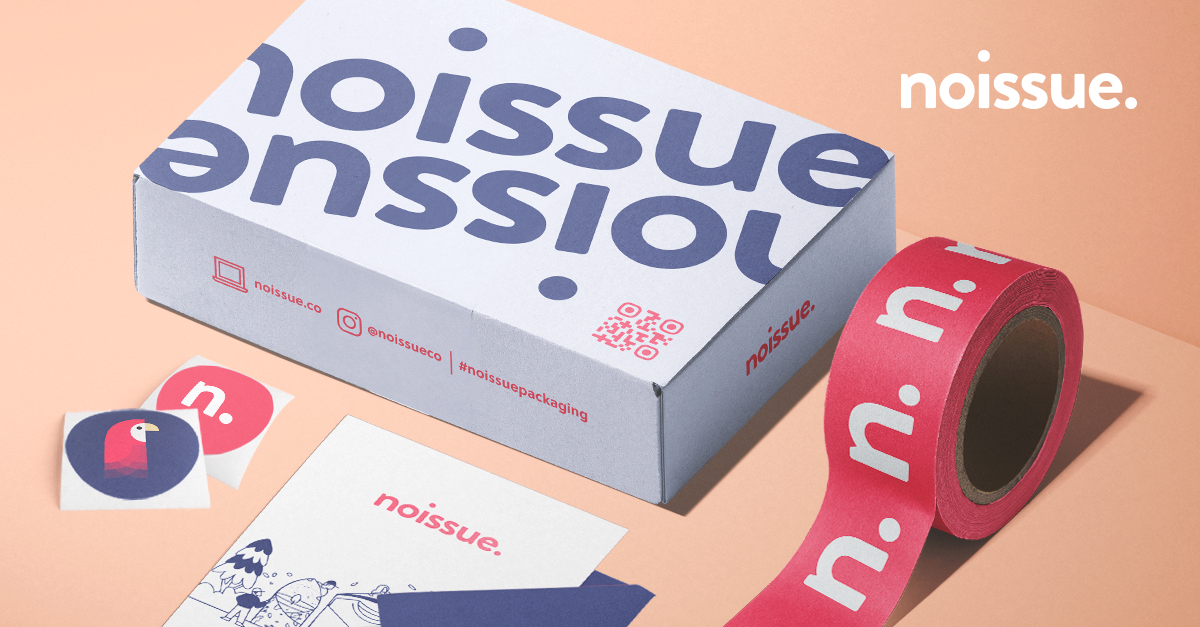
Custom, on-brand packaging for brands and retailers. Sustainable, eco-friendly custom boxes, bags & more with low minimums.
Run a free AEO + signal audit for your domain.
AI Answer Engine Optimization (AEO)
List once. Convert intent from live AI conversations without heavy integration.
Custom sustainable packaging is the design and production of protective materials tailored to a product's specific dimensions and brand identity, using environmentally responsible materials and processes. It involves selecting renewable, recycled, or biodegradable substrates and employing efficient, low-waste manufacturing techniques. This approach reduces environmental impact, enhances brand reputation, and meets growing consumer and regulatory demand for eco-conscious commerce.
Businesses analyze product dimensions, shipping needs, sustainability goals, and brand messaging to establish precise specifications for the packaging solution.
Specialists create structural and graphic designs, then select appropriate eco-friendly materials like recycled cardboard, bioplastics, or compostable inks to meet the brief.
A functional prototype is tested before moving to full-scale production, followed by integration into the supply chain for distribution.
Brands use custom mailer boxes and protective fillers made from recycled content to reduce waste and create a memorable unboxing experience that aligns with eco-values.
Companies utilize compostable pouches, plant-based clamshells, and recyclable containers to ensure product freshness while minimizing single-use plastic pollution.
Luxury brands adopt refillable systems and packaging from ocean-bound or post-consumer recycled plastics to demonstrate commitment to circular economy principles.
Manufacturers employ molded pulp inserts and minimalist, recyclable boxes to securely ship devices, eliminating plastic foam and reducing package size and weight.
Curators implement themed, plastic-free packaging each month that is fully recyclable or reusable, enhancing customer delight and supporting sustainability claims.
Bilarna evaluates custom sustainable packaging providers using a proprietary 57-point AI Trust Score. This score rigorously assesses expertise in eco-materials, portfolio quality, client satisfaction, and compliance with environmental certifications. Bilarna continuously monitors provider performance and delivery track records to ensure listed partners meet high standards of reliability and sustainability.
Costs vary significantly based on material choice, order volume, and design complexity. While initial unit costs can be higher than conventional options, economies of scale, reduced material usage, and potential tax incentives often improve long-term ROI and brand value.
Common materials include recycled corrugated cardboard, paper, molded pulp, bioplastics (like PLA), and compostable films. The optimal choice depends on required durability, product compatibility, and end-of-life disposal options available to the consumer.
The timeline typically ranges from 6 to 12 weeks. This period encompasses design iteration, material sourcing, prototype testing for functionality and sustainability claims, and finally, production tooling and manufacturing runs.
Key certifications include FSC (Forest Stewardship Council) for paper, ASTM D6400 for compostability, and relevant recycled content certifications. Providers should also have documented environmental management systems, such as ISO 14001.
Recyclable packaging is designed to be collected and reprocessed into new materials within existing waste streams. Compostable packaging is designed to break down into natural elements in a commercial composting facility, leaving no toxic residue. The right choice depends on local waste infrastructure.
Physical orders for custom clothing printing are currently not accepted. You can still use the design app to create and save your clothing designs. The service will notify you when it is ready to accept physical orders. Meanwhile, continue designing and preparing your items digitally until the ordering option becomes available.
Sustainable cat food products are specifically formulated to meet the nutritional needs of carnivorous cats. They use protein sources that mimic the natural prey of cats, ensuring essential amino acids and nutrients are present. The production process includes purification and veterinary approval to guarantee safety and health benefits. Additionally, these products are often non-GMO and free from harmful additives. By carefully selecting harm-free ingredients and testing extensively, sustainable cat food supports the health and wellbeing of cats without compromising their carnivorous dietary requirements.
Many made-to-order clothing providers include a variety of adjustments at no additional cost when ordering custom-fit men's shirts. These adjustments can involve changes to sleeve length, collar size, torso width, and other fit-related details to ensure the garment fits perfectly. Offering these modifications without extra charges allows customers to achieve a personalized fit without worrying about added expenses. However, it is always advisable to check the specific provider's policy, as some may charge for certain customizations or premium fabric choices.
Yes, governments often offer grants and financial support programs to subsidize custom software development for businesses. These programs aim to enhance productivity and digital capabilities. Common types include productivity grants that cover a significant percentage of qualifying IT solution costs, including custom software. There are also enterprise development grants focused on upgrading overall business capabilities, where software development is an eligible activity. Furthermore, specific grants exist for startups developing innovative technologies and for projects involving collaboration with research institutions. Eligibility typically depends on company size, project scope, and the innovative potential of the software. The application process can be detailed, so consulting with a qualified grant advisor is recommended to navigate requirements and maximize funding potential.
Yes, AI-driven CRM updates can handle custom fields and automate follow-up tasks. The AI agents are designed to understand all custom objects and fields within your CRM, allowing you to specify exactly how data should be synced. Moreover, professional and enterprise plans often include automation features that enable tasks such as email follow-ups and spreadsheet updates to be performed automatically with high accuracy. This capability helps streamline workflows and reduces manual operational work.
Yes, many pediatric behavioral health apps allow parents or caregivers to create custom tasks tailored to their child's specific needs and goals. This flexibility enables you to add a wide range of activities, from daily chores and hygiene routines to educational or therapeutic exercises. Custom tasks help make the app more relevant and engaging for your child, encouraging consistent participation and progress. By personalizing tasks, you can address unique behavioral challenges and reinforce positive habits effectively within the home environment.
Yes, you can generate unlimited custom emojis using an AI emoji generator. To try different designs, follow these steps: 1. Enter a detailed description of your emoji idea in the prompt input field. 2. If you want a surprise design, use the 'Random Emoji' button to generate a random style and variation. 3. Review the generated emoji concepts and select your favorite or input a new prompt to create more options. Repeat as many times as you like to explore various designs.
Yes, you can order a custom-made pair of sneakers based on your AI-generated design by following these steps: 1. Use the AI sneaker generator to create and finalize your sneaker design. 2. Save your design and check for any customization options available for ordering. 3. Select the option to order a custom pair if offered by the platform. 4. Provide your size and any additional preferences required. 5. Complete the purchase process with payment and shipping details. 6. Wait for your unique custom sneakers to be manufactured and delivered to you.
Yes, you can use AI-generated packaging designs for commercial purposes and retain full ownership. The platform grants you complete commercial rights to all designs created and exported. This means you can freely use, reproduce, and distribute the packaging designs without restrictions. Ownership remains with you after export, ensuring your brand’s intellectual property is fully protected.
Yes, you can use your custom action figure images commercially. Follow these steps: 1. Generate your custom action figure using a clear photo and chosen template. 2. Once generated, you own the rights to the images created by the AI. 3. Use the images freely for social media, gifts, printing, merchandise, or any creative projects. 4. There are no restrictions on commercial use, making them perfect for birthday cards, party invitations, custom gifts, or business promotions. 5. Download unlimited copies for your projects without additional fees.