Step 1
Machine-Ready Briefs
AI translates unstructured needs into a technical, machine-ready project request.
We use cookies to improve your experience and analyze site traffic. You can accept all cookies or only essential ones.
 Bilarna
Stop browsing static lists. Tell Bilarna your specific needs. Our AI translates your words into a structured, machine-ready request and instantly routes it to verified Urban Goods Transportation experts for accurate quotes.
AI translates unstructured needs into a technical, machine-ready project request.
Compare providers using verified AI Trust Scores & structured capability data.
Skip the cold outreach. Request quotes, book demos, and negotiate directly in chat.
Filter results by specific constraints, budget limits, and integration requirements.
Eliminate risk with our 57-point AI safety check on every provider.
Verified companies you can talk to directly
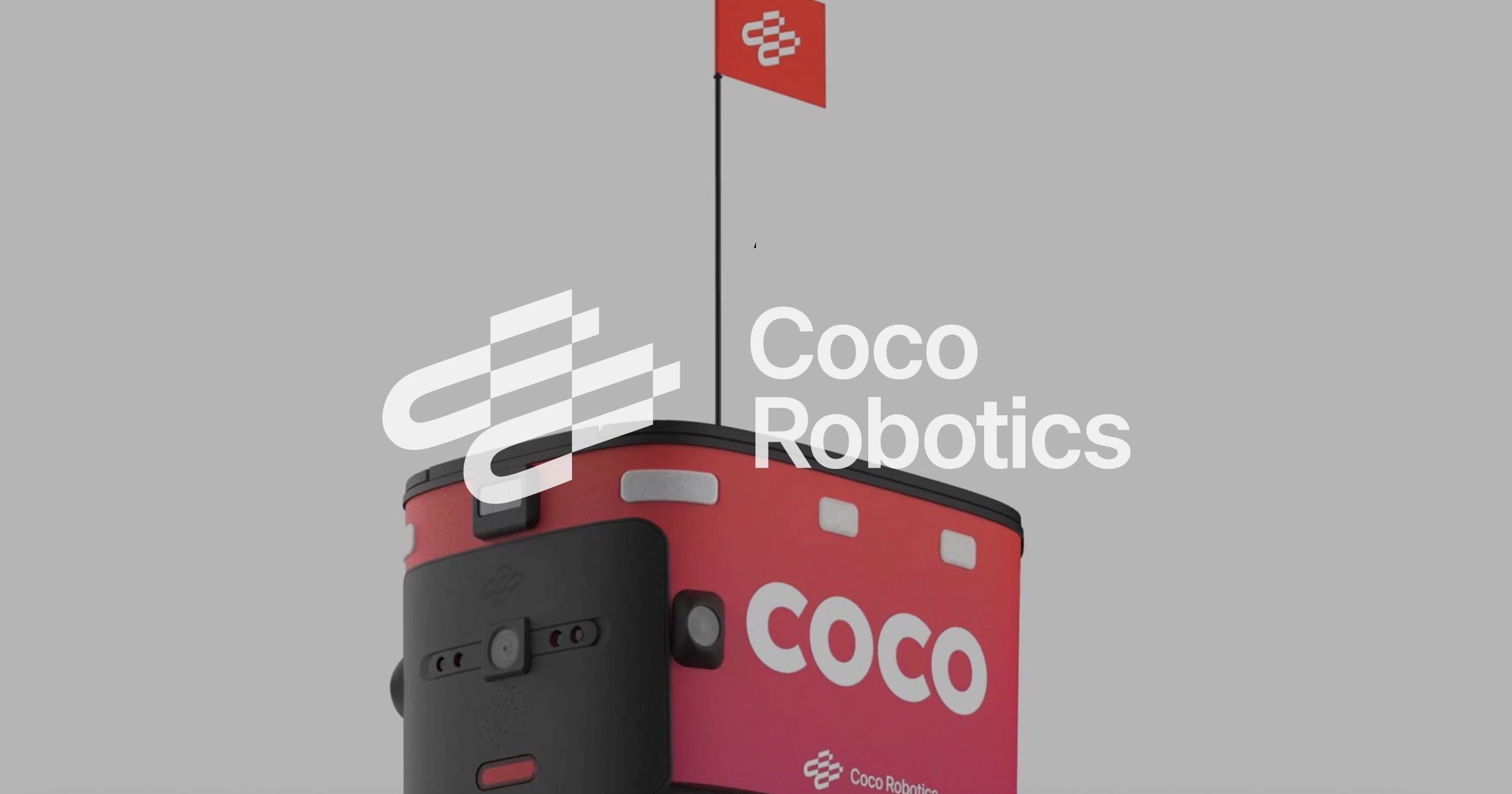
Our Robocouriers are designed to be the most efficient way to move goods around a city.
Run a free AEO + signal audit for your domain.
AI Answer Engine Optimization (AEO)
List once. Convert intent from live AI conversations without heavy integration.
Urban goods transportation is the movement of merchandise and materials within a city or metropolitan area. It utilizes flexible fleets, real-time tracking, and micro-hub strategies to manage increasing delivery volumes. This results in faster delivery windows, lower operational costs, and reduced environmental impact from city traffic.
You specify the type of goods, delivery zones, time windows, and required capacity for your urban delivery operations.
You evaluate different carriers based on their fleet, technology stack, pricing models, and sustainability practices.
After selection, the carrier is contracted and integrated into your existing logistics or ERP systems for seamless operations.
Expedites the final delivery of online orders to consumers with precise time slots and real-time tracking updates.
Ensures timely stock delivery to brick-and-mortar stores, optimizing inventory levels and ensuring product availability.
Coordinates just-in-time delivery of building materials to congested inner-city construction sites.
Facilitates reliable deliveries of fresh goods and beverages to restaurants and hotels on scheduled routes.
Provides efficient collection routes for return parcels from customers or stores back to distribution centers.
Bilarna evaluates Urban Goods Transportation providers using its proprietary 57-point AI Trust Score. This score continuously assesses expertise, fleet reliability, compliance with local urban regulations, and documented client satisfaction. Only vetted carriers with a high trust score are listed for comparison on the platform.
Costs vary significantly based on volume, delivery zones, and service level. Pricing models commonly include route-based flat fees, cost-per-stop charges, or monthly subscriptions for regular deliveries. A detailed request is needed for accurate quoting.
Implementation typically takes 2 to 6 weeks depending on complexity and required integrations. This timeframe includes route planning, vehicle allocation, driver onboarding, and technical setup for tracking systems.
A diverse range is employed, from cargo bikes and small vans for last-mile to medium-duty trucks for larger loads. There is a growing shift towards electric and low-emission fleets in urban areas.
Urban transport focuses on short-haul movements within city limits with high stop density. Regional transport connects cities over longer distances with fewer, but larger-volume, delivery points.
Through advanced route optimization software that accounts for real-time traffic and restrictions, coupled with experienced local drivers. GPS tracking and proactive delay communication are industry standards.
A branding agency helps a consumer goods (CPG) brand grow by crafting a distinctive identity that cuts through market clutter and builds deep emotional connections with consumers. The process begins with strategic positioning to differentiate the brand from competitors, often leveraging unique product benefits or a compelling brand story. This is brought to life through memorable naming and impactful visual identity design that ensures standout shelf presence in both physical and digital retail environments. For sustainable or purpose-driven CPG brands, agencies can authentically communicate these values to resonate with ethically-conscious shoppers. Furthermore, agencies develop scalable brand architecture to support the launch of new product lines or sub-brands, ensuring long-term, cohesive growth that drives both market share and customer loyalty.
To start selling on Amazon with goods imported from China, a business must follow key steps: product selection, supplier verification, import logistics, Amazon account setup, and sales optimization. Begin by researching profitable products using tools like Jungle Scout or Helium 10 and identify verified suppliers in China via Alibaba or Global Sources. Next, arrange shipping through freight forwarders, ensuring compliance with customs duties, tariffs, and documentation for your country. Set up an Amazon Seller Central account, create optimized listings with high-quality images, keywords, and competitive pricing, and choose between FBA or FBM for fulfillment. Implement PPC advertising, monitor customer reviews, and use analytics to track performance. Integrating with other marketplaces like eBay or Mercado Libre can diversify sales channels, while continuous adaptation to trends and feedback ensures long-term success.
A retail marketing agency helps consumer goods brands achieve better sales results by designing and implementing targeted in-store and digital experiences that directly influence shopper purchase decisions at the critical point of sale. They apply a strategic, creative, and operational methodology to elevate brand visibility and drive conversion. Specifically, they develop data-informed strategies to position products effectively within the competitive retail landscape. They create emotionally engaging and distinctive visual designs for packaging, displays, and promotions that capture attention and communicate brand value quickly. Furthermore, they manage the flawless execution and nationwide rollout of marketing materials, ensuring perfect store compliance and operational efficiency. By integrating strategy, creativity, and precise logistics, they transform retail environments into powerful sales drivers, ultimately increasing market share and ROI for their clients.
AI can significantly enhance transportation management by automating planning, execution, and scaling processes without human intervention. It optimizes capacity by identifying the best carriers and adjusting strategies based on business patterns. AI systems integrate directly with ERP, WMS, and GPS to control and make decisions throughout the shipping cycle. Autonomous execution selects the optimal transport mode, whether door-to-door or multi-delivery, minimizing costs and streamlining transport requests. Additionally, AI predicts and prevents potential issues with intelligent alerts, ensuring timely responses only when necessary. This leads to more efficient, cost-effective, and reliable logistics operations.
Automated cash application enhances financial operations in consumer packaged goods by using AI-driven document aggregation, data extraction, and invoice matching. This automation reduces manual labor and minimizes clerical errors, leading to faster and more accurate processing of payments. It integrates data from multiple vendor emails and portals, classifies records with key information such as deduction reasons and product lines, and synchronizes with ERP systems at various levels of detail. This streamlines cash flow management, improves reconciliation accuracy, and allows finance teams to focus on higher-value tasks.
Automation can significantly enhance operations for consumer packaged goods (CPG) companies by reducing manual labor, minimizing errors, and accelerating processes. It enables real-time data analysis and decision-making, which improves inventory management and demand forecasting. Automation also streamlines supply chain activities, from procurement to distribution, ensuring timely delivery and cost efficiency. By freeing up human resources from repetitive tasks, companies can focus on strategic initiatives and innovation. Overall, automation increases operational agility, reduces costs, and improves customer satisfaction by ensuring products are available when and where they are needed.
Autonomous vehicle technology can address transportation gaps for cities and organizations by providing safe, accessible, and efficient mobility solutions tailored to specific transit needs. By leveraging advanced AI systems that learn and adapt in real-time, autonomous vehicles can operate reliably in diverse environments, including urban centers, campuses, and business districts. This technology helps fill service gaps where traditional transit may be limited or costly, offering scalable and equitable transportation options. Additionally, autonomous vehicles can reduce operational costs and deployment times, enabling faster implementation and broader access to sustainable transit services for communities and organizations.
Businesses can benefit from connected urban gardening solutions by enhancing wellness, sustainability, and community engagement. 1. Introduce green spaces in workplaces, restaurants, or schools to improve air quality and employee wellbeing. 2. Use modular smart gardens to create interactive and educational environments. 3. Promote sustainability goals by reducing environmental impact through efficient cultivation. 4. Foster community connections by involving employees or customers in gardening activities. 5. Access technical support and tailored solutions to integrate gardening systems seamlessly.
Cities can leverage AI and data visualization to address urban mobility challenges by following these steps: 1. Collect comprehensive mobility data using sensors, GPS, and IoT devices. 2. Use AI algorithms to analyze traffic patterns, predict congestion, and optimize routes. 3. Implement data visualization tools to present insights clearly to planners and decision-makers. 4. Develop adaptive traffic management systems that respond to real-time conditions. 5. Engage stakeholders to design innovative mobility solutions based on AI insights. 6. Continuously monitor and update systems to improve urban mobility efficiency and sustainability.
Cities can optimize urban flow by integrating IoT and AI technologies to gather and analyze real-time data. Follow these steps: 1. Deploy IoT sensors across urban areas to collect traffic and mobility data. 2. Use AI algorithms to process and interpret the data for patterns and bottlenecks. 3. Implement decision-making tools that provide actionable insights to city planners and transport operators. 4. Continuously monitor and adjust strategies based on updated data to improve traffic flow and reduce congestion. 5. Promote sustainable transport options by analyzing data trends and encouraging eco-friendly mobility solutions.