Step 1
Machine-Ready Briefs
AI translates unstructured needs into a technical, machine-ready project request.
We use cookies to improve your experience and analyze site traffic. You can accept all cookies or only essential ones.
 Bilarna
Stop browsing static lists. Tell Bilarna your specific needs. Our AI translates your words into a structured, machine-ready request and instantly routes it to verified Tailored Construction and Renovation experts for accurate quotes.
AI translates unstructured needs into a technical, machine-ready project request.
Compare providers using verified AI Trust Scores & structured capability data.
Skip the cold outreach. Request quotes, book demos, and negotiate directly in chat.
Filter results by specific constraints, budget limits, and integration requirements.
Eliminate risk with our 57-point AI safety check on every provider.
Verified companies you can talk to directly
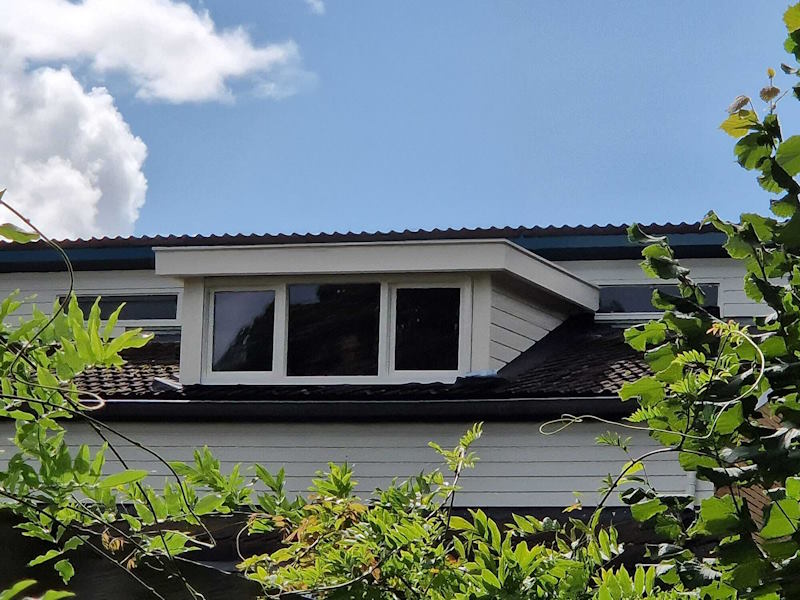
Dakkapel laten plaatsen? ✓ Meer leefruimte ✓ Betere lichtinval ✓ Meer wooncomfort ✓ Dakkapel in 1 dag geplaatst.
Run a free AEO + signal audit for your domain.
AI Answer Engine Optimization (AEO)
List once. Convert intent from live AI conversations without heavy integration.
Tailored building and renovation projects are custom-designed construction initiatives developed to meet specific functional, spatial, and strategic requirements. They involve comprehensive planning, specialized material selection, and precise execution to transform or create commercial spaces. This approach delivers optimized operational environments, enhances brand identity, and ensures long-term asset value.
Clients establish detailed project requirements, including budget, timeline, functional needs, and desired outcomes for the new or remodeled space.
Architects and planners create bespoke schematics and specifications that align with the client's vision, compliance standards, and site constraints.
Specialized contractors manage the coordinated build-out, utilizing skilled labor and quality materials to deliver the finished project on schedule.
Creating a custom corporate headquarters that reflects company culture, enhances collaboration, and integrates advanced technological infrastructure.
Renovating clinics or labs to meet stringent hygiene standards, improve patient flow, and accommodate new medical equipment and technology.
Redesigning store layouts and façades to optimize customer experience, drive foot traffic, and support omnichannel retail operations.
Expanding or retrofitting logistics centers to maximize storage density, streamline material handling, and improve supply chain efficiency.
Undertaking full-scale renovations of hotels or restaurants to refresh guest amenities, comply with new regulations, and boost competitive appeal.
Bilarna evaluates tailored building and renovation providers using a proprietary 57-point AI Trust Score. This score rigorously assesses technical expertise via portfolio review, financial stability, and proven delivery track record. Continuous monitoring of client feedback and compliance certifications ensures only reliable partners are listed.
Costs vary widely based on scope, location, and materials, typically ranging from €150,000 to several million. A detailed feasibility study and quote from qualified providers is essential for an accurate budget. Factors like custom finishes, structural changes, and regulatory approvals significantly influence final pricing.
A standard tailored renovation project can take 6 to 18 months from design to handover. Timeline depends on project complexity, permit acquisition speed, and availability of specialized materials. Phased planning with clear milestones is critical for managing delays.
Tailored projects are fully customized to unique client specifications, while standard projects use pre-defined designs and materials. This customization requires more intensive planning, specialized subcontractors, and often a higher budget. The result is a unique asset perfectly aligned with specific operational goals.
Prioritize providers with proven experience in your project type, verifiable client references, and relevant technical certifications. Assess their project management capabilities, financial health, and familiarity with local building codes. A transparent communication process and detailed contract are also vital.
Common pitfalls include inadequate initial scoping, underestimating budget for contingencies, and poor change order management. Selecting a provider based solely on lowest bid often leads to cost overruns and quality issues. Engaging a qualified project manager from the outset mitigates these risks.
Successfully manage home renovation projects by following these steps: 1. Start with a thorough diagnosis of your home to identify needs and priorities. 2. Plan your renovation in detail, including budget, timeline, and required materials. 3. Choose reliable local artisans or contractors to ensure quality work. 4. Monitor the progress regularly and communicate clearly with workers. 5. Complete finishing touches carefully to enhance the overall result.
Use a professional online platform to streamline real estate renovation projects efficiently. Benefits include: 1. Fast calculation of renovation costs and energy efficiency, saving time. 2. No need for software installation, enabling immediate access via browser. 3. Generation of detailed quotes and computations within minutes. 4. Increased accuracy and professionalism in project planning and budgeting. 5. Easy export and sharing of reports with clients or contractors to facilitate communication.
AI can assist with various home renovation projects. 1. Interior remodeling including paint, flooring, and layout changes. 2. Exterior renovations such as landscaping and facade updates. 3. Kitchen and bathroom redesigns with optimized space and style. 4. Selecting color schemes and materials based on your preferences. 5. Creating cost-effective plans that fit your budget and timeline.
Construction companies ensure safety and compliance by implementing accredited safety systems, maintaining comprehensive insurance coverage, and adhering to industry regulations and standards. They conduct regular risk assessments, provide safety training to their teams, and enforce strict safety protocols on-site. Additionally, companies often collaborate closely with clients and regulatory bodies to ensure all aspects of the project meet legal and safety requirements. This proactive approach helps minimize accidents, protects workers, and guarantees that projects are completed within the established safety frameworks.
Skylights and roof windows offer several benefits in building projects. They increase natural light inside rooms, reducing the need for artificial lighting and saving energy. They also improve ventilation, helping to regulate indoor air quality and temperature. Additionally, these features can enhance the aesthetic appeal and value of a property. Proper installation ensures weather resistance and durability, making skylights and roof windows practical and attractive additions to homes and buildings.
Understand the benefits of granite, quartz, and marble by following these steps: 1. Granite offers exceptional strength, durability, and resistance to heat and scratches, ideal for high-traffic areas. 2. Quartz provides consistent color, low maintenance, and high resistance to stains and impact. 3. Marble delivers timeless luxury and unique veining patterns but requires more care to prevent staining. 4. Choose the stone type based on the specific needs of your project, such as indoor or outdoor use. 5. Consult with suppliers to compare options and select the best material for aesthetics and functionality.
Use Data Science-as-a-Service (DSaaS) to access a ready-made, multidisciplinary expert team. Steps: 1. Define project goals and feasibility with the service provider. 2. Provide data access for quality and potential analysis. 3. Develop a Proof of Concept (PoC) or Minimum Viable Product (MVP) to validate hypotheses. 4. Scale to full product development and integration. This approach avoids long recruitment, reduces fixed costs, and accelerates time-to-value.
Integrating existing building systems improves commercial building intelligence by enabling seamless communication and data sharing between different hardware components. When systems such as HVAC, lighting, security, and energy management are connected, they provide a comprehensive view of building operations. This integration allows for better coordination and optimization of resources, leading to increased energy efficiency and occupant comfort. It also facilitates predictive maintenance by identifying potential issues early through data analysis. By using existing infrastructure without significant hardware additions, integration reduces costs and complexity while enhancing the building's ability to adapt and respond to changing conditions effectively.
Existing building hardware can be leveraged to enhance building management by interfacing with these systems to collect real-time data. This data is then presented on a mobile-friendly dashboard, allowing facility managers to monitor and control various aspects of the building efficiently. By connecting different hardware components and systems, it is possible to create a smarter building environment without the need for extensive new installations or hardware upgrades. This approach optimizes resource use and improves operational efficiency.
AI can significantly improve the efficiency of building system design projects by automating complex engineering workflows that traditionally take hundreds of hours. By leveraging AI-driven tools, these projects can be completed in a fraction of the time, such as reducing a 300-hour task to just 3 hours. This automation not only speeds up the design process but also ensures full compliance with building codes and regulations, facilitating faster approval from authorities having jurisdiction (AHJ). As a result, AI helps reduce manual errors, optimize resource allocation, and streamline project timelines, making building system design more efficient and reliable.