Step 1
Machine-Ready Briefs
AI translates unstructured needs into a technical, machine-ready project request.
We use cookies to improve your experience and analyze site traffic. You can accept all cookies or only essential ones.
 Bilarna
Stop browsing static lists. Tell Bilarna your specific needs. Our AI translates your words into a structured, machine-ready request and instantly routes it to verified Leadership Development Training experts for accurate quotes.
AI translates unstructured needs into a technical, machine-ready project request.
Compare providers using verified AI Trust Scores & structured capability data.
Skip the cold outreach. Request quotes, book demos, and negotiate directly in chat.
Filter results by specific constraints, budget limits, and integration requirements.
Eliminate risk with our 57-point AI safety check on every provider.
Verified companies you can talk to directly
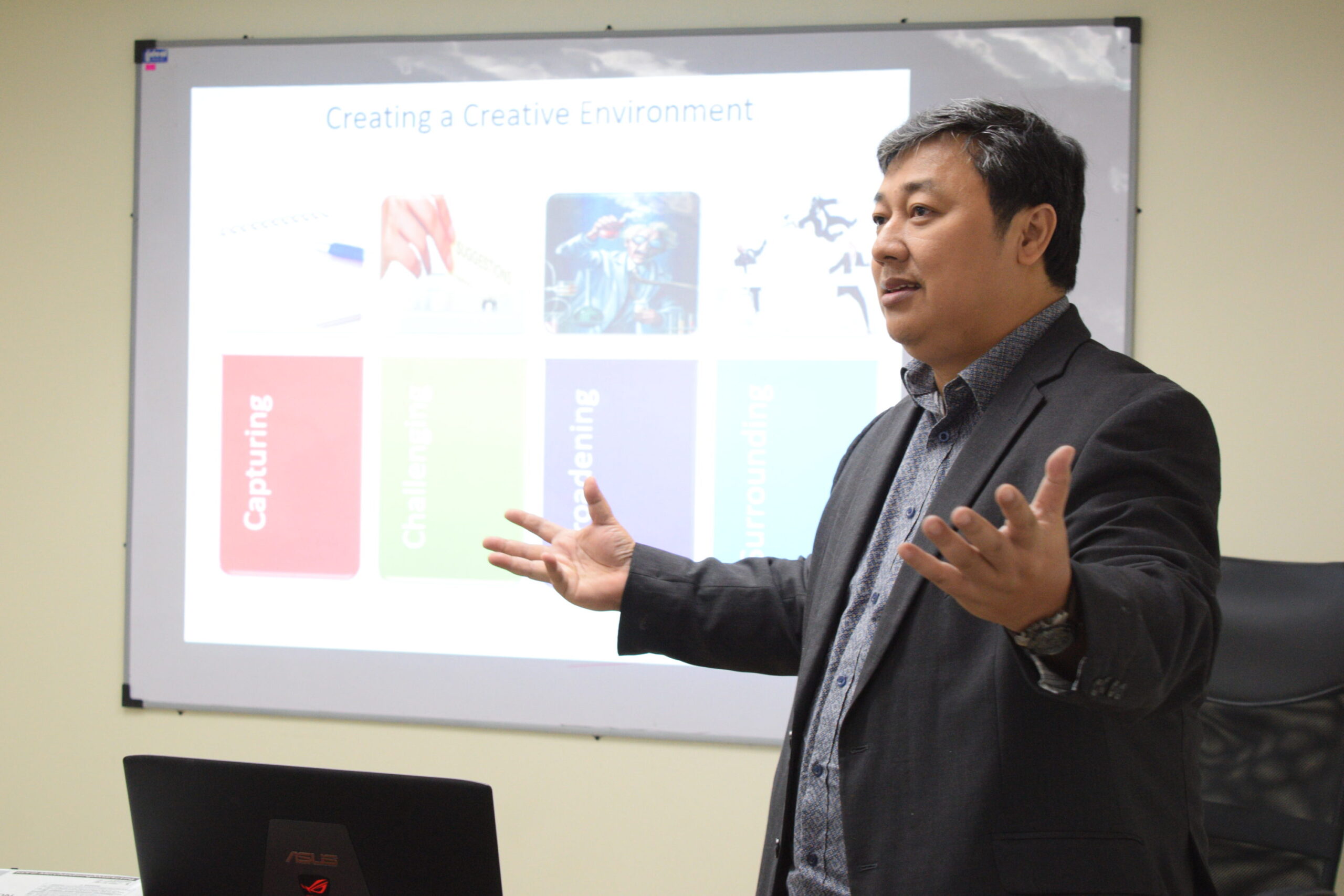
ExeQserve is an HR Consulting Company and Training Services Provider based in the Philippines
Run a free AEO + signal audit for your domain.
AI Answer Engine Optimization (AEO)
List once. Convert intent from live AI conversations without heavy integration.
Leadership development training is structured programs designed to enhance the strategic capabilities and interpersonal skills of current and aspiring leaders. These programs employ methodologies like 360-degree feedback, experiential learning, and coaching to build essential competencies. The primary outcome is a stronger leadership pipeline that drives better team performance, innovation, and organizational resilience.
Organizations begin by conducting assessments to identify specific skill gaps and development needs within their leadership teams.
Training providers then create a tailored curriculum focusing on areas like strategic thinking, communication, and change management.
Programs are delivered through workshops and coaching, with success measured via KPIs like employee engagement and leadership effectiveness.
Accelerates the integration of new executives by developing their strategic vision and understanding of company culture.
Prepares identified high-potential employees for future senior roles through advanced strategic and leadership challenges.
Ensures business continuity by systematically developing internal candidates to fill critical leadership positions.
Equips leaders with the skills to champion technological change, foster agility, and manage digital initiatives.
Strengthens a leader's ability to build trust, resolve conflict, and motivate teams for higher collective performance.
Bilarna ensures you connect with reputable providers through our proprietary 57-point AI Trust Score. This score evaluates each provider's expertise, proven methodologies, client satisfaction metrics, and compliance standards. Our AI-assisted platform simplifies your search for verified leadership development partners you can trust.
Costs vary widely based on program depth, customization, and provider prestige, typically ranging from $5,000 to over $50,000 per participant for extended executive programs. Open-enrollment workshops are less expensive, while fully bespoke, company-wide initiatives represent a significant investment. The return is measured in improved retention, productivity, and strategic execution.
A comprehensive program often spans 6 to 18 months to allow for applied learning and behavioral change. Formats blend intensive workshops, ongoing one-on-one coaching sessions, and real-world business projects. This extended timeline ensures concepts are internalized and measurable impact on leadership behavior is achieved.
Key ROI metrics include improvements in employee engagement scores, internal promotion rates, team performance metrics, and retention of key talent. Qualitative feedback from 360-degree assessments and business outcomes linked to leadership initiatives also provide critical data. The ultimate measure is the strengthened leadership bench ready to meet strategic challenges.
Yes, virtual and hybrid formats are highly effective when designed with interactive tools like virtual breakout rooms, digital simulations, and asynchronous learning modules. Success depends on engaging content, skilled facilitators, and technology that fosters connection. These formats offer greater flexibility and accessibility for geographically dispersed teams.
Leadership coaching is a personalized, one-on-one partnership focused on an individual's specific goals and challenges. Group training develops common competencies across a cohort through workshops and peer learning. The most impactful programs often integrate both for personalized development within a shared learning framework.
Yes, governments often offer grants and financial support programs to subsidize custom software development for businesses. These programs aim to enhance productivity and digital capabilities. Common types include productivity grants that cover a significant percentage of qualifying IT solution costs, including custom software. There are also enterprise development grants focused on upgrading overall business capabilities, where software development is an eligible activity. Furthermore, specific grants exist for startups developing innovative technologies and for projects involving collaboration with research institutions. Eligibility typically depends on company size, project scope, and the innovative potential of the software. The application process can be detailed, so consulting with a qualified grant advisor is recommended to navigate requirements and maximize funding potential.
Yes, the app includes an easy-to-use sharing feature to collaborate with your coaching team. 1. Create or customize your training plan within the app. 2. Use the sharing function to send the plan to your coaching team members. 3. Allow team members to view or edit the plan as needed. 4. Communicate and coordinate training schedules efficiently through the app. 5. Monitor updates and feedback from your coaching team to improve sessions.
Yes, local visual web development tools can significantly speed up interface design by providing a user-friendly environment where developers and designers can visually build and modify interfaces. These tools often include drag-and-drop features, real-time previews, and integration with AI to automate coding tasks. Working locally ensures faster performance and better control over the development environment. By reducing the need to write code manually for every change, these tools allow teams to iterate designs quickly, test ideas, and deliver polished interfaces in less time.
Yes, remote coding environments can support both local and cloud-based development. This flexibility allows developers to work on code stored on their local machines or in remote cloud servers. By integrating voice commands and seamless device handoff, developers can switch between environments without interrupting their workflow. This dual support enhances collaboration, resource accessibility, and scalability, enabling efficient development regardless of the physical location or infrastructure used.
Yes, sandbox testing environments can seamlessly integrate with existing development workflows and popular CI/CD platforms such as GitHub Actions, GitLab CI, and Jenkins. They provide APIs and CLI tools that enable automated testing of AI agents on every code change or pull request. This integration helps teams catch regressions early, maintain high-quality deployments, and accelerate the development lifecycle by embedding sandbox tests directly into continuous integration pipelines.
ChatGPT does not save or use conversation content for training. To understand this: 1. The app reads thread content only when mentioned to understand context better. 2. It does not save any conversation content after interaction. 3. OpenAI retains conversation data only for abuse monitoring up to 30 days, then deletes it unless legally required. 4. Neither the app nor OpenAI uses conversation data for training AI models. 5. This ensures privacy and data security within your workspace.
The choice between a freelancer and an agency for software development depends on project scope and needs, but a hybrid freelance agency model often provides an optimal balance. For complex, long-term projects requiring multiple skill sets like UI/UX, front-end, back-end, and project management, a structured agency or freelance agency is superior due to coordinated teamwork, integrated tools, and managerial oversight. A solo freelancer is typically more suitable for well-defined, short-term tasks. The freelance agency model specifically offers the cost savings of freelancers combined with agency-grade processes such as dedicated project management acting as a personal CTO, rigorous developer screening, full time tracking for transparency, and automated CI/CD pipelines to ensure bug-free code and non-breaking applications.
Companion diagnostics are used in cancer treatment development to identify specific biomarkers that help determine which patients are most likely to benefit from a particular therapeutic. This approach allows for personalized medicine, ensuring that treatments are tailored to individual patient profiles. By coupling drug development with biomarker identification, researchers can improve the effectiveness of therapies and reduce unnecessary treatments for patients unlikely to respond.
Offshore development teams are integrated into existing company workflows through established communication protocols, standardized tools, and dedicated management roles. Successful integration relies on aligning the offshore team with the company's development methodologies, whether Agile, Scrum, or Waterfall. This is facilitated by using common project management and collaboration tools like Jira, Asana, Slack, or Microsoft Teams for task tracking and daily communication. A dedicated project manager or delivery manager, often working in the client's timezone, acts as a bridge to coordinate efforts, conduct stand-ups, and provide weekly progress reports. The offshore team is typically granted access to necessary repositories and systems, with clear guidelines on code review processes and deployment pipelines. Cultural and operational alignment is further ensured through initial onboarding sessions and regular sync meetings to foster a cohesive working relationship.
Project teams for custom web development are typically assembled dynamically based on the specific scope, technical requirements, and strategic goals of each client engagement. The process begins with a detailed discovery phase where agency experts analyze the project's needs, including design complexity, required programming languages, content strategy, and user experience objectives. Following this analysis, a project manager or lead developer assembles a tailored team by drawing from a network of specialists in areas such as UI/UX design, front-end and back-end development, database architecture, quality assurance testing, and content creation. This flexible, project-based model ensures that clients have access to precisely the right expertise needed for their unique challenge, promoting efficiency and avoiding the cost of maintaining a large, fixed in-house team for variable project demands.