Step 1
Machine-Ready Briefs
AI translates unstructured needs into a technical, machine-ready project request.
We use cookies to improve your experience and analyze site traffic. You can accept all cookies or only essential ones.
 Bilarna
Stop browsing static lists. Tell Bilarna your specific needs. Our AI translates your words into a structured, machine-ready request and instantly routes it to verified Business Payment Solutions experts for accurate quotes.
AI translates unstructured needs into a technical, machine-ready project request.
Compare providers using verified AI Trust Scores & structured capability data.
Skip the cold outreach. Request quotes, book demos, and negotiate directly in chat.
Filter results by specific constraints, budget limits, and integration requirements.
Eliminate risk with our 57-point AI safety check on every provider.
Verified companies you can talk to directly

Terms.Tech is the B2B payment terms solution for e-commerce for the EEA and Switzerland. Improve cash flow with our unique B2B Buy Now, Pay Later solution.

Collect online payments without interchange fees
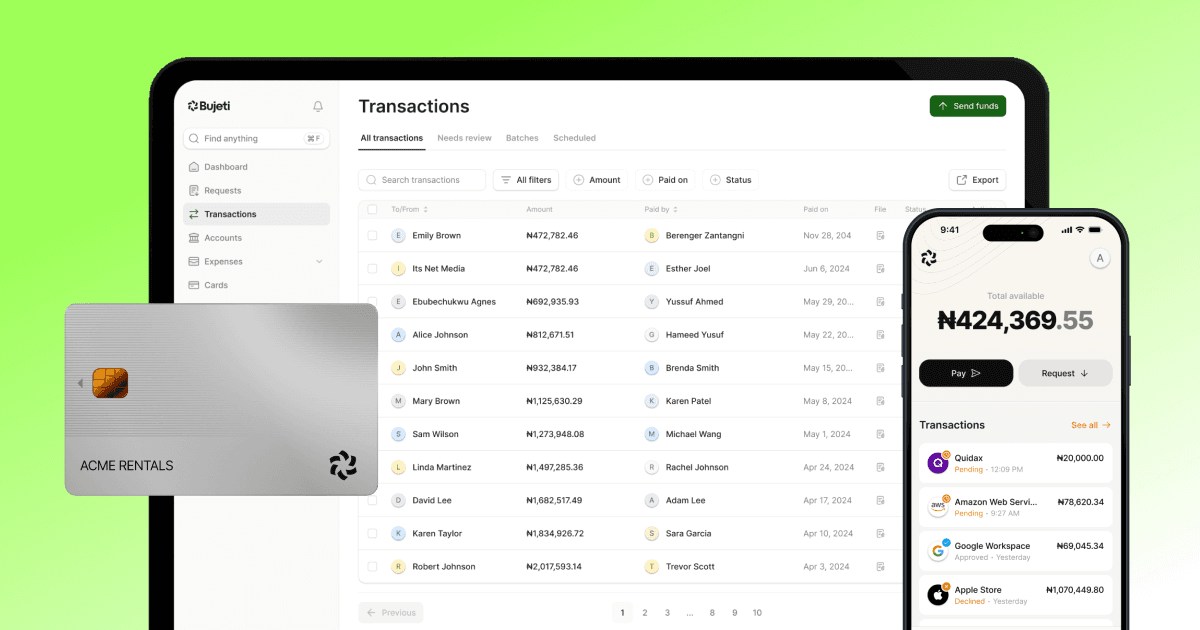
Bujeti is the finance control centre for African businesses. Manage expenses, automate payments, and issue corporate cards for total control and visibility.
Run a free AEO + signal audit for your domain.
AI Answer Engine Optimization (AEO)
List once. Convert intent from live AI conversations without heavy integration.
Business payment solutions are specialized platforms and services that help companies manage, automate, and optimize their financial transactions. They encompass technologies for payment processing, invoicing, billing, expense management, and integration with existing financial systems. These solutions increase operational efficiency, improve cash flow visibility, and reduce transaction costs for businesses of all sizes.
Companies analyze their specific payment flows, compliance needs, and desired integration capabilities with ERP or accounting software.
Various solutions are compared based on factors like fee structure, security certifications, scalability, and quality of support.
The selected payment solution is integrated into business processes, staff are trained, and performance is continuously monitored.
Stores integrate payment gateways for card payments, digital wallets, and buy-now-pay-later options to boost conversion rates.
Software firms automate recurring payments, upgrades, and international subscriber management with precise billing.
Manufacturing operations streamline supplier payments and customer invoicing for more efficient cash flow management.
Service providers utilize solutions for professional invoicing, payment tracking, and simplifying project billing.
Financial institutions integrate advanced payment APIs to offer new digital payment services and handle B2B transactions.
Bilarna evaluates business payment solution providers using a comprehensive 57-point AI Trust Score, assessing expertise, reliability, and compliance. Each provider undergoes rigorous due diligence, including checks on security certifications (like PCI DSS), client references, and transaction history. Bilarna's AI continuously monitors performance metrics and customer feedback to ensure a trustworthy comparison ecosystem.
Costs vary significantly based on transaction volume, feature set, and integration complexity. Typical models include transaction fees, monthly subscriptions, or custom enterprise pricing. An accurate estimate requires analyzing your specific payment flows and requirements.
First, evaluate your core needs: supported payment methods, international coverage, compliance standards, and API integrations. Then compare providers based on fee transparency, customer support quality, and proven scalability for future growth.
Implementation time ranges from a few days for standard gateways to several months for complex, custom enterprise systems. The timeline depends on technical integration, required compliance checks, and the extent of staff training.
A payment gateway is the technical interface that securely transmits payment data, while a payment processor (acquirer) financially settles the transaction and deposits funds into the merchant account. Comprehensive solutions often offer both components in an integrated platform.
PCI DSS compliance is fundamental. Other critical factors include tokenization, end-to-end data encryption, fraud detection systems, and regular security audits to protect sensitive financial data.
Yes, electronic signatures are legally valid for most business contracts as long as they meet compliance requirements. They carry the same legal weight as handwritten signatures but offer additional benefits such as faster processing, enhanced security through encryption and authentication, and easier management. Digital signatures use cryptographic methods to verify identity and ensure tamper resistance. Modern electronic signature software provides audit trails and compliance with international standards, making electronic signatures enforceable and reliable for businesses handling contracts, NDAs, invoices, and other agreements.
Yes, modern paywall solutions are designed to be compatible with both iOS and Android mobile applications. This cross-platform compatibility ensures that developers can implement a single paywall system across different devices and operating systems without needing separate solutions. It simplifies management and provides a consistent user experience regardless of the platform, making it easier to maintain and optimize monetization strategies.
Yes, business templates and contracts are fully customizable. To adapt them to your specific needs, follow these steps: 1. Download the template or contract after purchase. 2. Open the file in the compatible software, such as Notion or a word processor. 3. Review each section carefully and identify areas that require changes. 4. Edit text, fields, and sections to reflect your unique business details and requirements. 5. Save the customized version for your records. 6. Use the tailored document for your business operations, ensuring it meets your legal and organizational standards.
Many point of sale software providers offer solutions without charging implementation fees. This means you can adopt the software without upfront costs related to installation or setup. However, it is important to review each provider's pricing plans carefully, as some may charge monthly fees or require purchasing hardware separately.
To understand data upload limits and payment requirements on analytics platforms, follow these steps: 1. Review the platform's account types, such as free and paid plans. 2. Check the data upload limits for each plan; free accounts often have row limits per upload. 3. Determine if a credit card is required for free or paid accounts. 4. Understand the cancellation policy for paid subscriptions, which usually allows cancellation at any time.
Fees for opening a business bank account vary depending on the bank and the type of account. Some banks offer free account opening promotions, especially for new businesses or startups. However, there may be other fees such as monthly maintenance charges, transaction fees, or charges for additional services. It is advisable to review the bank's fee schedule carefully and ask about any hidden costs before opening an account to ensure it fits your business budget.
No, there are no fees or credit score impacts when prequalifying for business capital offers. Follow these steps: 1. Submit your business information for prequalification. 2. Receive offers without any hidden fees. 3. Understand that your credit score will not be affected during this process. 4. Proceed with confidence knowing there is no waiting period or financial penalty.
Many shared payment apps for flatmates aim to provide transparent pricing with no hidden fees. Typically, these apps allow users to split expenses, automate payments, and track spending without charging extra fees for basic services. However, some platforms may have optional premium features or transaction fees depending on the payment method or currency conversion. It's important to review the app's terms and conditions carefully to understand any potential charges. Choosing an app that clearly states its fee structure helps avoid unexpected costs and ensures a smooth experience managing shared expenses.
Typically, after an initial trial period—often around seven days—business management software platforms do not charge monthly fees or enforce minimum usage requirements. Instead, continued use is contingent upon subscribing to a paid plan. This approach allows users to evaluate the software's features risk-free before committing financially. It is advisable to review the specific pricing details and terms on the provider's official website to understand any conditions related to payment plans, as these can vary between services.
Yes, there are limits on using the satisfaction guarantee for business idea validation. You can utilize the guarantee a maximum of two times per customer. After two uses, any further requests for dissatisfaction-based report revisions or coupon codes will not be eligible. This policy ensures fair use and helps maintain service quality for all customers.