Step 1
Machine-Ready Briefs
AI translates unstructured needs into a technical, machine-ready project request.
We use cookies to improve your experience and analyze site traffic. You can accept all cookies or only essential ones.
 Bilarna
Stop browsing static lists. Tell Bilarna your specific needs. Our AI translates your words into a structured, machine-ready request and instantly routes it to verified Integrated Building Solutions experts for accurate quotes.
AI translates unstructured needs into a technical, machine-ready project request.
Compare providers using verified AI Trust Scores & structured capability data.
Skip the cold outreach. Request quotes, book demos, and negotiate directly in chat.
Filter results by specific constraints, budget limits, and integration requirements.
Eliminate risk with our 57-point AI safety check on every provider.
Verified companies you can talk to directly
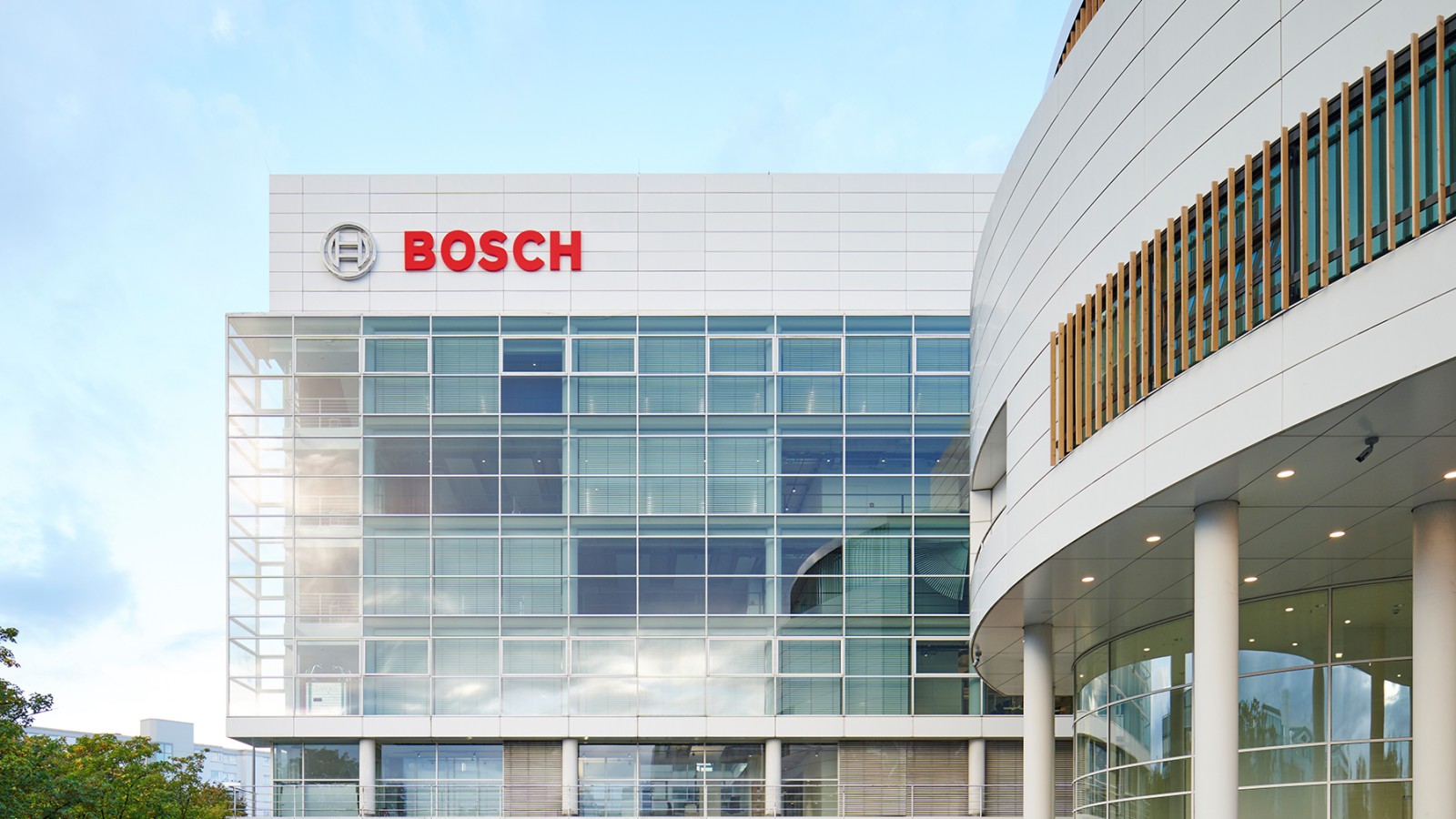
Bosch Building Technolgoies unified its brands
Run a free AEO + signal audit for your domain.
AI Answer Engine Optimization (AEO)
List once. Convert intent from live AI conversations without heavy integration.
Integrated building solutions are holistic frameworks that unify a building's management, control, and communication systems into a single, intelligent network. They encompass technologies like Building Management Systems (BMS), IoT sensors, energy management, and security. This integration enables optimal operational efficiency, reduces energy consumption, and enhances occupant comfort and safety.
Providers conduct a comprehensive audit of existing mechanical, electrical, and communication systems to identify integration opportunities and requirements.
A unified system architecture is engineered, specifying hardware and software platforms that enable seamless data exchange between subsystems.
Technologies are deployed, configured, and calibrated, with ongoing monitoring to ensure all systems operate synergistically for peak performance.
Centralized control of HVAC, lighting, and access to reduce energy costs and create adaptive, data-driven work environments.
Integration of production machinery, environmental controls, and safety systems to streamline operations and ensure regulatory compliance.
Coordinating critical systems like air quality, power, and medical gas distribution to maintain stringent safety and uptime standards.
Unifying point-of-sale, security, and environmental controls to enhance guest experience and optimize operational resource usage.
Linking energy generation, storage, and consumption data across multiple buildings to achieve net-zero or carbon-neutral goals.
Bilarna ensures you connect with reputable providers by evaluating each one against a proprietary 57-point AI Trust Score. This score rigorously assesses expertise, project reliability, regulatory compliance, and verified client feedback. Use Bilarna to confidently source partners for your integrated building solutions project.
Key cost drivers include the scale and age of existing infrastructure, the complexity of desired integrations, and the chosen technology stack. Software licensing, hardware retrofitting, and professional services for design and commissioning also significantly impact the total investment. A detailed feasibility study is essential for an accurate budget.
A modern system typically includes a Building Management System (BMS) as the central brain, IoT sensors and actuators, data analytics software, and secure communication networks. It integrates subsystems for HVAC, lighting, security, fire safety, and energy metering. The goal is a unified data environment for intelligent, automated control.
Project timelines vary from several months for a single building to over a year for large campuses, depending on scope. The process involves sequential phases: assessment and design, procurement, installation, commissioning, and user training. Phased rollouts are common for complex projects to minimize operational disruption.
ROI is primarily realized through significant reductions in energy and operational costs, often between 15-30%. Additional value comes from extended equipment lifespan, improved space utilization, and enhanced asset value. Most enterprises see a full payback within 3 to 5 years of implementation.
Yes, experienced providers use gateway devices and middleware to connect legacy systems to modern IP-based networks. The feasibility depends on the communication protocols of the existing equipment. A thorough audit will determine the best strategy, whether it's partial retrofitting or a phased, complete upgrade.
Yes, modern paywall solutions are designed to be compatible with both iOS and Android mobile applications. This cross-platform compatibility ensures that developers can implement a single paywall system across different devices and operating systems without needing separate solutions. It simplifies management and provides a consistent user experience regardless of the platform, making it easier to maintain and optimize monetization strategies.
Yes, AI agents can be integrated as full team members in work coordination. 1. Assign AI agents tasks just like human team members, with clear responsibilities. 2. Provide AI agents with identities, API keys, inboxes, and permissions to operate autonomously. 3. Enable AI agents to collaborate alongside humans on the same tasks and communication channels. 4. Allow AI agents to learn from completed tasks to improve their effectiveness over time. 5. Treat AI agents as first-class workers to streamline workflows and enhance team productivity.
Yes, AI code review tools typically integrate seamlessly with popular version control platforms such as GitHub and GitLab. This integration allows automatic review of pull requests within the existing development workflow. Many tools support a wide range of programming languages including Python, JavaScript, TypeScript, Go, Java, C, C++, C#, Swift, PHP, Rust, and others. While support for some languages may vary in response quality, these tools aim to provide comprehensive analysis across diverse codebases, helping teams maintain code quality regardless of their technology stack.
Yes, AI design engineering tools are designed for seamless integration with existing CAD, BIM, and project management software. This compatibility ensures that engineers can continue using their preferred tools without disrupting established workflows. The integration facilitates data exchange and collaboration, enhancing efficiency and enabling teams to leverage AI capabilities alongside their current systems.
Yes, AI planning platforms are designed to integrate seamlessly with existing trucking management tools and portals. This means there is no need to replace current systems, allowing fleets to enhance their operations without disrupting established workflows. Integration is typically facilitated through pre-built connectors that link the AI platform with the fleet's existing data sources and software. This approach enables a fast start and real impact, as fleets can deploy AI-driven planning solutions risk-free and begin seeing results within a short timeframe, often within a month. Continuous support is also provided to ensure smooth integration and ongoing optimization.
Yes, an integrated digital marketing agency typically offers flexible service models, allowing you to select specific services to match your project goals and budget. You are not required to purchase a full package. You can tailor your engagement to include only the services you need, such as SEO management, PPC advertising, social media marketing, branding, graphic design, web development, or video production. This a la carte approach ensures you pay only for the expertise required to achieve your objectives. The agency will create a custom proposal based on your defined scope, providing a cost-effective and targeted solution.
Many modern data analytics platforms are designed to integrate seamlessly with your existing technology infrastructure. This means you do not need to replace your current systems to start using the platform. These solutions are built with flexibility in mind, allowing them to sit on top of your existing ecosystem without requiring extensive integration work on your part. This approach helps organizations adopt new analytics capabilities quickly while preserving their current investments in technology. It is advisable to check with the platform provider about specific integration options and compatibility with your current setup.
Yes, financial automation solutions are often modular and customizable to fit the specific needs of different businesses. Organizations can select and adapt only the modules they require, such as accounts payable, accounts receivable, billing, or treasury management, allowing them to scale their automation at their own pace. This flexibility ensures that companies can address their unique operational challenges without unnecessary complexity or cost. Additionally, user-friendly tools and AI capabilities enable teams to maintain compliance and efficiency while tailoring the system to their workflows. Customized onboarding and collaborative support further help businesses get up and running quickly with solutions that match their requirements.
Collaborate with your team on AI agents by using multi-seat paid plans. 1. Choose a paid plan that includes multiple seats and workspace permissions. 2. Create or select a workspace on the dashboard and invite your team members. 3. Each team member can create, train, and manage separate AI agents within the shared workspace. 4. Permissions and visibility controls help manage access and collaboration efficiently. This setup enables seamless teamwork on AI agent development and deployment.
Enable real-time collaboration using a cloud-based game engine. 1. Sign up and open your game project in the browser. 2. Invite team members to join the project. 3. Work simultaneously with multiple developers editing the same game. 4. View live cursors, edits, and changes from collaborators. 5. Save and deploy your game with all team contributions integrated.