Step 1
Machine-Ready Briefs
AI translates unstructured needs into a technical, machine-ready project request.
We use cookies to improve your experience and analyze site traffic. You can accept all cookies or only essential ones.
 Bilarna
Stop browsing static lists. Tell Bilarna your specific needs. Our AI translates your words into a structured, machine-ready request and instantly routes it to verified Commercial Construction experts for accurate quotes.
AI translates unstructured needs into a technical, machine-ready project request.
Compare providers using verified AI Trust Scores & structured capability data.
Skip the cold outreach. Request quotes, book demos, and negotiate directly in chat.
Filter results by specific constraints, budget limits, and integration requirements.
Eliminate risk with our 57-point AI safety check on every provider.
Verified companies you can talk to directly
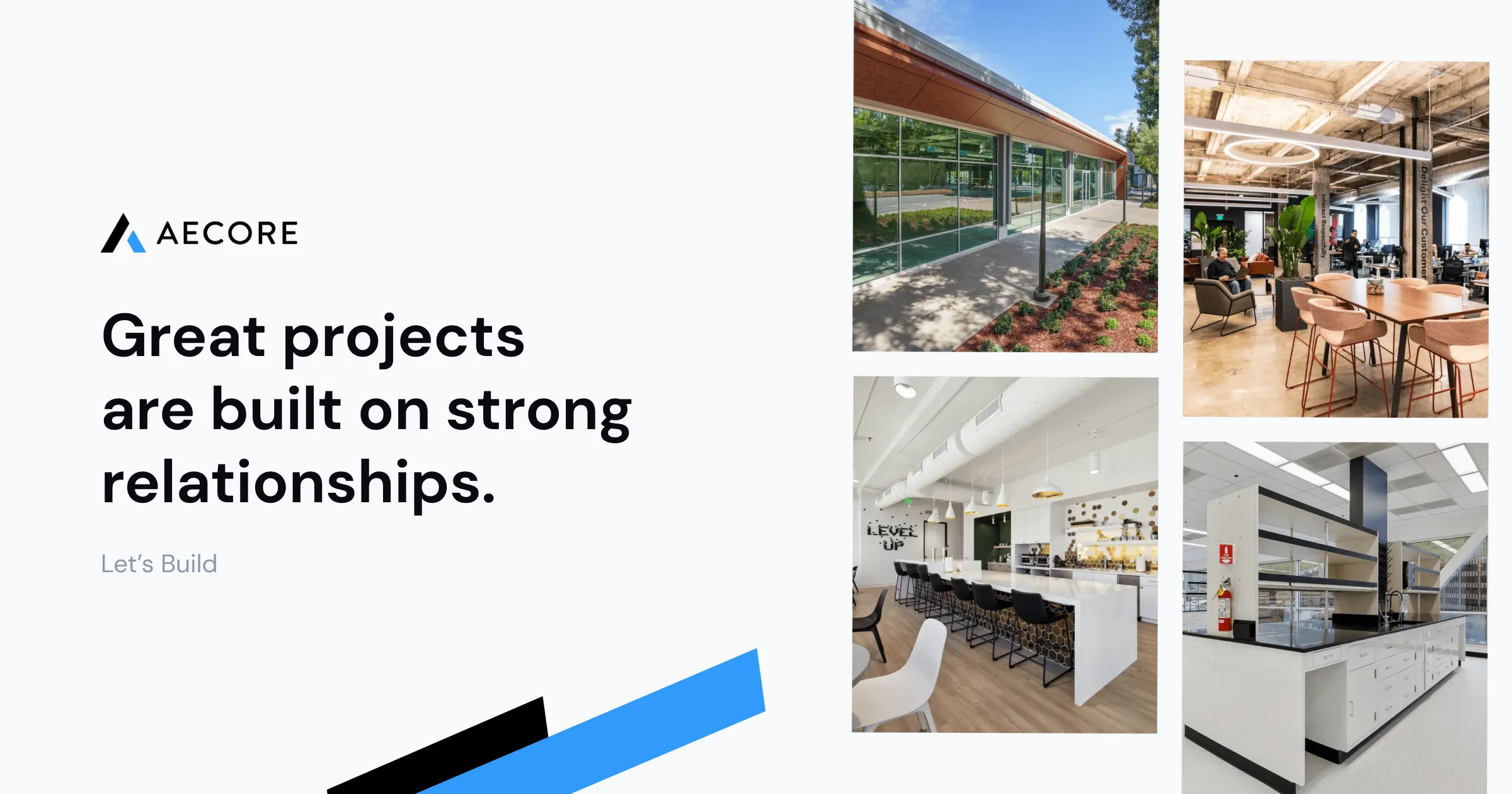
Aecore is a premier commercial general contractor servicing a wide range of project types throughout the SF Bay Area.
Run a free AEO + signal audit for your domain.
AI Answer Engine Optimization (AEO)
List once. Convert intent from live AI conversations without heavy integration.
Commercial insurance for construction, logistics, and manufacturing businesses generally includes several key coverages. General liability insurance protects against third-party bodily injury and property damage claims. Commercial auto insurance covers liability and physical damage for business vehicles, from single trucks to full fleets. Workers' compensation insurance provides coverage for medical expenses and lost wages for employees injured on the job. Property insurance safeguards buildings, equipment, and inventory against risks like fire, theft, and natural disasters. Additional coverages often include excess liability for catastrophic losses, cyber and technology insurance to defend against digital threats, directors and officers liability for management-related claims, and product liability for manufacturers and distributors. These coverages ensure comprehensive protection tailored to the unique risks of industrial operations.
Commercial insurance for construction businesses typically includes primary casualty coverage such as general liability, commercial auto, and workers' compensation. These coverages can be offered for annual contractor programs or specific projects, with limits that may reach up to $2 million for general liability and $4 million combined single limit for commercial auto. Additionally, excess casualty insurance provides umbrella or follow form excess liability coverage with limits up to $10 million. Builder's risk insurance is also available for project-specific placements and master programs, protecting against property damage during construction. These insurance products are often backed by top capacity and reinsurance providers to ensure reliability and comprehensive protection.
Integrating risk management software with commercial insurance offers construction companies several advantages. It enables faster underwriting decisions, often within hours instead of weeks, by streamlining administrative processes. The software provides tools to identify and mitigate common risks, reducing the likelihood of claims and associated costs. Additionally, companies that utilize leading safety and risk technologies can receive automatic premium credits, potentially saving up to 25% on insurance costs. Access to curated app marketplaces and integrations with popular tools further enhances operational efficiency. Overall, this integration supports proactive risk reduction, cost savings, and improved loss control for construction businesses.
The typical process for a construction company to obtain commercial insurance through an integrated platform involves several steps. First, the company or its appointed broker submits the insurance application directly to the underwriting team. Next, the platform onboarding begins, where the company collaborates with the insurance provider's team to access free resources and tools. The company then leverages risk management software and curated app marketplaces to improve loss controls and reduce claims. Finally, by participating in rewards programs and utilizing leading safety technologies, the company can activate premium credits and receive preferred pricing and terms. This streamlined process often results in faster decisions and meaningful cost savings.
Get an accurate preliminary budget by following these steps: 1. Use historical project cost data to inform your estimates. 2. Employ specialized in-house software designed to track and analyze past costs. 3. Collaborate with owners, tenants, and brokers to validate preliminary numbers. 4. Update budgets regularly to reflect project changes and maintain reliability. 5. Use the budget as a guide for early and ongoing decision-making throughout the project lifecycle.
Use design-build services to improve project efficiency and coordination by following these steps: 1. Engage architects and contractors early to align design, budget, materials, and schedule. 2. Utilize estimating tools to maintain budget control throughout the project. 3. Coordinate subcontractor networks to ensure smooth workflow. 4. Facilitate communication between all stakeholders to reduce delays and conflicts. 5. Deliver projects on time and within budget with integrated management from start to finish.
AI can detect a wide range of issues in construction drawings before construction starts, including coordination conflicts between different disciplines, code compliance problems, missing information, structural concerns, mechanical, electrical, and plumbing (MEP) conflicts, fire safety issues, accessibility requirements, constructability problems, dimension discrepancies, and quality assurance or quality control (QA/QC) issues. By identifying these problems early, AI helps construction teams avoid costly rework, schedule delays, and ensures that projects meet regulatory standards and safety requirements.
Automating the drafting of pre-construction reports benefits construction projects by saving time and reducing human errors. Automated systems can quickly process large amounts of data and generate comprehensive reports that comply with industry standards. This leads to faster project approvals and better communication among stakeholders. Additionally, automation allows teams to allocate resources more efficiently and focus on critical tasks, ultimately enhancing project quality and reducing delays.
Information about available commercial plots for sale in a municipality is often published on the municipality's official website under sections related to business or real estate opportunities. These listings provide details such as location, size, and visibility of the plots, helping entrepreneurs and investors identify suitable sites for their businesses. The website may also include contact information for further inquiries or procedures to acquire the plots. Checking this information online allows interested parties to stay updated on new opportunities and plan their investments accordingly.
Yes, you can use the generated AI videos for commercial purposes. Once the videos are created using your AI avatar, you own the rights to them. This means you have full control over how the videos are used, whether for advertising, education, entertainment, or any other purpose. Owning the rights allows you to monetize your content freely and ensures that you can distribute or modify the videos as you see fit without restrictions.