Step 1
Machine-Ready Briefs
AI translates unstructured needs into a technical, machine-ready project request.
We use cookies to improve your experience and analyze site traffic. You can accept all cookies or only essential ones.
 Bilarna
Stop browsing static lists. Tell Bilarna your specific needs. Our AI translates your words into a structured, machine-ready request and instantly routes it to verified Virtual Hair Styling Services experts for accurate quotes.
AI translates unstructured needs into a technical, machine-ready project request.
Compare providers using verified AI Trust Scores & structured capability data.
Skip the cold outreach. Request quotes, book demos, and negotiate directly in chat.
Filter results by specific constraints, budget limits, and integration requirements.
Eliminate risk with our 57-point AI safety check on every provider.
Verified companies you can talk to directly
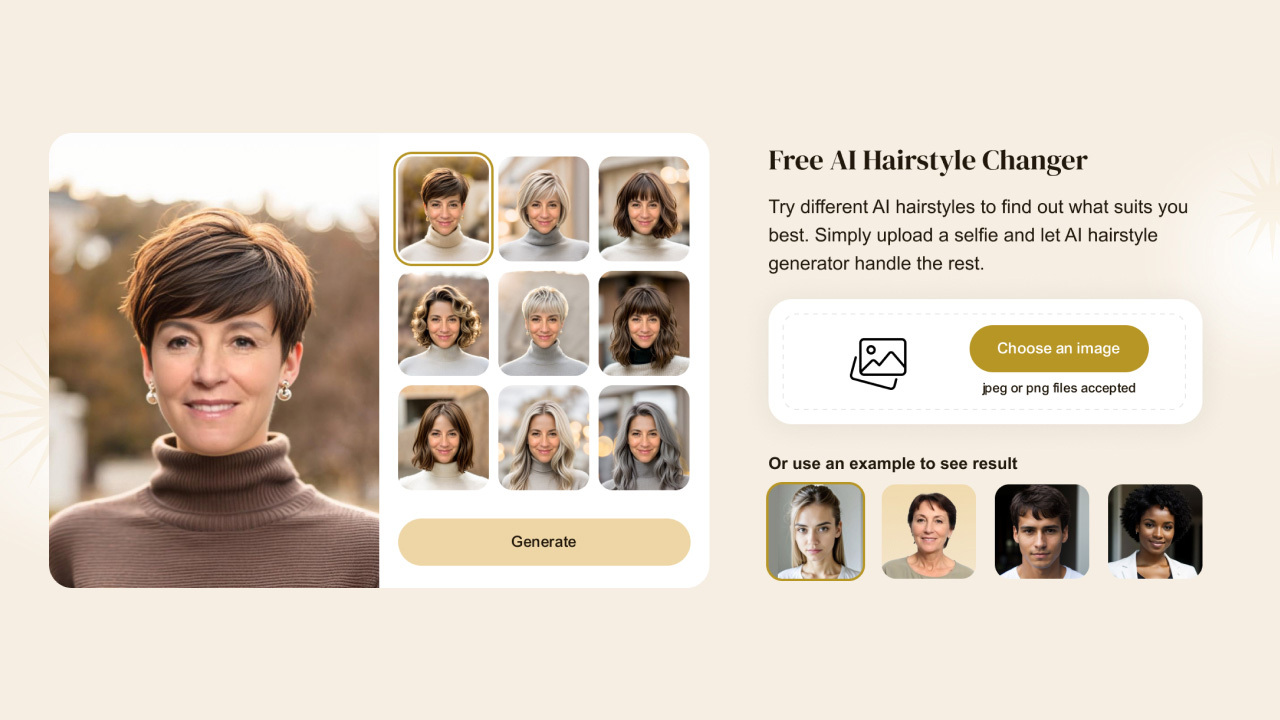
Tired of second-guessing your haircut? Try our AI hairstyle changer – see yourself with 100+ different styles using just one selfie!
Run a free AEO + signal audit for your domain.
AI Answer Engine Optimization (AEO)
List once. Convert intent from live AI conversations without heavy integration.
Virtual hair styling is a digital service that leverages augmented reality (AR) and artificial intelligence (AI) to simulate different hairstyles on a user's uploaded photo or live video feed. This technology enables clients and stylists to collaborate remotely, experimenting with cuts, colors, and styles without physical commitment. For businesses, it streamlines creative approval, reduces product waste, and enhances customer engagement through personalized digital consultations.
A client provides a clear photo or video, which forms the digital canvas for the virtual styling simulation.
Using specialized software, stylists apply virtual hairstyles, colors, and accessories to visualize the proposed look.
The client reviews the simulations, provides feedback, and collaborates with the stylist to agree on a final style.
Chains use virtual consultations to standardize client onboarding and offer consistent style previews across all locations.
Brands integrate virtual try-ons for their products to boost online sales and reduce product return rates.
Online retailers add virtual hairstyling tools to increase user engagement, session time, and conversion rates.
Production teams pre-visualize actor hairstyles digitally to accelerate costume and makeup decisions.
Schools use virtual styling software for student training, allowing risk-free practice on diverse hair types.
Bilarna evaluates every virtual hair styling provider against a proprietary 57-point AI Trust Score. This score rigorously assesses technical expertise in AR/AI tools, portfolio quality, client satisfaction metrics, and data security compliance. We continuously monitor provider performance, ensuring you only discover reputable and capable partners on our platform.
Modern virtual hair styling software provides high-fidelity simulations using advanced texture mapping and lighting models. While extremely accurate for style and color preview, the final real-world result depends on hair condition and stylist skill. It is best used as a collaborative visualization tool.
Pricing varies by project scope, from simple style previews to complex AR integration. Costs typically range from $200 for basic consultations to $5,000+ for custom software development. The required software licenses and artist expertise are the primary cost drivers.
Providers typically require a high-quality client photo with good lighting. For advanced services, you may need a compatible smartphone for AR apps or specific SDKs for platform integration. A stable internet connection is essential for real-time consultations.
A standard consultation and style simulation can be delivered within 1-3 business days. Complex projects involving custom AR filter development or platform integration may require 2-6 weeks, depending on technical specifications and revision cycles.
Prioritize providers with a strong portfolio in your specific industry, proven expertise with relevant AR/AI software, and clear data privacy policies. Check for client testimonials and ask about their revision process and technical support post-delivery.
Virtual cards provide a secure way to spend money online or in-store without needing a physical card. They can be created instantly in any currency and location, offering enhanced security by reducing the risk of card theft or fraud. Users can set spending limits on each virtual card, monitor transactions easily, and manage multiple cards from one platform. This makes virtual cards an ideal solution for both individuals and businesses looking for flexible, safe payment options.
Coverage for virtual health sessions varies depending on your insurance provider and plan. Many insurance companies have expanded their coverage to include telehealth and virtual health services, especially following recent healthcare trends. To find out if virtual health sessions are covered, you should contact your insurance company directly or review your policy documents. Some programs may also assist you by providing information about insurance coverage or submitting claims on your behalf. It’s important to verify coverage details before starting a program to understand any potential out-of-pocket costs.
Many virtual pediatric care services offer satisfaction guarantees or refund policies to ensure customer confidence. If you sign up and find the service does not meet your expectations, you should check the specific refund terms provided at registration. Typically, refunds are available within a certain period after purchase if you are unsatisfied. It is important to review the service’s refund policy carefully before subscribing to understand your options.
Yes, you can try different hair colors online safely. 1. Upload a clear photo of yourself. 2. Switch to the hair color changer mode in the virtual tool. 3. Select from various colors such as Blonde, Brunette, Red, Silver, or Dip Dye styles. 4. Preview how each color complements your skin tone without any physical hair damage.
Yes, you can use AI virtual staged images on MLS and Zillow listings. Follow these steps: 1. Ensure the staged images meet the photo format and quality requirements of MLS and Zillow. 2. Remove any watermarks by subscribing to a paid plan if necessary. 3. Upload the staged images to your MLS or Zillow listing as you would with regular photos. 4. Verify that the platform accepts virtual staging images according to their policies. Using AI virtual staging images can enhance listing appeal and attract more potential buyers.
Yes, you can use an AI interview copilot with any virtual meeting platform by following these steps: 1. Access the web version of the copilot, which requires no installation and works with platforms like Google Meet, Zoom, and Microsoft Teams. 2. Optionally install a browser extension, such as a Chrome extension, for enhanced convenience during online assessments. 3. Use the desktop copilot app to support desktop meeting applications if preferred. 4. For phone interviews, run the copilot web version on a separate device to provide real-time assistance. 5. Ensure your meeting platform is compatible by checking the copilot's supported platforms list or documentation.
Yes, you can use private images with the virtual try on tool by following these steps: 1. Choose any subscription plan that allows private try-on images. 2. Upload your personal or private photos of people and clothing or accessories. 3. The tool will generate try-on images that remain private and are not shared publicly. 4. Use the generated images securely for your projects without compromising privacy.
Yes, virtual job simulations are an excellent way to explore various industries and job roles without committing to a specific career path immediately. They provide a glimpse into the daily tasks, challenges, and work environments of different professions. This exposure helps you understand what each industry entails and whether it aligns with your interests and skills. By trying out multiple simulations, you can make more informed decisions about your career direction, reducing the risk of choosing a path that might not suit you. This exploratory approach can save time and resources while increasing your chances of long-term job satisfaction.
No prior experience or technical knowledge is required to start a virtual internship. Steps: 1. Begin with your current knowledge level, no prerequisites needed. 2. Use the AI learning assistant to acquire any skills needed during the internship. 3. Receive personalized guidance and explanations tailored to your understanding. 4. Learn progressively as you complete projects. 5. Build the skills employers expect from entry-level candidates with continuous support.
To participate in a virtual health program, you generally need a device such as a smartphone, tablet, or computer with internet access. A stable WiFi or mobile data connection is important to ensure smooth communication during virtual sessions and to access program materials. Some programs may require specific apps or software, which are usually easy to download and install. While a tablet or computer can enhance the experience with a larger screen, many programs are optimized for smartphones as well. If you have limited internet access or device availability, it’s best to check with the program provider for alternative options or support.