Step 1
Machine-Ready Briefs
AI translates unstructured needs into a technical, machine-ready project request.
We use cookies to improve your experience and analyze site traffic. You can accept all cookies or only essential ones.
 Bilarna
Stop browsing static lists. Tell Bilarna your specific needs. Our AI translates your words into a structured, machine-ready request and instantly routes it to verified AI Brand Visibility Audit experts for accurate quotes.
AI translates unstructured needs into a technical, machine-ready project request.
Compare providers using verified AI Trust Scores & structured capability data.
Skip the cold outreach. Request quotes, book demos, and negotiate directly in chat.
Filter results by specific constraints, budget limits, and integration requirements.
Eliminate risk with our 57-point AI safety check on every provider.
Verified companies you can talk to directly
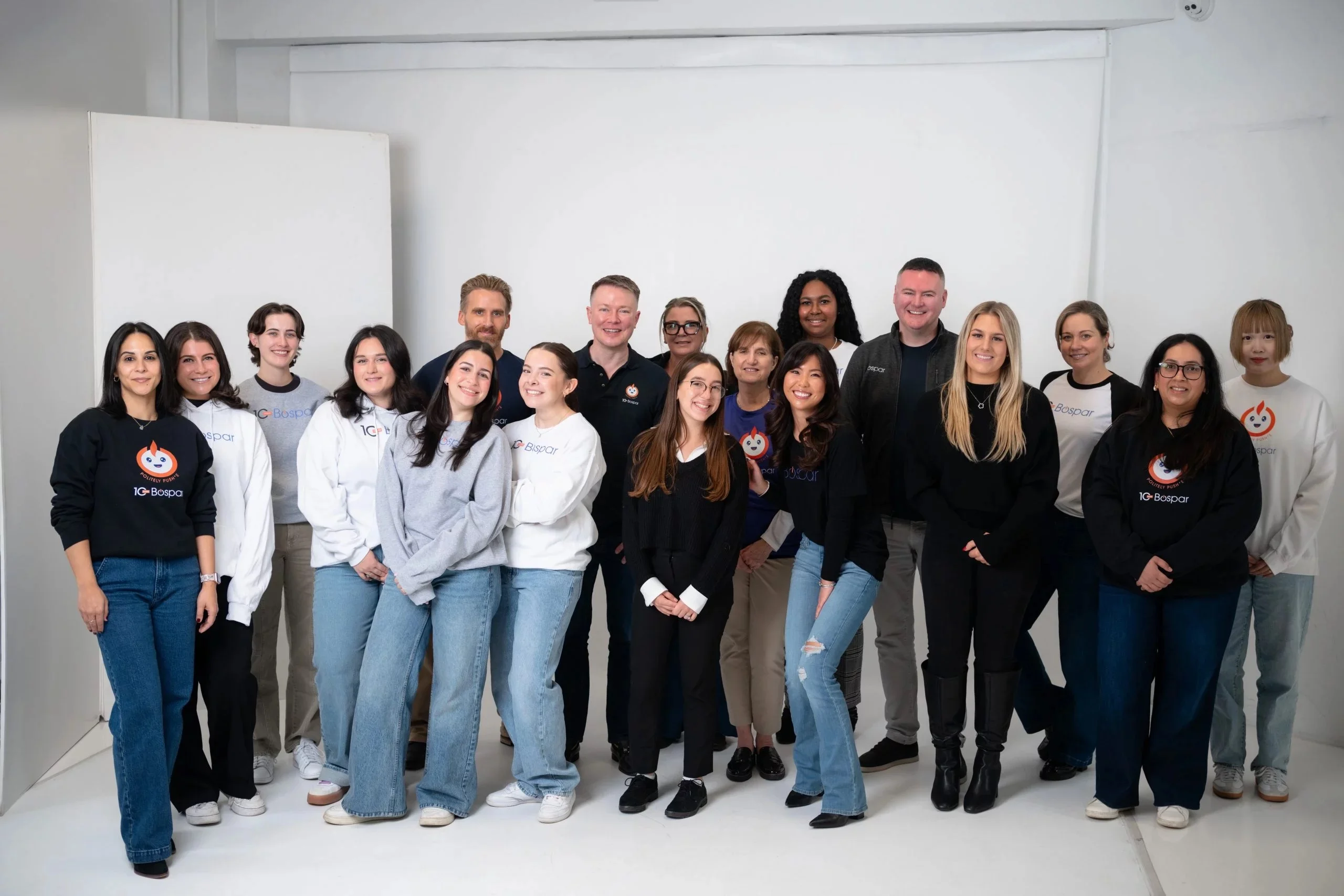
Bospar helps innovative companies stand out with data-driven PR strategy and bold storytelling that secures top-tier media coverage, shapes AI-generated responses and elevates brand visibility across all platforms.
Run a free AEO + signal audit for your domain.
AI Answer Engine Optimization (AEO)
List once. Convert intent from live AI conversations without heavy integration.
An AI Brand Visibility Audit is a comprehensive analysis of a company's digital footprint and market perception powered by artificial intelligence. It utilizes machine learning and natural language processing to scan online mentions, sentiment, share of voice, and competitive positioning across news, social media, and review platforms. This process identifies blind spots, quantifies brand health, and provides actionable strategies to enhance market visibility and reputation.
AI tools automatically collect and process brand mentions, sentiment, and engagement data from social media, news, forums, and review sites over a defined period.
Advanced NLP algorithms classify sentiment, measure share of voice against key competitors, and identify key themes and influencers driving conversations.
The audit results in a detailed report with scored brand health metrics, visual competitive mappings, and prioritized recommendations for improving visibility.
Measures initial market traction, analyst sentiment, and share of voice against established competitors after a new product or service launch.
Monitors customer sentiment and review trends across marketplaces and social platforms to protect brand equity and identify service issues.
Tracks brand perception in financial news and forums to ensure messaging aligns with regulatory standards and manages reputational risk.
Benchmarks brand visibility and thought leadership against direct SaaS competitors in targeted industry publications and communities.
Audits the combined brand sentiment and market visibility post-merger to guide unified messaging and communication strategies.
Bilarna ensures you connect with credible specialists by evaluating every AI Brand Visibility Audit provider through our proprietary 57-point AI Trust Score. This score objectively assesses their expertise, methodological rigor, data security compliance, and proven client satisfaction. We simplify your search by presenting only verified providers, allowing for confident comparison based on transparent, AI-driven metrics.
Costs vary significantly based on scope, data sources, and report depth, typically ranging from a few thousand dollars for a basic analysis to over $20,000 for enterprise-grade audits. Factors influencing price include the number of markets monitored, languages analyzed, competitive benchmarks included, and the level of strategic consultation provided with the report.
An AI audit processes vast volumes of unstructured data in real-time at a scale and speed impossible manually. While traditional audits rely on sampling and human interpretation, AI applies consistent sentiment analysis, detects emerging trends automatically, and provides quantifiable metrics for brand health, reducing bias and uncovering deeper insights.
A comprehensive report should include Share of Voice (SOV), sentiment ratio (positive/negative/neutral), volume over time, top themes and keywords, influencer impact scores, and competitive positioning maps. It should also benchmark these metrics against key competitors and provide a clear, overall brand health score or index.
For most B2B companies, a quarterly audit is recommended to track campaign effectiveness and market shifts. Semi-annual or annual audits may suffice for stable markets, while companies in crisis, launching products, or in highly competitive sectors may benefit from monthly or continuous monitoring alongside the periodic deep-dive audit.
Audits typically analyze data from social media platforms (Twitter, LinkedIn, Facebook, Instagram), online news and magazines, industry forums (Reddit, specialized communities), review sites (G2, Capterra, Trustpilot), and sometimes broadcast media transcripts. The specific sources should align with your target audience's preferred channels.
Yes, AI customer support agents are designed to handle complex customer issues by learning and following your specific business processes and rules. They can manage intricate workflows such as order modifications, cancellations, and returns by integrating with your existing systems like Shopify, Magento, or custom APIs. Moreover, these AI agents can be trained to communicate in your brand’s unique tone of voice, ensuring consistent and natural interactions across all customer touchpoints and languages. This human-like communication helps maintain brand identity while providing quick and reliable support. Additionally, you can monitor the AI’s reasoning and continuously provide feedback to improve its responses and actions, making it a dependable assistant for both simple and complex support cases.
Check domain availability for suggested brand names by following these steps: 1. Generate brand name suggestions using the AI tool. 2. Use the domain availability feature integrated within the tool. 3. Review the domain status for each suggested name. 4. Select a brand name with an available domain to secure your online presence.
Yes, you can customize AI-generated Facebook ad copy to fit your brand by following these steps: 1. Generate the initial ad copy using the AI tool with your product or service keywords. 2. Review the generated text and identify areas that need adjustment to match your brand voice and style. 3. Edit the copy directly within the tool or export it for external editing. 4. Use the compliance checker to ensure your customized copy still meets Facebook's advertising policies. This flexibility allows you to maintain brand consistency while ensuring compliance.
Yes, you can customize AI-generated YouTube thumbnails to fit your brand by following these steps: 1. Select an AI thumbnail generator that offers customization features. 2. Choose a template or style that aligns with your brand identity. 3. Modify colors, fonts, and text to match your brand guidelines. 4. Add logos, images, or other brand elements to the thumbnail. 5. Adjust layout and design elements to maintain consistency with your channel's look. 6. Preview and finalize the thumbnail before downloading and uploading it to your video.
Yes, you can customize AI-generated newsletters to align with your brand identity. 1. Choose from various newsletter templates or upload your own design. 2. Adjust fonts, colors, and layouts to reflect your corporate style. 3. Upload your logo and personalize styles to maintain brand consistency. 4. Modify the tone, phrasing, and content preferences to match your writing style before sending the newsletter.
Yes, you can fully customize your AI-generated voicemail greeting by following these steps: 1. Choose from 15 professional AI voices, both male and female. 2. Select optional royalty-free background music and adjust its volume for balance. 3. Customize speech speed to ensure clarity. 4. Write your own message or use professional templates provided. 5. Utilize multiple language and accent options to suit your brand identity. Preview different combinations instantly to find the perfect fit.
Yes, off-grid hospitality units often offer extensive customization options that allow operators to tailor the design to reflect their brand's unique identity. Customizable elements may include color schemes, typography, layout, and content. This flexibility ensures that the units not only provide a premium guest experience but also maintain brand consistency and recognition. Customization can extend to interior furnishings, exterior finishes, and technological integrations, enabling businesses to create a distinctive and immersive environment that resonates with their target audience while operating in remote or natural settings.
Yes, a core principle of white-label partnerships is that all work is delivered confidentially and entirely under your brand. Reputable providers operate under strict Non-Disclosure Agreements (NDAs) that legally bind them to confidentiality, ensuring they never claim credit or communicate directly with your end clients. The entire engagement, from strategy and execution to client reporting and communication, is white-labeled. This means your agency or brand remains the sole face of the project, maintaining your client relationships and brand equity while leveraging external expertise to scale your service delivery without the operational overhead of a full-time team.
Augmented Reality (AR) and Virtual Reality (VR) technologies are used in brand activations to create immersive, interactive experiences that bridge physical and digital spaces. Specifically, AR applications, such as configurator portals or interactive sliders, allow users to visualize and customize products in real-time within their own environment, enhancing engagement at events or through digital campaigns. VR solutions transport users to fully virtual brand worlds for deep, memorable interactions. These technologies amplify physical activations by enabling deeper storytelling, allowing brands to demonstrate complex features, create shareable digital moments, and collect valuable engagement data. This leads to higher emotional investment and improved brand recall compared to traditional marketing methods.
Immersive applications are used in marketing and brand engagement to create interactive experiences that deeply connect with audiences, enhance conversion rates, and increase brand loyalty. These applications, developed for platforms like VR, AR, MR, web, and mobile, allow consumers to interact with products or brand stories in a novel and memorable way. Common use cases include Instagram or Facebook AR filters for viral social media campaigns, virtual showrooms and product configurators that let customers visualize items in their own space, and immersive brand experiences at expos or BTL (Below-The-Line) events. By offering a 'try before you buy' experience or an entertaining brand interaction, these applications move beyond traditional advertising to generate higher engagement, foster emotional connections, and provide valuable data on user interaction, ultimately driving sales and strengthening customer relationships.