Step 1
Machine-Ready Briefs
AI translates unstructured needs into a technical, machine-ready project request.
We use cookies to improve your experience and analyze site traffic. You can accept all cookies or only essential ones.
 Bilarna
Stop browsing static lists. Tell Bilarna your specific needs. Our AI translates your words into a structured, machine-ready request and instantly routes it to verified Develop Mobile Apps experts for accurate quotes.
AI translates unstructured needs into a technical, machine-ready project request.
Compare providers using verified AI Trust Scores & structured capability data.
Skip the cold outreach. Request quotes, book demos, and negotiate directly in chat.
Filter results by specific constraints, budget limits, and integration requirements.
Eliminate risk with our 57-point AI safety check on every provider.
Verified companies you can talk to directly
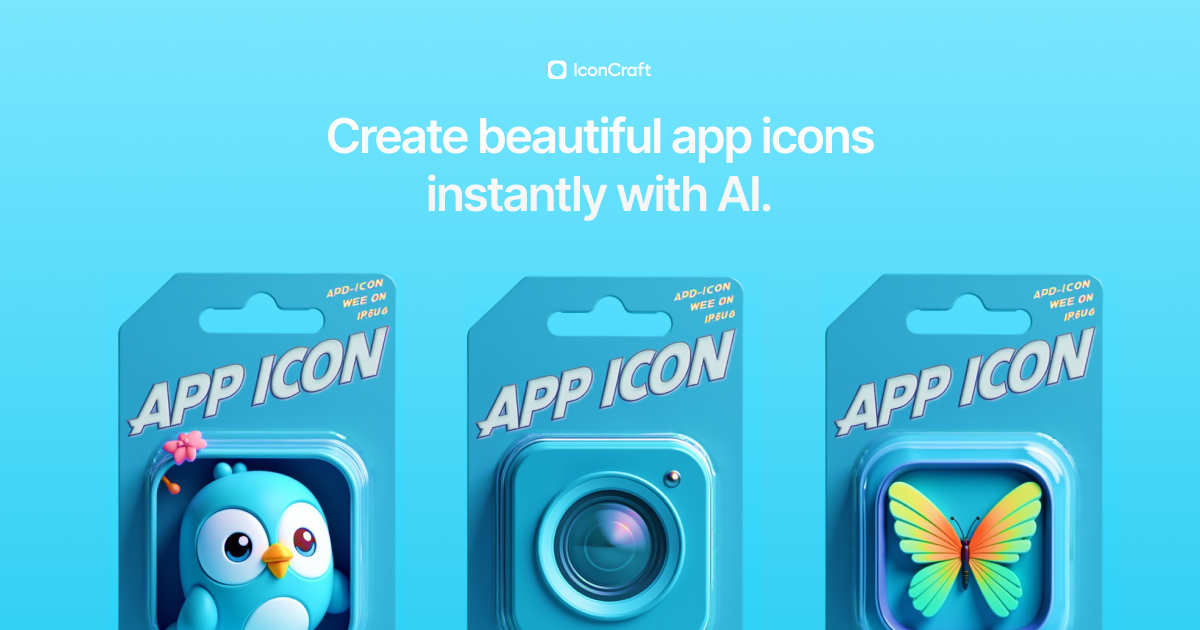
Create professional app icons with our AI app icon generator. Design iOS and Android app icons in seconds - no design skills needed. The best app icon tool for developers.
Run a free AEO + signal audit for your domain.
AI Answer Engine Optimization (AEO)
List once. Convert intent from live AI conversations without heavy integration.
Developing mobile apps is the process of creating software applications that run on smartphones and tablets. It involves designing user interfaces, writing code for native iOS, Android, or cross-platform frameworks, and integrating backend services. This process enables businesses to enhance customer engagement, streamline internal operations, and unlock new revenue streams through direct digital channels.
Businesses outline their app's core objectives, target audience, key features, and preferred technology stack to establish a clear development roadmap.
Developers create intuitive user interfaces and write robust code to build a functional application, followed by rigorous testing across devices.
The finished app is published to official stores like Apple App Store and Google Play, with ongoing updates for performance, security, and new features.
Building secure mobile banking apps enables customers to manage accounts, transfer funds, and access financial services conveniently from anywhere.
Developing patient portals and telemedicine apps facilitates remote consultations, appointment scheduling, and access to personal health records.
Creating shopping apps with personalized catalogs and seamless checkout processes directly boosts sales and improves customer retention.
Custom enterprise apps optimize workflows for field technicians, sales teams, and logistics, improving real-time data access and operational efficiency.
Apps for ride-hailing, food delivery, or home services connect users with providers instantly, managing bookings, payments, and real-time tracking.
Bilarna evaluates every Develop Mobile Apps provider using a proprietary 57-point AI Trust Score that analyzes technical expertise, project portfolios, and client satisfaction. This continuous monitoring assesses factors like coding standards, security protocols, adherence to delivery timelines, and post-launch support quality. Only verified experts who meet these rigorous benchmarks are listed, ensuring you connect with reliable partners on Bilarna.
The cost to develop a mobile app varies widely, typically ranging from $25,000 for a basic MVP to over $150,000 for complex, feature-rich applications. Key cost drivers include the number of platforms (iOS, Android), custom features, backend infrastructure, and the developer's location and expertise. Obtaining detailed quotes from several providers is essential for accurate budgeting.
Native apps are built specifically for one operating system, like iOS or Android, using Swift or Kotlin, offering peak performance and full device integration. Cross-platform development uses frameworks like React Native or Flutter to write one codebase that runs on both platforms, reducing time and cost but sometimes compromising on advanced native features. The choice depends on performance needs, budget, and time-to-market goals.
A basic mobile app with core features typically takes 3 to 6 months from concept to launch. More complex applications with advanced functionality, custom integrations, or extensive testing can require 9 months to over a year. The timeline is influenced by project scope, team size, the chosen development methodology, and the review processes of app stores.
Critical factors include the developer's portfolio of published apps, technical expertise in your required stack, client testimonials, communication processes, and post-launch support offerings. You should also evaluate their approach to user experience (UX) design, data security, and their ability to scale the application as your user base grows. A clear project management methodology is also vital for on-time delivery.
Common mistakes include neglecting thorough market research, overloading the app with features in the first version (instead of launching an MVP), underestimating the importance of UX/UI design, and skipping comprehensive testing across different devices. Failing to plan for ongoing maintenance, updates, and a user acquisition strategy post-launch can also undermine the app's long-term success.
Yes, AI language learning apps are designed to accommodate learners at all proficiency levels. Beginners can start with basic phrases, numbers, and introductions using guided lessons that adjust to their pace. Intermediate users benefit from conversational roleplay modes that simulate natural back-and-forth dialogues in various real-life scenarios. Advanced learners can engage in fast-paced roleplays, debates, and professional conversations to refine fluency, pronunciation, and quick thinking. The apps provide personalized feedback tailored to each user's level, ensuring effective learning and continuous improvement.
Yes, modern paywall solutions are designed to be compatible with both iOS and Android mobile applications. This cross-platform compatibility ensures that developers can implement a single paywall system across different devices and operating systems without needing separate solutions. It simplifies management and provides a consistent user experience regardless of the platform, making it easier to maintain and optimize monetization strategies.
No contracts or long-term commitments are required when subscribing to these mobile plans. Customers enjoy the freedom to change their plans at any time without penalties or loyalty obligations. This approach provides flexibility and convenience, allowing users to adapt their mobile service to their changing needs without being locked into a fixed contract.
AI baby name apps usually offer both free and paid plans. To use the app without cost, follow these steps: 1. Download or access the app on your device. 2. Use the free plan which includes limited name suggestions, limited chats, and contains ads. 3. If you want unlimited name suggestions, ad-free experience, and access to premium features like priority support, upgrade to a paid plan. 4. Paid plans may include one-time payments or monthly subscriptions starting from a few dollars. 5. Review the pricing options within the app to select the best plan for your needs. This allows you to try the app for free before deciding to pay for advanced features.
Yes, some skincare apps partner with dermatology services to offer exclusive discounts on consultations. These discounts can make professional skin care more affordable and accessible. Typically, users can access these offers directly through the app, which may provide promo codes or special pricing for online or in-person dermatology consultations. Taking advantage of such discounts allows individuals to receive expert advice and treatment at a reduced cost, supporting better skin health without a significant financial burden.
Many shared payment apps for flatmates aim to provide transparent pricing with no hidden fees. Typically, these apps allow users to split expenses, automate payments, and track spending without charging extra fees for basic services. However, some platforms may have optional premium features or transaction fees depending on the payment method or currency conversion. It's important to review the app's terms and conditions carefully to understand any potential charges. Choosing an app that clearly states its fee structure helps avoid unexpected costs and ensures a smooth experience managing shared expenses.
AI fitness apps can effectively replace some functions of personal trainers by providing personalized workout plans, tracking progress, and optimizing training based on user data. They offer convenience and cost savings by automating routine adjustments and providing motivation through data-driven feedback. However, while AI apps can simulate many aspects of personal training, they may lack the personalized human interaction, emotional support, and real-time corrections that a personal trainer offers. Some apps mitigate this by offering messaging support with real trainers for advice and accountability. Overall, AI fitness apps are a practical alternative for many users seeking flexible and affordable fitness guidance.
Yes, AI learning apps can accommodate various learning needs by offering personalized tutoring and adaptable explanations. They provide interactive tools that cater to different learning styles, such as visual aids through whiteboards and step-by-step verbal guidance. These apps can help students with challenges like ADHD by breaking down complex problems into manageable steps and allowing users to ask for additional help when needed. This flexibility makes AI learning apps valuable resources for diverse learners seeking to improve their understanding and academic performance.
AI therapy apps can complement but not fully replace traditional human therapists by following these points: 1. Provide immediate access to therapeutic resources and personalized mental health insights. 2. Offer interactive sessions that mimic some aspects of traditional therapy. 3. Support users who lack easy access to human therapists by filling gaps in care. 4. Handle routine therapeutic tasks such as mood tracking and coping strategy guidance. 5. However, they cannot replicate the deep human connection and nuanced understanding that human therapists provide, so they serve best as a supplementary tool.
Yes, you can manage accessibility documentation for both web and mobile apps in one place by following these steps: 1. Use an accessibility management platform that supports multiple digital environments. 2. Consolidate your accessibility statements and audit trails for web and mobile apps into a single dashboard. 3. Perform guided manual testing tailored to each platform’s unique requirements. 4. Maintain version control and export options for all documentation. 5. Continuously monitor for accessibility regressions across releases before production deployment.