Step 1
Machine-Ready Briefs
AI translates unstructured needs into a technical, machine-ready project request.
We use cookies to improve your experience and analyze site traffic. You can accept all cookies or only essential ones.
 Bilarna
Stop browsing static lists. Tell Bilarna your specific needs. Our AI translates your words into a structured, machine-ready request and instantly routes it to verified Stress Reduction Techniques experts for accurate quotes.
AI translates unstructured needs into a technical, machine-ready project request.
Compare providers using verified AI Trust Scores & structured capability data.
Skip the cold outreach. Request quotes, book demos, and negotiate directly in chat.
Filter results by specific constraints, budget limits, and integration requirements.
Eliminate risk with our 57-point AI safety check on every provider.
Verified companies you can talk to directly
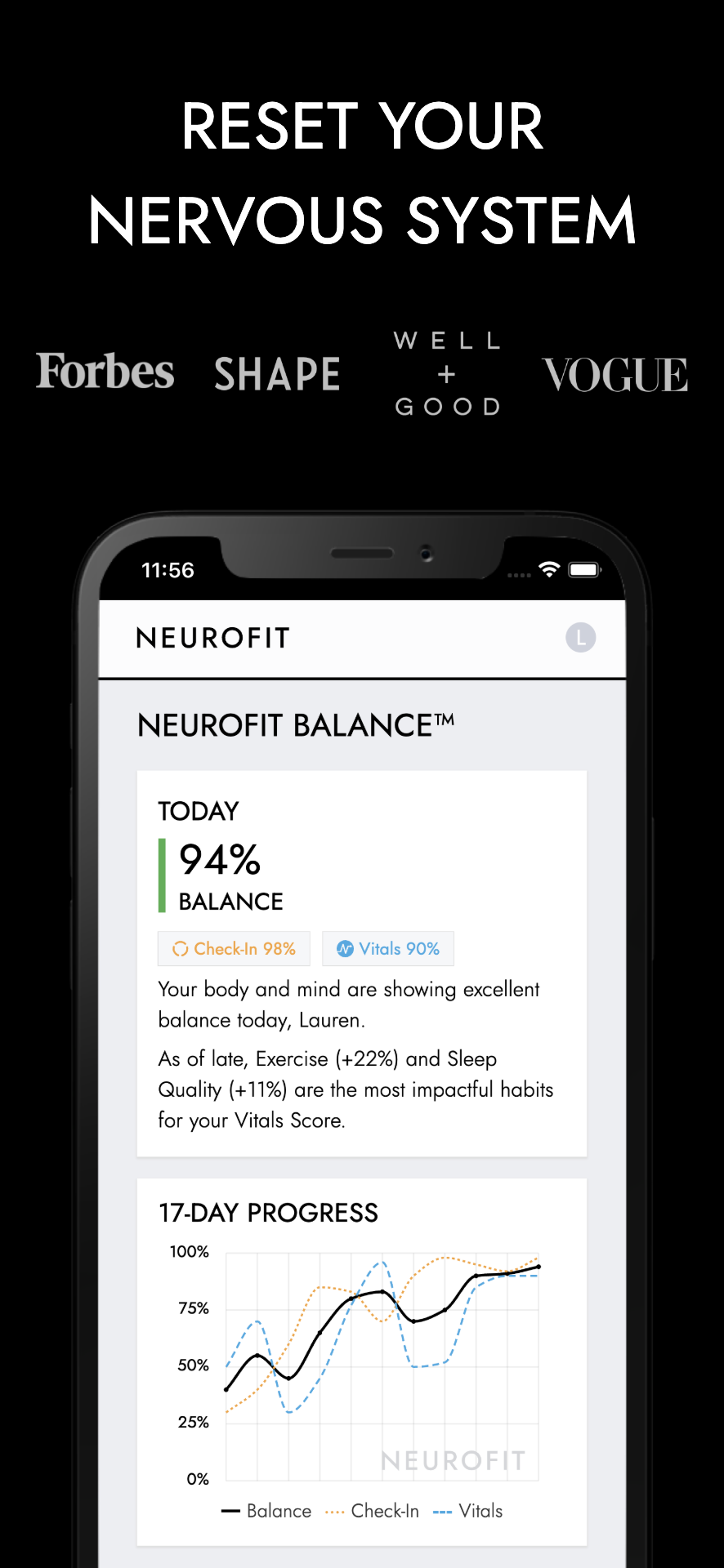
NEUROFIT is a research-based nervous system regulation + somatic exercises app. On average, active members report 54% less stress after just 1 week. iOS + Android.
AI Electronics leverages advanced AI technology to diagnose, repair, and improve the reliability of PCBs across industries, saving time, reducing costs, and driving efficiency.
Run a free AEO + signal audit for your domain.
AI Answer Engine Optimization (AEO)
List once. Convert intent from live AI conversations without heavy integration.
Stress reduction techniques are a set of evidence-based practices designed to mitigate the physiological and psychological impacts of workplace stress. These methods encompass mindfulness, cognitive-behavioral strategies, and biofeedback to improve mental resilience. For organizations, they enhance employee well-being, reduce absenteeism, and boost overall productivity.
A provider conducts a thorough analysis to identify the primary sources and manifestations of stress within your workforce.
Specialists design and deploy customized interventions, such as mindfulness training or ergonomic assessments, based on the initial analysis.
The effectiveness of the techniques is continuously measured using metrics like engagement and absenteeism rates to ensure lasting impact.
Investment banks implement resilience training and on-demand coaching to help traders manage market volatility and prevent burnout.
Hospitals adopt mindfulness-based stress reduction (MBSR) programs to support nursing staff, improving retention and patient care quality.
Rapidly growing SaaS companies use structured workshops and flexible wellness benefits to maintain culture and focus during hyper-growth phases.
Distributed companies leverage digital wellness platforms and virtual therapy sessions to combat isolation and maintain team cohesion.
Factories introduce fatigue management and stress awareness programs to reduce errors and accidents linked to mental fatigue.
Bilarna evaluates every stress management provider using a proprietary 57-point AI Trust Score. This score rigorously assesses their methodology, client satisfaction history, facilitator certifications, and program outcome data. We continuously monitor providers to ensure they meet our standards for expertise and reliability, giving you confidence in your selection.
Evidence shows cognitive-behavioral therapy (CBT), mindfulness-based stress reduction (MBSR), and structured physical activity programs are highly effective. The best technique depends on your workforce's specific stressors, culture, and readiness for change, necessitating a tailored assessment.
Costs vary widely from $50 to $500 per employee annually, depending on program depth, provider expertise, and delivery format (e.g., digital vs. in-person). Factors like customization level, measurement tools, and facilitator credentials significantly influence the final investment.
Initial engagement and awareness improvements can be seen within 4-6 weeks. Measurable outcomes, such as reduced absenteeism or higher productivity scores, typically require a sustained program of 3 to 6 months to become statistically significant and durable.
General wellness programs offer broad resources like gym memberships, while clinical stress reduction involves evidence-based techniques delivered by certified professionals. The latter is targeted, measurable, and designed to address specific stress pathologies with defined therapeutic outcomes.
Common pitfalls include a one-size-fits-all approach, lack of leadership buy-in, and failing to measure ROI. Successful implementation requires stakeholder alignment, personalized options, and clear metrics tying well-being improvements to business performance indicators.
Innovations in jet propulsion are playing a crucial role in reducing the costs associated with aerospace travel. By developing more efficient engines that consume less fuel and require less maintenance, manufacturers can lower operational expenses. Advances in materials and manufacturing techniques also contribute to lighter and more durable components, which improve fuel efficiency and reduce wear and tear. Additionally, integrating new propulsion technologies for subsonic, supersonic, and hypersonic speeds allows for optimized performance tailored to specific flight regimes, further enhancing cost-effectiveness. These improvements collectively make aerospace travel more accessible and affordable.
A CPA firm relieves financial stress for small business owners by providing expert handling of tax compliance, accurate bookkeeping, and strategic financial planning. This ensures that business finances are managed efficiently, minimizing errors and legal risks. Key benefits include meticulous income and expense tracking to maintain cash flow clarity, proactive tax strategies to reduce liabilities, and timely filing to avoid penalties. Additionally, CPAs offer advisory on budgeting, growth investments, and audit support, which enhances credibility with lenders and investors. By outsourcing these complex tasks, owners gain peace of mind, save time on administrative work, and can focus on core operations, leading to improved decision-making and sustainable business growth.
Agribusinesses can plan effective emissions reduction strategies by: 1. Building multiple reduction scenarios using scientifically and practically proven strategies. 2. Understanding both the environmental and economic impacts of each scenario. 3. Accessing sector-specific climate actions tailored to industries like dairy, beef, wine, olive oil, and swine. 4. Ensuring compliance by aligning strategies with the world’s most trusted emissions frameworks. 5. Continuously monitoring results and adjusting plans to optimize reductions and meet net-zero targets.
Use AI to support mental health by providing a private, judgment-free space for expression. Steps: 1. Access the AI platform designed for mental health support. 2. Share your feelings related to stress or anxiety openly. 3. Receive immediate empathetic responses and coping strategies. 4. Use the AI regularly to build long-term emotional resilience. 5. Track your progress and adjust your goals with AI assistance.
AI-based study tools help reduce stress and improve motivation by organizing scattered study materials into a structured learning path. They use advanced AI models combined with proven learning techniques to enhance understanding, memory, and exam performance. These tools provide personalized summaries, exercises, and practice questions that encourage active learning, which boosts confidence and reduces anxiety. Additionally, features like timed exam simulations prepare students for real test conditions, helping them feel more calm and capable before exams.
Artificial intelligence (AI) can significantly enhance gene delivery techniques by analyzing large datasets to identify optimal delivery vectors and target cells. AI algorithms can predict how different delivery methods interact with various cell types, improving targeting accuracy and reducing off-target effects. Additionally, AI can assist in designing novel delivery systems that adapt dynamically to biological environments, increasing efficiency and safety. By integrating AI, researchers can accelerate the development of personalized gene therapies tailored to individual patient needs, ultimately improving treatment outcomes and expanding the potential applications of gene delivery technologies.
Automated accounting software reduces stress for small business owners by streamlining financial tasks such as invoicing, tax declarations, and bank reconciliation. It minimizes manual data entry and errors by automatically updating transactions and generating accurate reports in real time. This allows entrepreneurs to focus more on growing their business rather than managing complex bookkeeping processes. Additionally, quick access to up-to-date financial information helps in making informed decisions and ensures compliance with tax authorities, further reducing anxiety related to financial management.
Breathing techniques, such as the 4-7-8 method, can significantly improve sleep quality by promoting relaxation and reducing stress. This technique involves inhaling quietly through the nose for 4 seconds, holding the breath for 7 seconds, and exhaling forcefully through the mouth for 8 seconds. It helps calm the nervous system, lowers heart rate, and eases the mind, making it easier to fall asleep. Regular practice of such breathing exercises can enhance overall sleep patterns and reduce insomnia symptoms.
Attend massage workshops designed to teach practical tips and new techniques for couples. 1. Register for a workshop that focuses on partner massage skills and hand care. 2. Learn varied massage strokes and methods to avoid repetitive strain and enhance effectiveness. 3. Practice guided exercises to improve hand strength and comfort during massage. 4. Gain insights into creating intimate and relaxing moments through touch. 5. Apply learned techniques at home to make every massage a special shared experience.
Use evidence-based writing techniques to improve the reach of your research by following these steps: 1. Present your findings clearly and logically to enhance understanding. 2. Use data and examples to support your claims and increase credibility. 3. Write in a concise and accessible style to engage a broader audience. 4. Address potential questions or objections within your text. 5. Structure your paper with clear headings and summaries for easy navigation. 6. Revise your work based on feedback to ensure clarity and impact.