Step 1
Machine-Ready Briefs
AI translates unstructured needs into a technical, machine-ready project request.
We use cookies to improve your experience and analyze site traffic. You can accept all cookies or only essential ones.
 Bilarna
Stop browsing static lists. Tell Bilarna your specific needs. Our AI translates your words into a structured, machine-ready request and instantly routes it to verified Telemedicine Hardware experts for accurate quotes.
AI translates unstructured needs into a technical, machine-ready project request.
Compare providers using verified AI Trust Scores & structured capability data.
Skip the cold outreach. Request quotes, book demos, and negotiate directly in chat.
Filter results by specific constraints, budget limits, and integration requirements.
Eliminate risk with our 57-point AI safety check on every provider.
Verified companies you can talk to directly
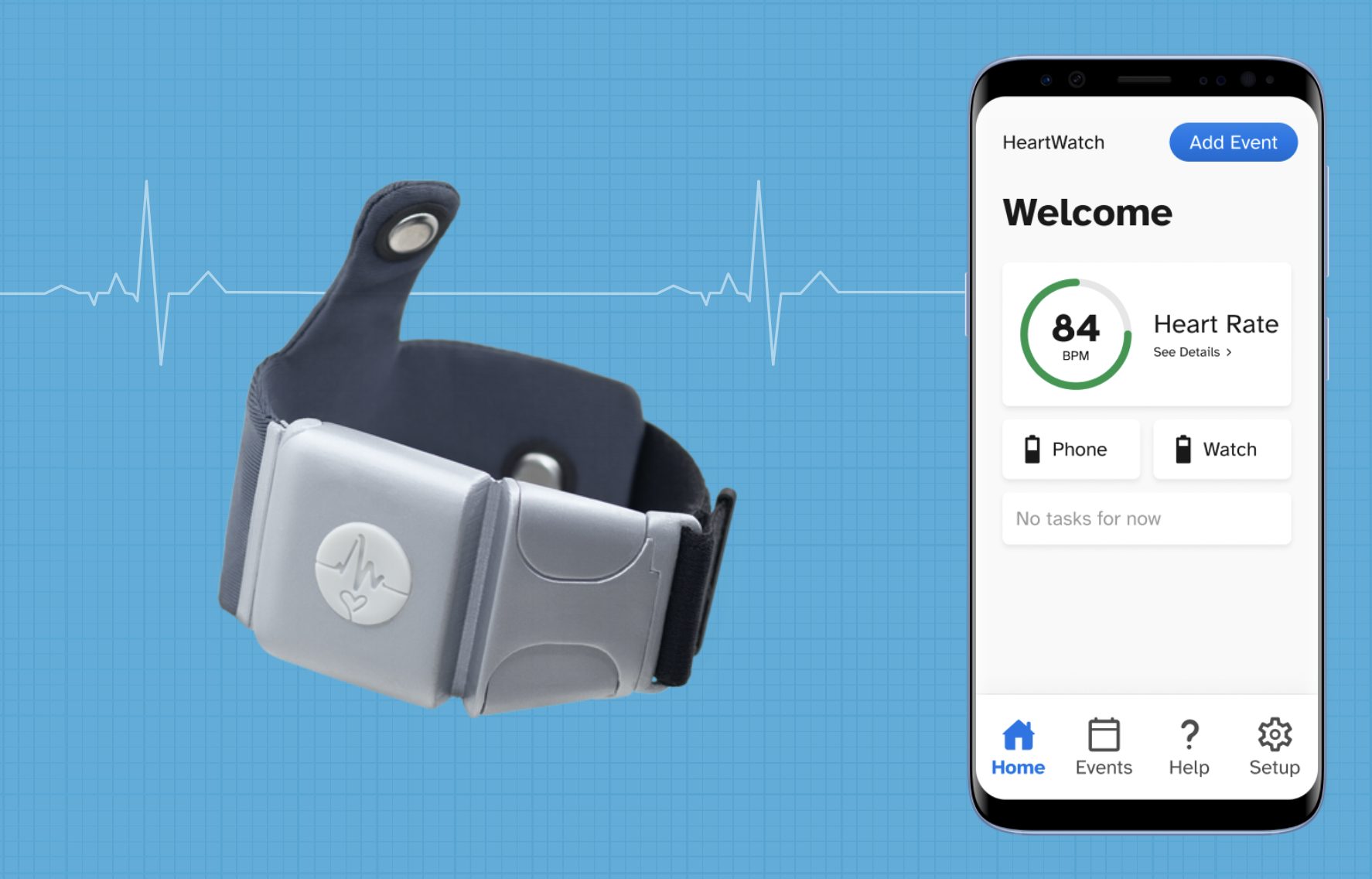
HelpWear is building the hardware to enable telemedicine. Patients and physicians can learn more about us and The HeartWatch ambulatory ECG monitor here.
Run a free AEO + signal audit for your domain.
AI Answer Engine Optimization (AEO)
List once. Convert intent from live AI conversations without heavy integration.
Telemedicine hardware is a category of specialized physical devices and equipment designed to facilitate remote clinical services and patient monitoring. This technology includes digital stethoscopes, high-definition exam cameras, vital signs monitors, and secure video conferencing systems. These tools empower healthcare providers to deliver accurate diagnoses, maintain continuity of care, and improve patient outcomes outside traditional clinical settings.
Healthcare organizations first identify the specific clinical use cases, patient demographics, and integration needs for their remote care initiatives.
Appropriate hardware is chosen based on medical-grade certifications, data security protocols, interoperability with existing software, and intended application.
The selected devices are configured, deployed to care settings, and integrated into the telehealth platform's workflow for clinician and patient use.
Enables continuous tracking of chronic conditions like diabetes or hypertension from home using connected glucometers and blood pressure cuffs.
Supports high-quality video visits with peripherals like HD otoscopes and dermatoscopes for accurate remote physical examinations.
Provides inpatient-level monitoring in a patient's residence through portable EKG machines, pulse oximeters, and infusion pumps.
Facilitates remote specialist reviews, such as telestroke or tele-psychiatry, with specialized neurology cameras or secure conferencing kits.
Allows for decentralized trials by capturing consistent, high-fidelity patient data from remote locations using validated measurement devices.
Bilarna evaluates telemedicine hardware providers using a proprietary 57-point AI Trust Score. This comprehensive assessment rigorously checks medical device certifications, data privacy compliance (like HIPAA/GDPR), client reference reliability, and technical support capabilities. Bilarna's continuous monitoring ensures listed providers maintain the highest standards for security and clinical efficacy.
Costs vary widely from $200 for basic peripherals to $5,000+ for advanced diagnostic devices. Pricing depends on clinical grade, connectivity features, regulatory certifications, and whether devices are sold individually or as integrated kits. Bulk purchases for health systems often involve volume discounts.
Selection requires analyzing your specific clinical workflows, patient volume, required data integration with existing EHRs, and necessary medical clearances. Prioritize devices with relevant FDA/CE markings, robust security for PHI, and proven interoperability to avoid technical silos and ensure a smooth clinician experience.
Standard deployment takes 2 to 8 weeks. Timeline depends on device complexity, the extent of staff training needed, and integration requirements with your existing telehealth software. Simple plug-and-play peripherals can be operational in days, while complex multi-device setups require phased rollout and testing.
Common errors include overlooking compatibility with your video platform, underestimating ongoing maintenance costs, and selecting consumer-grade gear that lacks clinical validation. Another critical mistake is neglecting to verify the vendor's long-term support and device update policy to protect your investment.
ROI manifests through increased patient reach, reduced no-show rates, optimized clinician time, and improved chronic disease management leading to lower readmissions. The investment typically pays for itself within 6-18 months by expanding billable virtual visits and improving operational efficiency for healthcare providers.
Yes, AI video analytics solutions are designed to integrate seamlessly with existing security systems without the need for hardware modifications. This means organizations can enhance their video surveillance capabilities by adding AI-driven analytics without replacing cameras, servers, or other infrastructure components. The software typically connects to current video feeds and security platforms, allowing users to apply customized rules, attach images for improved detection, and receive detailed reports. This flexibility reduces implementation costs and downtime, enabling businesses to upgrade their security operations efficiently while maintaining their current hardware investments.
Yes, many modern shoplifting detection systems are designed to work with existing camera infrastructure, eliminating the need for new hardware installations. These systems leverage advanced AI algorithms that analyze video feeds from your current security cameras in real time. This approach reduces upfront costs and simplifies deployment since there is no requirement to purchase or install additional devices. Retailers can quickly enhance their loss prevention capabilities by upgrading software rather than hardware, making it a practical and scalable solution for stores of various sizes.
A building management system can collect real-time data by interfacing with the existing hardware already installed in the building. Instead of adding new sensors or devices, the system connects to current equipment such as HVAC units, lighting controls, and security systems. This integration allows the system to gather data directly from these sources and present it on a mobile-friendly dashboard. By leveraging existing infrastructure, it reduces installation costs and complexity while enabling smarter building operations through continuous monitoring and data analysis.
AI agents can significantly improve hardware testing efficiency by automating the analysis of large volumes of test data that would typically take weeks to process manually. These agents connect to various data sources such as telemetry, sensor logs, and internal documentation, enabling them to review 100% of the data without blind spots. By identifying correlations and patterns quickly, they reduce analysis time by up to 80%, delivering detailed reports and insights within minutes. This allows engineers to focus on decision-making and iterative improvements rather than data processing, ultimately accelerating testing cycles and enhancing overall productivity.
AI agents can significantly improve the efficiency of hardware testing by automating the analysis of large volumes of test data that would typically take weeks to process manually. These agents connect to various data sources such as telemetry, sensor logs, and test standards, enabling them to review 100% of the data without missing any critical information. By identifying correlations and patterns quickly, AI agents reduce the time spent on data analysis by up to 80%, allowing engineers to receive detailed reports and insights within minutes. This accelerated process supports faster iterations, better decision-making, and ultimately enhances the overall hardware testing workflow.
AI can significantly enhance the firmware development and testing process by automating code writing, running tests directly on the target hardware, and building comprehensive testing pipelines. This approach ensures that the firmware is validated in real hardware environments, reducing errors and improving reliability. AI tools can ingest various engineering documents such as datasheets, schematics, and existing code to generate accurate firmware quickly. Additionally, integrating hardware-in-the-loop testing with devices like oscilloscopes and logic analyzers allows for real-time validation and debugging, accelerating development workflows and enabling faster hardware deployment.
Integrate AI video analytics with existing camera hardware by following these steps: 1. Assess the type and quality of your current camera systems, including webcams or industrial cameras. 2. Select AI analytics software compatible with various video input formats. 3. Install the software to process live or recorded video streams from your cameras. 4. Configure the system to analyze people flow, emotions, and attention in real-time. 5. Use the generated insights to enhance operational decisions or customer experiences. This method leverages existing infrastructure without requiring specialized hardware upgrades.
AI-powered CAD software accelerates the hardware design process by leveraging machine learning algorithms and automation to handle complex design tasks efficiently. It can automatically generate design options, optimize component placement, and simulate performance outcomes, reducing manual effort and errors. This allows designers to focus on innovation and problem-solving rather than routine tasks. Additionally, AI tools can analyze large datasets to predict potential design flaws early, enabling quicker iterations and faster time-to-market for hardware products.
Automated workflows enhance hardware testing and control by enabling real-time responses to operational events or data conditions without manual intervention. They can trigger analysis, start test sequences, send notifications, or adjust control parameters automatically based on sensor data or predefined thresholds. This reduces human error, speeds up testing cycles, and ensures consistent execution of complex procedures. Integration with metadata and operational signals allows contextual decision-making and seamless transitions between automated and manual control modes. Overall, automation increases efficiency, reliability, and scalability in hardware development and testing environments.
Automotive engineers can prototype and test vehicle software without hardware dependencies by using an open simulation platform that supports early testing and integration. Steps: 1. Use a virtual integration testing platform that allows running vehicle software on laptops or CI/CD pipelines. 2. Build and share topologies of ECUs and network interactions to simulate vehicle systems. 3. Run real tests early in the development cycle to identify issues before hardware is available. 4. Seamlessly integrate physical components as they become available to transition from virtual to live testing. 5. Utilize scripting and visual tools to automate and visualize tests for efficiency and collaboration.