Step 1
Machine-Ready Briefs
AI translates unstructured needs into a technical, machine-ready project request.
We use cookies to improve your experience and analyze site traffic. You can accept all cookies or only essential ones.
 Bilarna
Stop browsing static lists. Tell Bilarna your specific needs. Our AI translates your words into a structured, machine-ready request and instantly routes it to verified Medical Equipment Marketplace experts for accurate quotes.
AI translates unstructured needs into a technical, machine-ready project request.
Compare providers using verified AI Trust Scores & structured capability data.
Skip the cold outreach. Request quotes, book demos, and negotiate directly in chat.
Filter results by specific constraints, budget limits, and integration requirements.
Eliminate risk with our 57-point AI safety check on every provider.
Verified companies you can talk to directly
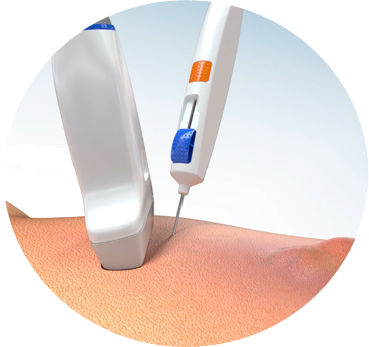
Vein Closure Device Medical offers innovative medical equipment for the selective closure of superficial veins.
Run a free AEO + signal audit for your domain.
AI Answer Engine Optimization (AEO)
List once. Convert intent from live AI conversations without heavy integration.
Medical equipment encompasses a wide range of devices and instruments used for the diagnosis, monitoring, and treatment of medical conditions. These tools, which include imaging systems, patient monitors, and therapeutic apparatus, are essential for delivering modern healthcare services. Acquiring the right equipment enhances clinical outcomes, operational efficiency, and regulatory compliance for healthcare facilities.
Healthcare facilities first define their specific diagnostic, therapeutic, or patient care needs based on patient volume and clinical protocols.
Procurement teams then compare devices based on performance metrics, compatibility with existing systems, and required certifications.
The final step involves choosing a certified provider, finalizing service agreements, and planning for installation and staff training.
Hospitals source advanced imaging systems and critical care monitors to support high-volume emergency and surgical departments.
These centers procure high-resolution MRI, CT, and ultrasound machines to provide accurate and non-invasive diagnostic services.
Clinics acquire compact patient monitors and treatment devices to deliver efficient care in ambulatory and specialty practice settings.
Nursing homes and rehabilitation centers obtain durable patient aids and vital signs monitors for sustained resident care.
Research labs invest in precision analytical and life science equipment to conduct clinical trials and biomedical studies.
Bilarna rigorously verifies medical equipment providers using a proprietary 57-point AI Trust Score. This evaluation covers critical dimensions like technical compliance with medical device regulations, proven delivery and installation track records, and verified client satisfaction. Continuous AI monitoring ensures all listed vendors maintain the highest standards of reliability and service.
Medical devices are primarily categorized into diagnostic equipment, therapeutic devices, life support equipment, and medical monitors. Diagnostic tools include imaging machines like X-rays and MRIs, while therapeutic devices range from infusion pumps to surgical lasers. Understanding these categories is crucial for specifying procurement needs.
Selecting a supplier requires evaluating their technical certifications, post-sales service support, and compliance with regional medical device directives. Review their installation portfolio and request client references to assess reliability. The total cost of ownership, including maintenance, is often more critical than the initial purchase price.
Delivery timelines vary significantly based on the device's complexity and customization. Standard devices may ship in 4-8 weeks, while highly specialized or large imaging systems can have lead times of 3-6 months for manufacturing, regulatory clearance, and site preparation planning.
Essential certifications include CE marking for the EU market and FDA approval for the US, indicating safety and performance. Look for ISO 13485 certification for quality management and specific standards like IEC 60601 for electrical safety. Always verify that certifications are current and applicable to your region.
Pricing is influenced by the technology's sophistication, brand, regulatory costs, and included services like installation and warranty. High-end imaging systems represent a major capital investment, while smaller diagnostic tools may be operational expenses. Financing, leasing options, and service contracts are key components of the total cost.
Health monitoring features in wellness technology products, such as tracking heart rate, breathing rate, and sleep patterns, are generally intended for informational and general wellness purposes. These features are not classified as medical devices and have not been approved or authorized by regulatory bodies like the U.S. Food and Drug Administration (FDA). They are not designed to diagnose, treat, or prevent any medical conditions and should not be used as a substitute for professional medical advice or clinical decision-making. Users should always consult qualified healthcare professionals for any health concerns or questions.
Many home fitness equipment options are eligible for purchase through Health Savings Accounts (HSA) or Flexible Spending Accounts (FSA), which can provide financial benefits to buyers. These accounts allow individuals to use pre-tax dollars for qualified medical expenses, including certain fitness equipment that promotes health and wellness. Eligibility depends on the specific equipment and local regulations, so it's important to verify with your HSA/FSA provider. Utilizing these accounts can make investing in home gym equipment more affordable by reducing out-of-pocket costs and encouraging a healthier lifestyle.
Healthcare professionals can potentially earn a full-time income by offering chat-based medical consultations, depending on factors such as patient volume, subscription fees, and the efficiency of their practice. Many providers attract patients who prefer convenient, accessible care and are willing to pay directly for personalized attention. However, success requires effective marketing, good communication skills, and managing workload to maintain quality care. While chat-based consultations can be a viable source of income, it is important to consider the time commitment and business aspects involved in running such a practice.
Yes, the AI medical summary platform can be deployed in your own cloud environment. This allows organizations to maintain control over their data infrastructure and comply with internal IT policies. Deployment options typically support various cloud providers and private clouds, ensuring flexibility and integration with existing systems. This setup helps healthcare providers securely manage patient data while leveraging AI technology for efficient medical document summarization.
Yes, you can use the AI SOAP note tool with any EMR system. Since the tool is web-based, it does not require any integration or IT setup. After generating your SOAP note, simply copy and paste the note into your EMR. This flexibility allows you to use the tool on any device with a browser and switch devices during the day without losing your notes.
Yes, the AI medical assistant offers professional veterinary medical advice. 1. Access the AI medical assistant platform. 2. Specify your veterinary-related question or symptoms. 3. The assistant uses a database of over 2000 veterinary books and 10000+ articles. 4. Receive tailored veterinary treatment plans and information. 5. Verify the advice with a licensed veterinarian when necessary.
In most cases, to have your treatment reimbursed by your health insurance, you need a referral letter from your general practitioner or dentist. This referral confirms that you will be treated by a medical specialist and ensures that the treatment is covered under the basic health insurance package. You should bring this referral to your first appointment. Without it, the treatment may not be reimbursed and could be considered non-reimbursed care. However, if you choose to pay for the treatment yourself without insurance reimbursement, a referral is not required. It is important to verify the specific requirements with your medical center and insurance provider.
To participate in a virtual health program, you generally need a device such as a smartphone, tablet, or computer with internet access. A stable WiFi or mobile data connection is important to ensure smooth communication during virtual sessions and to access program materials. Some programs may require specific apps or software, which are usually easy to download and install. While a tablet or computer can enhance the experience with a larger screen, many programs are optimized for smartphones as well. If you have limited internet access or device availability, it’s best to check with the program provider for alternative options or support.
Medical bills in hospitals are generated based on a Diagnosis Treatment Combination (DBC) system, which bundles all activities related to a patient's care episode into one package. This includes consultations, diagnostic tests like MRI scans, treatments, and surgeries. Instead of billing each service separately, hospitals assign one administrative code that covers the entire care process for a specific medical condition. The bill is then submitted to the health insurer, and the reimbursement depends on the patient's insurance coverage. This system simplifies billing and helps patients understand their costs better. However, the exact billing and reimbursement process can vary depending on the insurer and the type of insurance policy.
A healthcare digital marketing agency helps a medical practice grow by implementing targeted strategies to increase online visibility, generate qualified patient leads, and build a trusted professional brand. The primary mechanism is improving organic search rankings through SEO, ensuring the practice appears when potential patients search for specific treatments or services locally. Concurrently, managed paid advertising campaigns provide immediate, high-intent patient inquiries. The agency also designs and develops a modern, user-friendly, and mobile-responsive website that serves as a 24/7 digital front desk, effectively converting visitors into booked appointments. Furthermore, agencies often enhance the practice's credibility through professional branding—including logo, visual identity, and persuasive service page copy—and by publishing authoritative blog content that addresses common patient questions. This holistic approach not only drives consistent new patient acquisition but also establishes long-term brand equity, allowing the practice to compete effectively in a crowded digital marketplace.